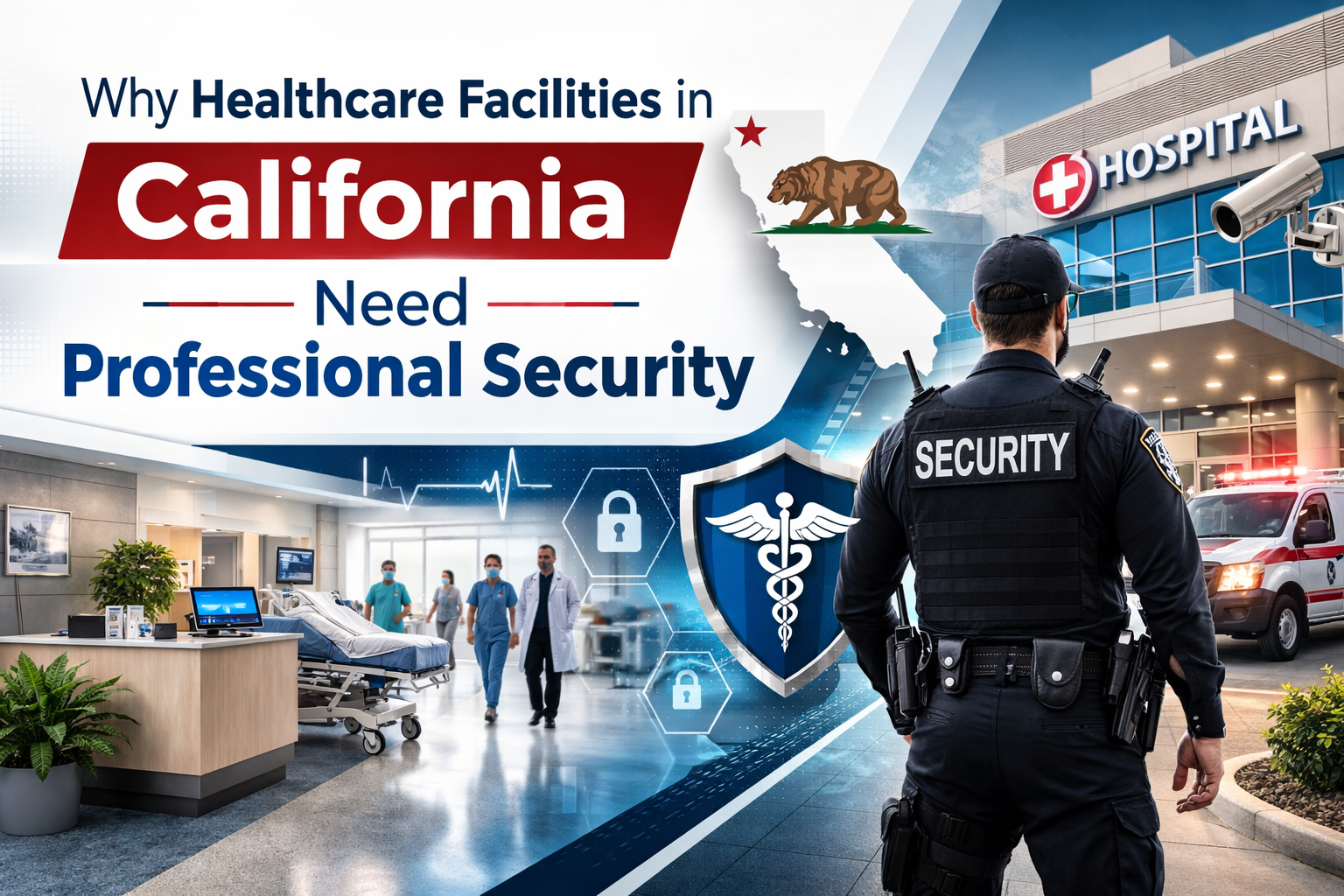
Why Healthcare Facilities in California Need Professional Security

professional-healthcare-security-services-california

In 2023, California healthcare organizations reported a noticeable rise in workplace violence, with hospital staff facing far higher assault risks than most other professions. Several major facilities also dealt with malicious software attacks that exposed thousands of patient records. These incidents are not distant headlines. They affect real doctors, nurses, patients, and families every day.

Healthcare facilities operate under constant pressure as they serve large communities, protect sensitive information, store controlled medications, and remain open around the clock. That reality creates serious challenges.

Professional protection is no longer a luxury; it is a necessity. Trusted healthcare security services in California must handle violence, privacy risks, and compliance challenges to protect healthcare facilities.

California’s Unique Security Challenges for Healthcare

California presents a different kind of security challenge for healthcare facilities. Hospitals often operate in busy urban areas with constant public access. Foot traffic never truly stops. Facilities must stay open and welcoming while also protecting patients and sensitive areas. That balance is not easy.

The state also has strict privacy laws and detailed workplace safety requirements. Healthcare leaders must think about compliance just as much as physical safety. On top of that, California faces environmental risks like wildfires and earthquakes, which can disturb operations without warning.

Security planning here cannot be basic or generic. It must reflect local conditions, public exposure, and state regulations that shape how healthcare facilities operate every day.

Key Threats Demanding Professional Security

Healthcare facilities face both digital and physical risks. Each threat requires structured response protocols.

Cyber Threats and Data Breaches

Hospitals store sensitive patient data protected under federal and state privacy laws. Cybercriminals target medical institutions because patient data carries high black-market value. California healthcare systems have experienced ransomware attacks that interrupted operations for days.

Security extends beyond doors and gates. Physical access control prevents unauthorized individuals from reaching servers or restricted IT rooms. Professional medical facility security teams in California coordinate with IT departments to limit physical risks.

Physical Violence and Active Threats

Aggressive behavior remains a serious concern as emotional stress escalates quickly inside emergency rooms. Mental health crises can turn volatile. Law enforcement agencies continue to warn of potential active shooter threats nationwide.

Trained security guards use conflict resolution techniques first. They monitor behavioral warning signs and respond immediately when threats intensify.

Industry studies indicate a significant rise in reported assaults in healthcare settings over the past several years. Professional presence helps prevent conflict before it worsens.

Theft, Vandalism, and Drug Diversion

Opioid diversion remains a major issue. Controlled medications require strict tracking and restricted access. Without strong private security for healthcare facilities, insider theft becomes easier. Portable medical equipment also presents an opportunity for theft. Night shifts increase risk.

Insider Threats

Not every threat comes from outside. Unhappy employees or unauthorized staff access can create safety breaches. Professional security services include access badge monitoring and documented incident reporting.

California Regulations That Make Security Essential

California does not treat healthcare security as optional. The state enforces strict laws that focus on patient privacy and workplace safety. Healthcare administrators must meet both federal and state requirements. Failing to comply can result in heavy penalties, lawsuits, and reputational damage. Professional security plays a direct role in helping facilities meet these legal standards.

HIPAA and CMIA Compliance

The Health Insurance Portability and Accountability Act (HIPAA) is a federal law that protects sensitive patient health information across the United States. California goes even further with the Confidentiality of Medical Information Act (CMIA), which adds stricter state-level privacy protections.

These laws do not only apply to digital systems but also to physical access. Unauthorized individuals entering records rooms, server areas, or restricted treatment zones can create violations. Professional security teams help control entry points, monitor restricted areas, and maintain visitor management systems. Strong physical security supports privacy compliance.

Cal/OSHA Workplace Violence Requirements

The California Division of Occupational Safety and Health (Cal/OSHA) requires healthcare facilities to implement workplace violence prevention programs. Hospitals must identify potential hazards, document safety procedures, and provide employee training. Facilities must also maintain clear reporting systems for incidents.

Trained security guard teams in California hospitals help enforce these programs. They respond to aggressive behavior, document incidents accurately, and coordinate with management when safety risks arise. Their presence supports both prevention and compliance.

Senate Bill 81 (SB 81) and Patient Access Protections

Senate Bill 81 strengthens protections for immigrants seeking healthcare in California. It limits immigration enforcement access to non-public areas of healthcare facilities without a valid judicial warrant and restricts the sharing of confidential patient information, including immigration status. The law focuses on protecting privacy and ensuring patients feel safe seeking care.

Professional security providers help facilities follow these rules by managing access points, reviewing documentation when needed, and maintaining orderly operations. Their role supports patient privacy while ensuring the facility remains compliant with state law.

Benefits of Professional Security Services

Healthcare administrators often ask a simple question. Is professional security worth the investment? The answer becomes clear when reviewing operational outcomes.

24/7 Trained Protection

Professional security employs trained officers around the clock. They specialize in de-escalation, patient interaction, and emergency response. In-house staff cannot match this level of specialization without extensive training investment.

Technology Integration

Modern medical facility security solutions in California combine CCTV monitoring, controlled badge access, visitor management systems, and coordinated alarm response. These integrated systems strengthen access control, improve oversight, and support compliance with California privacy and safety regulations.

Measurable Risk Reduction

Security industry research indicates that structured violence prevention programs reduce incidents significantly. Professional guard presence avoids aggression and clear protocols reduce response time.

Financial Savings

Professional security reduces incidents, which lowers legal costs, insurance premiums, and theft losses. Facilities often see measurable returns through reduced drug diversion, fewer vandalism cases, better staff retention, and stronger patient satisfaction scores.

Peace of Mind

Security presence reassures patients and families. It protects frontline healthcare workers and strengthens public trust. Imagine a busy Los Angeles emergency room. A trained team of security guards monitors entrances, manages visitor flow, and intervenes early when tension rises. Staff focus on care instead of safety concerns. That peace of mind carries real value.

How to Choose the Right Security Partner in California

Selecting a provider requires careful assessment.

Look for:

  • Active BSIS licensing
  • Experience in healthcare environments
  • Familiarity with HIPAA and California privacy laws
  • Local operational presence
  • Custom security planning

Avoid providers offering generic commercial guard services without healthcare specialization. Professional private security for healthcare facilities must align with your operational goals, not just stand at entrances.

Frequently Asked Questions

1. How often should healthcare facilities conduct security risk assessments in California?
Healthcare facilities should conduct formal security risk assessments at least annually, with additional reviews after major incidents, renovations, regulatory updates, or changes in patient volume. Regular assessments help identify new weaknesses before they become serious risks.

2. Do smaller clinics need professional healthcare security services in California?
Yes. Small clinics, urgent care centers, and specialty practices face many of the same risks as large hospitals, including workplace violence, theft, and privacy exposure. Security solutions can be scaled based on size, patient traffic, and location.

3. What training should hospital security officers receive for healthcare environments?
Healthcare security officers should receive de-escalation training, crisis intervention skills, emergency response coordination, and patient-sensitive communication training. They must understand medical settings and respond calmly in high-stress situations.

4. Can professional security improve staff morale in healthcare facilities?
Yes. When healthcare workers feel safe at work, job satisfaction improves. A visible and responsive security presence reduces stress, lowers burnout related to safety concerns, and helps retain skilled medical professionals.

5. How quickly can a healthcare security plan be implemented in California?
Implementation timelines depend on facility size and complexity. Smaller clinics may deploy security services within days, while large hospitals may require phased rollouts that include staffing, training, and system integration over several weeks.

Conclusion

Healthcare facilities across California face rising violence, strict compliance mandates, and growing operational risks. Delaying action only increases exposure. Professional protection strengthens safety, supports regulatory alignment, and safeguards both staff and patients.

Trusted healthcare security services providers in California help prevent incidents and maintain a secure care environment. Strong security planning is not just about protection but about preserving trust and operational stability.

If your healthcare facility needs trusted protection, FalconX Security Services can deliver a customized assessment and practical strategy.

Emergency Response Planning: How FalconX Security Prepares for the Unexpected

In a world where the unexpected is the only certainty, businesses, organizations, and government agencies must be prepared to react swiftly and effectively to emergencies. Whether it’s a natural disaster, a cyberattack, a physical security breach, or a pandemic, the ability to respond quickly and decisively is crucial. This is where emergency response planning (ERP) becomes invaluable, ensuring that all potential scenarios are anticipated, prepared for, and managed in a way that minimizes damage and maximizes the protection of assets, people, and reputation.

FalconX Security, a leading provider of security services, understands the critical importance of emergency response planning and has developed a comprehensive, adaptive strategy that prepares its clients for every potential threat. This detailed content will explore FalconX Security’s approach to emergency response planning, shedding light on the key components of their strategy, and how they integrate advanced technology, personnel training, and continuous improvement into their planning.

1. Comprehensive Risk Assessment

The foundation of any emergency response plan is a thorough risk assessment. FalconX Security begins its process by conducting a detailed analysis of the specific risks and threats that an organization might face. This includes:

  • Natural Disasters: Earthquakes, floods, hurricanes, wildfires, and other extreme weather events that could disrupt normal operations.
  • Cybersecurity Threats: Ransomware attacks, data breaches, and network infiltration that could compromise sensitive information.
  • Active Shooter or Physical Security Threats: Situations involving violent intruders or active shooters, and the steps necessary to contain and neutralize the threat.
  • Pandemics and Health Crises: Evaluating the potential impacts of viral outbreaks, such as COVID-19, and preparing protocols for quarantines, health screenings, and medical responses.
  • Supply Chain Disruptions: Identifying vulnerabilities in the supply chain that could impact operations during an emergency.

FalconX’s team of security experts collaborates with clients to create a customized risk profile, evaluating the likelihood and potential impact of various emergencies. This step ensures that all possible scenarios are considered and that emergency response plans are tailored to address specific needs.

2. Emergency Response Planning Framework

Once the risk assessment is complete, FalconX Security moves to the development of an actionable emergency response plan. This plan is designed to provide a structured, step-by-step approach to handling each identified threat. The core framework includes the following elements:

a. Incident Command Structure (ICS)

An effective ERP depends on clear lines of authority and accountability. FalconX Security implements the Incident Command System (ICS), a standardized approach to managing emergency response efforts. The ICS ensures that during an emergency, decision-making is streamlined, roles are well-defined, and resources are deployed efficiently.

b. Clear Communication Protocols

Communication is critical during any emergency. FalconX Security establishes multiple layers of communication, both internally within an organization and externally with relevant stakeholders (e.g., local authorities, first responders, and media). This includes:

  • Emergency Hotlines: Dedicated lines for emergency communication.
  • Alert Systems: Automated notifications for employees, clients, and relevant parties.
  • Chain of Command: A clear communication hierarchy to avoid confusion during chaotic situations.

c. Evacuation and Shelter Plans

For physical threats such as natural disasters or security breaches, FalconX Security ensures that evacuation routes, shelter locations, and safe zones are identified in advance. Their plans include regular evacuation drills and simulations to ensure that everyone knows their role during an emergency.

d. Resource Management

Emergency response requires access to critical resources such as medical supplies, security personnel, backup power, and data backups. FalconX Security helps organizations identify and secure these resources, ensuring they’re readily available when needed most.

e. Business Continuity and Recovery

In addition to managing immediate threats, FalconX’s ERP plans include business continuity strategies to minimize downtime. These plans focus on quickly resuming critical business functions after an emergency. They include:

  • Data Recovery: Cloud-based backups and disaster recovery plans for business-critical data.
  • Redundancy Systems: Backup power supplies and alternative communication methods.
  • Remote Work Capabilities: Ensuring employees can work from home or remote locations if office spaces are compromised.

3. Training and Drills

Planning is only effective if it’s supported by preparation. FalconX Security recognizes the importance of training and simulations to ensure that all staff members are ready to execute the emergency response plan when an incident occurs. This includes:

  • Tabletop Exercises: Regularly scheduled meetings where key decision-makers discuss how to respond to hypothetical emergency situations. These exercises are aimed at refining strategies and ensuring everyone understands their roles.
  • Simulation Drills: Full-scale drills that simulate real-life emergencies (e.g., an active shooter scenario or a cyberattack). These hands-on training sessions allow security personnel, employees, and emergency responders to practice coordinating their efforts in real-time.
  • Cross-Training: Ensuring that personnel are trained in multiple areas so that in the event of an emergency, resources can be redeployed efficiently.

FalconX Security doesn’t just focus on internal staff training; they also work with external partners like local law enforcement, first responders, and healthcare providers to ensure that all parties involved in the emergency response are on the same page.

4. Advanced Technology Integration

In today’s digital age, technology plays a crucial role in emergency response planning. FalconX Security integrates cutting-edge technology into its ERP strategies, offering real-time monitoring, data analysis, and communication tools. Some examples include:

a. Surveillance and Monitoring Systems

FalconX Security installs state-of-the-art surveillance systems to detect threats before they escalate. These systems include:

  • CCTV Cameras: High-definition cameras that monitor key locations.
  • Drones: Unmanned aerial vehicles (UAVs) that can assess situations from the air and provide valuable intelligence during an emergency.
  • Motion Sensors and Alarm Systems: Automated systems that can immediately alert security personnel to unauthorized access or suspicious activity.

b. Cybersecurity Tools

To mitigate the risks posed by cyber threats, FalconX incorporates advanced cybersecurity measures like:

  • Intrusion Detection Systems (IDS): Monitoring tools that alert to potential breaches in real-time.
  • Firewall Protection: Advanced firewalls to prevent unauthorized access to sensitive data.
  • Encryption: Ensuring that all communication and data are encrypted to protect against cyberattacks.

c. Communication Platforms

FalconX uses integrated communication platforms that provide a single point of contact for emergency notifications, including:

  • Mass Notification Systems: Alerting large groups of people via text, email, or push notifications.
  • Incident Management Software: Coordinating the response efforts, tracking progress, and ensuring timely completion of tasks.

5. Post-Incident Review and Continuous Improvement

One of the most important aspects of FalconX Security’s emergency response planning is their commitment to continuous improvement. After each incident, FalconX conducts a post-incident review to assess how the emergency response plan was executed and what could be improved. This review process includes:

  • Debriefing: Meeting with all involved parties to discuss the effectiveness of the response.
  • Lessons Learned: Identifying any gaps in the plan and implementing improvements.
  • Plan Updates: Regularly updating the emergency response plan based on new risks, technologies, or regulatory changes.

Through this process, FalconX Security ensures that their clients are always prepared for whatever unexpected event might occur in the future.

Conclusion

In an unpredictable world, effective emergency response planning is critical to protecting assets, ensuring the safety of employees and stakeholders, and maintaining business continuity. FalconX Security stands at the forefront of this essential service, offering a comprehensive, multi-faceted approach that combines risk assessment, technology, personnel training, and continuous improvement. By preparing for the unexpected, FalconX not only safeguards the immediate well-being of its clients but also ensures their long-term resilience in the face of any crisis.

With FalconX Security by your side, you can rest assured that your organization is prepared for whatever challenges the future may hold.

How to Choose the Right Security Company: A Checklist for Businesses

In today’s rapidly evolving business environment, the need for reliable security services has never been more critical. Whether you’re a small startup or a large enterprise, safeguarding your assets, employees, and customers is paramount to your success. Choosing the right security company is a significant decision that can have long-term implications on your business’s safety and security. With numerous options available in the market, how do you ensure that you make the right choice?

Here’s a comprehensive checklist that businesses can use to evaluate and choose the right security company for their needs.

1. Assess Your Security Needs

Before reaching out to potential security providers, it’s crucial to assess your specific needs. The security requirements of a warehouse, a retail store, an office building, or a corporate facility differ greatly. Begin by identifying:

  • Type of Business: The nature of your business will dictate the type of security services required. For example, a tech firm may need cyber security and access control systems, while a warehouse may need physical security patrols and surveillance.
  • Level of Security: Determine the level of security needed. Are you looking for basic surveillance, or do you require 24/7 on-site security personnel, emergency response teams, or high-tech monitoring systems?
  • Scope of Coverage: Do you need local coverage or nationwide protection? Are there multiple locations, and if so, will you need a single security provider to cover all areas?
  • Specialized Services: Consider whether your business requires specialized services, such as cybersecurity, threat intelligence, or risk management.

2. Reputation and Experience

One of the most important factors in choosing a security company is their reputation in the industry. Research potential security companies thoroughly:

  • Industry Experience: Look for companies with experience in securing businesses similar to yours. A company with a track record in your industry will be more adept at understanding your specific risks and security needs.
  • References and Reviews: Ask the company for client references and read online reviews. Positive testimonials from businesses in your sector can provide insight into the company’s reliability, professionalism, and performance.
  • Certifications and Accreditations: Ensure the security provider holds necessary certifications, such as ISO standards, or is accredited by professional bodies like the National Association of Security Companies (NASCO) or the Security Industry Authority (SIA).

3. Range of Services

The best security companies offer a wide array of services that can be tailored to your business’s needs. Some of these services include:

  • Physical Security: This may involve unarmed or armed guards, security officers, or security patrols.
  • Remote Monitoring: Many businesses prefer to have their premises monitored remotely via surveillance cameras and security systems that alert them to any breaches.
  • Alarm Systems: Security alarms that trigger when unauthorized entry is detected can protect your assets.
  • Access Control Systems: These systems monitor who enters and exits your premises, offering security and preventing unauthorized access.
  • Cybersecurity: In the age of digital transformation, cybersecurity is just as important as physical security. Look for a provider that can offer data protection, firewalls, intrusion detection, and risk management for your business’s IT infrastructure.
  • Emergency Response: Does the company have an emergency response protocol in place, such as the rapid dispatch of police or fire responders?

4. Technology Integration

In today’s digital age, security companies should be utilizing modern technology to provide better protection and efficiency. Evaluate how well a security provider integrates technology into their offerings:

  • Surveillance Systems: Does the company offer high-definition CCTV systems, facial recognition, or advanced motion detection?
  • Mobile Access: Many security companies provide mobile apps that allow you to access security footage, control alarm systems, and receive alerts remotely.
  • AI and Analytics: Some security companies use artificial intelligence to monitor footage, analyze patterns, and detect anomalies in real-time, improving response times and reducing false alarms.
  • Integration with Existing Systems: If your business already has security measures in place (e.g., alarms, cameras, access control), ensure that the new company can integrate seamlessly with those systems without requiring a complete overhaul.

5. Response Time and Availability

An essential aspect of any security service is their ability to respond quickly in case of an emergency. When evaluating security providers, ask about:

  • Emergency Response Protocols: How quickly can the security team respond to an incident? Are they available 24/7? Do they have an on-site team or rely on remote monitoring?
  • Communication Channels: How accessible is the company during a crisis? Do they provide a dedicated support line for emergencies, and how quickly do they respond to non-emergency inquiries?
  • Local Presence: Having a security company with local branches or officers near your business can significantly reduce response times.

6. Insurance and Liability

Security companies should have adequate insurance coverage in place. This helps protect your business in case of any unforeseen incidents or security breaches.

  • General Liability Insurance: Ensure the security provider has sufficient insurance coverage to protect against potential damages or losses.
  • Worker’s Compensation: In case a security officer is injured while on duty at your facility, worker’s compensation insurance will cover their medical expenses.
  • Bonding: A bonded company offers an extra layer of protection in the event that their employees engage in dishonest or unlawful behavior.

7. Cost and Contract Terms

Cost is always a consideration, but it should not be the only deciding factor. Security services are an investment in your company’s future and should be evaluated based on value rather than price alone. Here’s how to approach cost and contracts:

  • Transparent Pricing: Ensure that pricing is transparent and that there are no hidden fees. Understand the payment structure, whether it’s a flat fee, hourly rate, or retainer.
  • Scalable Services: Your business might grow over time, so choose a company that offers scalable services that can be adjusted based on future needs.
  • Contract Terms: Review the terms and conditions carefully. Look for clauses that specify the length of the contract, cancellation policies, and any penalties for early termination. A good security company will be flexible and work with you on terms that suit your needs.

8. Customer Service and Support

A reliable security company should offer excellent customer service and support. During your evaluation process, assess their customer service based on the following:

  • Responsiveness: How quickly does the company respond to inquiries? Are they proactive in addressing your concerns and needs?
  • Support Channels: Does the company offer multiple support channels, such as phone, email, or live chat? Are they available at all hours?
  • Ongoing Relationship: Choose a security provider that is willing to build a long-term relationship with your business. They should regularly assess your security needs, provide updates, and offer consultations for improvement.

9. Compliance with Regulations

Ensure that the security provider complies with all local, state, and federal regulations, including:

  • Licensing: Security companies must have the appropriate licenses to operate legally in your region.
  • Legal Obligations: Verify that the company complies with data protection laws, privacy regulations, and workplace safety requirements.

Conclusion

Choosing the right security company for your business is a decision that requires careful consideration of your needs, the company’s reputation, range of services, and technological capabilities. By using this checklist, you can systematically evaluate potential providers and select one that not only meets your immediate needs but also offers long-term security solutions as your business grows.

Remember, the right security company is more than just a vendor – they’re a critical partner

Securing Your Industrial Warehouse: Protecting High-Value Assets and Preventing Theft

Industrial warehouses are vital components of the global supply chain, storing everything from raw materials to finished products. These facilities are often home to high-value assets, such as expensive machinery, electronics, inventory, and sensitive materials, making them prime targets for theft and vandalism. Securing a warehouse is not just about preventing theft; it’s about protecting your business, employees, and the integrity of your operations. In this article, we will discuss comprehensive strategies for securing your industrial warehouse and preventing theft.

1. Physical Security Measures

  1. Secure Fencing and Perimeter Walls

The first line of defense against unauthorized access is the physical boundary around the warehouse. Perimeter walls, gates, and fences should be robust, tall, and equipped with appropriate security measures. Here are some key elements:

  • High-security fences: Consider installing anti-climb fences with barbed wire or razor wire on top. Chain-link fences with sharp points or electric fences can deter unauthorized personnel from breaching the perimeter.
  • Gates and access points: Make sure gates are solid, lockable, and monitored. Use automated, access-controlled gates to ensure that only authorized personnel enter.
  1. Surveillance Systems

Modern surveillance technology is essential for monitoring activities within and around the warehouse. CCTV cameras, motion detectors, and security lighting play crucial roles in both preventing and documenting thefts. Key components include:

  • High-definition cameras: Install cameras with night vision and wide-angle lenses to cover every corner of the warehouse. Cameras should be placed at key points such as entrances, loading docks, and storage areas.
  • Motion sensors and alarms: Install motion sensors to detect unauthorized movement. These sensors can trigger an alarm and alert security staff if a breach occurs.
  • Remote monitoring: Modern CCTV systems allow for real-time, remote monitoring. This is especially useful for warehouses with multiple locations or limited on-site security personnel.
  1. Access Control Systems

Limiting and tracking who enters and exits the warehouse is vital for preventing theft. Effective access control systems ensure that only authorized personnel can access specific areas of the warehouse.

  • Employee ID badges: Equip all employees with photo IDs that grant them access to different parts of the facility. Consider a card-swiping system that logs entry and exit times.
  • Key card and biometric systems: For high-security areas, use key cards or biometric systems (fingerprints, retina scans) to ensure that only authorized personnel can enter sensitive areas.
  • Visitor management: Implement a visitor management system to track all visitors. Visitors should be required to sign in, wear a visitor badge, and be escorted while on the premises.
  1. Lighting and Signage

Well-lit areas around your warehouse make it more difficult for criminals to operate without being detected. Additionally, proper signage can deter thieves by signaling that the warehouse is protected.

  • Exterior lighting: Install motion-activated floodlights around the perimeter and at key entry points. Ensure that loading docks, entrances, and parking areas are well-lit.
  • Warning signs: Display clear, visible signs indicating that surveillance cameras are in use and that unauthorized access is prohibited. These warnings can serve as a deterrent.

2. Internal Security Measures

Employee Training

Your employees are an essential part of your warehouse’s security. They need to be aware of potential security risks and understand how to identify suspicious behavior or activities. Providing regular security training can help:

  • Security protocol awareness: Ensure employees are familiar with security procedures, such as how to report suspicious activity, how to use access control systems, and emergency evacuation plans.
  • Background checks: Conduct background checks on all employees, especially those who will handle high-value items or sensitive materials. This can help minimize the risk of insider theft.

Inventory Management Systems

Efficient and precise inventory management is not only critical for operational efficiency but also for identifying theft or loss. Using advanced technology to track and manage inventory can drastically reduce the chances of theft going unnoticed.

  • Barcode/RFID tracking: Use barcode scanning or RFID technology to track the movement of goods in and out of the warehouse. This can help ensure that the physical inventory matches the records and can quickly highlight discrepancies.
  • Regular inventory audits: Implement routine audits to ensure stock levels are accurate. Any irregularities should be investigated immediately.
  • Real-time inventory monitoring: Many modern warehouse management systems (WMS) provide real-time tracking and monitoring, which can alert managers to discrepancies or potential theft.

Segregation of Duties

One effective way to reduce the risk of theft is to segregate duties in such a way that no single employee has complete control over both the entry and exit of goods. For example:

  • Separation of receiving and shipping functions: Ensure that employees responsible for receiving goods are separate from those who handle the shipping process. This can prevent unauthorized shipments or misappropriations of inventory.
  • Dual control for high-value items: For valuable or sensitive goods, require two people to verify and sign off on the movement of these items in and out of the warehouse.

Secure Storage for High-Value Items

High-value items such as electronics, expensive machinery, and sensitive materials should be stored in secure, restricted areas of the warehouse. These areas should be:

  • Locked and monitored: High-value storage areas should be locked and equipped with additional security measures such as cameras, motion detectors, and alarm systems.
  • Limited access: Only authorized personnel should have access to these areas, with entry monitored and logged.

3. Cybersecurity for Warehouse Operations

With the increasing use of automation, connected devices, and cloud-based warehouse management systems, cybersecurity is becoming as important as physical security. Protecting your warehouse’s digital infrastructure is critical to safeguarding your operations.

Secure Network and Devices

Warehouses that rely on IoT devices, RFID systems, or automated machinery must ensure their networks are secure from cyber threats. This includes:

  • Firewall protection: Implement strong firewalls and antivirus software to protect against malware, ransomware, and other cyberattacks.
  • Encrypted communications: Ensure that sensitive data transmitted over the network is encrypted, including inventory data and employee information.
  1. Regular Software Updates and Vulnerability Scans

Security systems should be regularly updated to prevent vulnerabilities that could be exploited by cybercriminals. Schedule regular software updates for all systems and devices, and perform vulnerability scans to identify weaknesses.

4. Emergency Response Plans

No matter how robust your security measures are, it’s important to prepare for the worst. Developing a detailed emergency response plan can help mitigate damage in the event of theft, fire, or natural disasters.

Theft Response

Create a clear procedure for responding to a theft, including:

  • Incident reporting: Employees should know how to report theft or suspicious activity promptly.
  • Security response teams: Designate security staff to investigate any theft or breach and take immediate action.
  • Collaboration with law enforcement: Maintain a good relationship with local law enforcement to ensure a swift response in case of a major security breach.

Business Continuity Planning

To minimize disruptions caused by theft, ensure that your business continuity plan includes contingencies for stolen goods, such as:

  • Insurance coverage: Ensure your warehouse and inventory are adequately insured against theft or loss.
  • Supply chain adjustments: Have alternative suppliers or backup inventory sources to minimize disruption if key assets are stolen.

Conclusion

Securing an industrial warehouse requires a multi-layered approach that combines physical security measures, employee training, advanced technology, and robust cybersecurity. By implementing these strategies, businesses can protect their high-value assets, reduce the risk of theft, and ensure operational continuity. With the right tools and protocols in place, warehouse owners and managers can significantly minimize risks and safeguard their investments against theft and damage.

Creating a Culture of Security: Empowering Employees to Be Part of the Solution

In today’s digital landscape, where data breaches, cyber threats, and security vulnerabilities are a constant concern, organizations must evolve their approach to cybersecurity. While traditional methods such as firewalls, antivirus software, and intrusion detection systems are critical, the success of any security strategy increasingly relies on a more fundamental shift in organizational culture. This shift involves empowering employees at every level to become active participants in the solution, rather than passive bystanders.

The Importance of a Security-Focused Culture

A culture of security is not a one-time project or a checkbox to be ticked—it’s an ongoing, integrated effort that permeates every aspect of an organization’s operations. The foundation of such a culture lies in the understanding that security is not just the responsibility of the IT department or a select few personnel; it is a shared responsibility across the entire organization. Employees, as the first line of defense against cyber threats, play a pivotal role in mitigating risks.

In fact, according to reports from organizations like IBM and Ponemon Institute, human error is the leading cause of many data breaches. Whether it’s clicking on a phishing email, using weak passwords, or mishandling sensitive information, employees are often unwittingly the cause of security incidents. Therefore, creating a culture of security is not just a defensive measure—it’s a proactive approach to fostering a security-conscious workforce.

Steps to Building a Security-Focused Culture

1. Start with Leadership Commitment

The first step in creating a culture of security is securing buy-in from leadership. Senior executives, including the CEO, CTO, and other key decision-makers, must set the tone for the rest of the organization. When leadership demonstrates a commitment to security by prioritizing it at the highest levels, it signals to employees that security is an organizational value, not just a technical necessity.

This can be achieved through regular communication about the importance of security, such as in meetings, newsletters, or company-wide announcements. Additionally, security should be integrated into the strategic goals of the organization, with measurable objectives and continuous feedback loops to track progress.

2. Educate and Train Employees

One of the most effective ways to empower employees is through education. Employees need to understand the risks they face in the digital landscape, why certain behaviors are dangerous, and how they can proactively safeguard company data. This includes raising awareness about common cyber threats such as phishing, social engineering, ransomware, and insider threats.

Training should be continuous and not limited to a one-time session. Cyber threats are constantly evolving, so training programs must be updated regularly to keep employees informed about the latest threats and best practices. Furthermore, training should be tailored to specific roles within the organization. For instance, an employee in the finance department may need specialized training on detecting fraudulent financial transactions, while employees in customer-facing roles should be aware of social engineering tactics.

Interactive training sessions, simulated phishing exercises, and real-time alerts about potential risks are some effective ways to engage employees and reinforce security best practices.

3. Empower Employees with Tools and Resources

In addition to education, employees need the right tools to be effective in maintaining security. Organizations should provide simple yet robust security tools such as multi-factor authentication (MFA), secure password managers, and encryption software, ensuring that these tools are easily accessible and understood.

Furthermore, employees should be encouraged to report security incidents or potential vulnerabilities. This requires creating a safe, non-punitive reporting environment where employees feel confident that they won’t be reprimanded for flagging an issue, even if it was caused by their own actions. A culture of open communication about security issues, rather than one of blame, fosters accountability and shared responsibility.

4. Incorporate Security into Daily Operations

Security should not be an afterthought or a once-a-year priority. Instead, it must be woven into the fabric of daily operations. From onboarding new employees to launching new products or services, security considerations must be at the forefront of every decision.

For example, during onboarding, new employees should be immediately introduced to the company’s security policies, the tools they need to use to stay secure, and their role in safeguarding sensitive data. Similarly, when teams are developing new software or launching a new initiative, security should be built in from the beginning, rather than being bolted on as an afterthought. This approach, often referred to as “security by design,” ensures that security considerations are baked into the organization’s workflows and that employees are continuously reminded of their security responsibilities.

5. Lead by Example

To build a strong security culture, leaders must practice what they preach. If executives and managers fail to adhere to security best practices or are negligent in their own behavior, it sends a message that security is not truly a priority. Conversely, when leaders model good security habits—such as using strong passwords, regularly updating software, and following organizational protocols—it reinforces the importance of security and sets a clear example for employees to follow.

Moreover, when senior leadership takes the initiative to regularly participate in security training, it demonstrates a commitment to continuous improvement. Leaders should also actively communicate with employees, sharing real-life examples of security breaches or threats to demonstrate the potential consequences of lax security practices.

6. Reward and Recognize Good Security Behavior

To further instill a security-conscious mindset, organizations should actively recognize and reward employees who demonstrate strong security behaviors. This could include a formal recognition program, public acknowledgment in meetings, or even tangible rewards such as gift cards or extra time off. The goal is to highlight the importance of good security practices and to encourage others to follow suit.

At the same time, negative reinforcement should be avoided. Rather than penalizing employees for small mistakes or unintentional security breaches, the focus should be on providing the necessary training and support to ensure that these mistakes don’t happen again. A positive and supportive approach fosters a learning environment that encourages improvement, rather than fear of punishment.

7. Create a Security Awareness Community

Another way to build a culture of security is by fostering a community within the organization that is dedicated to sharing security knowledge, tips, and updates. This can take the form of a security champions program, where select employees act as security advocates within their respective teams, spreading awareness and best practices. These champions can act as go-to resources for other employees, helping them navigate security concerns and troubleshooting common issues.

Regular security newsletters, internal blogs, or dedicated channels on communication platforms like Slack can also help keep security top of mind. These outlets can be used to share real-time information about emerging threats, provide security tips, or highlight employees who have gone above and beyond to protect company data.

8. Measure and Improve

Lastly, it’s essential for organizations to regularly measure the effectiveness of their security culture. This can be done through surveys, quizzes, and feedback loops that gauge employees’ understanding of security practices, their comfort with reporting incidents, and the overall security climate in the organization. Regular assessments and reviews of training programs can help identify areas that need improvement.

Moreover, security metrics—such as the number of reported incidents, the frequency of phishing clicks, or the time it takes to resolve security issues—should be tracked to provide quantitative data on security performance. This data not only helps in evaluating the success of security initiatives but also highlights areas for future improvement.

Conclusion

Creating a culture of security requires more than just installing software and firewalls. It demands a holistic approach that empowers employees to become active participants in safeguarding the organization’s digital assets. By educating employees, providing the right tools, fostering open communication, and ensuring leadership commitment, organizations can build a security-conscious workforce that is not only aware of cyber threats but is also equipped to respond effectively. Ultimately, security should be embedded in the DNA of an organization, where everyone takes ownership of protecting sensitive information and contributing to a safer, more secure workplace.

The Future of Security Technology: AI, Drones, and Beyond

The realm of security technology is rapidly evolving, driven by cutting-edge advancements in artificial intelligence (AI), drones, and other emerging technologies. As the world becomes increasingly interconnected, ensuring safety and protecting critical infrastructure, individuals, and organizations has never been more important. The next generation of security technologies promises to transform how we approach safety and defense, offering unprecedented capabilities to prevent, detect, and respond to threats.

This article explores the key innovations shaping the future of security technology, focusing on AI, drones, and other cutting-edge developments that are poised to redefine the landscape of security.

1. Artificial Intelligence: The Brain Behind Security Systems

AI is already making waves across various industries, and security is no exception. From facial recognition and predictive analytics to autonomous decision-making, AI is helping shape the future of security technology. By leveraging machine learning and deep learning algorithms, security systems can learn, adapt, and respond to threats in ways that were previously unimaginable.

a) Predictive Analytics and Threat Detection

AI-powered security systems can analyze vast amounts of data from cameras, sensors, and other surveillance tools to predict and identify potential threats in real time. By recognizing patterns and anomalies in data, AI can flag suspicious behavior, such as unusual movement in a restricted area, abnormal traffic patterns, or unauthorized access attempts.

Predictive analytics, which uses historical data to forecast future events, can enhance threat detection by identifying potential risks before they happen. For example, AI could predict where a security breach is likely to occur based on data trends, allowing security teams to proactively mitigate threats.

b) Facial Recognition and Biometric Security

Facial recognition technology, driven by AI, is becoming increasingly sophisticated. In the future, it is expected to be widely adopted in both public and private sectors for access control, surveillance, and identity verification. AI algorithms are capable of analyzing facial features with high accuracy, enabling secure authentication in sensitive environments, such as airports, government buildings, and financial institutions.

Other biometric technologies, such as fingerprint scanning, iris recognition, and voice analysis, will also become integral parts of the security landscape, providing robust and personalized security solutions for individuals and organizations.

c) Autonomous Decision-Making

One of the most revolutionary aspects of AI in security technology is its potential for autonomous decision-making. AI-powered systems can monitor vast networks of cameras, sensors, and alarms without human intervention, automatically responding to threats by alerting security personnel or even taking defensive actions.

For instance, AI could control access points in a building, grant or deny entry based on facial recognition or behavioral analysis, and alert security officers if a breach is detected. This ability to act in real time could greatly enhance security operations, reducing response times and increasing efficiency.

2. Drones: The Future of Aerial Surveillance

Drones are already being used in a variety of security applications, from monitoring public spaces to providing real-time aerial surveillance of high-risk locations. As drone technology continues to advance, their role in security operations will expand, offering new possibilities for surveillance, threat detection, and rapid response.

a) Aerial Surveillance and Monitoring

Drones equipped with high-definition cameras, infrared sensors, and real-time communication systems are becoming invaluable tools for security professionals. They can cover large areas, such as city streets, borders, or critical infrastructure sites, without the need for human patrols or fixed cameras.

In addition to monitoring for criminal activity, drones can provide situational awareness during natural disasters, public events, or civil unrest, giving security teams a bird’s-eye view of unfolding situations. Drones are also capable of monitoring areas that are difficult or dangerous for human officers to access, such as high-rise buildings, disaster zones, or remote regions.

b) Autonomous Security Patrols

Future drones are expected to become more autonomous, with the ability to follow pre-set patrol routes or respond dynamically to perceived threats. Autonomous drones could carry out security patrols, flying over designated areas at regular intervals, detecting unauthorized activity, and automatically alerting security personnel.

Drones could also be deployed in swarms, working in tandem to cover a large area or respond to a specific security incident. The use of multiple drones allows for greater flexibility, redundancy, and coverage, enabling faster and more efficient security operations.

c) Counter-Drone Technology

As drones become a more prevalent tool in security, the need for counter-drone technology will increase. Drones can also be used for malicious purposes, such as smuggling contraband, conducting surveillance on sensitive facilities, or even carrying out attacks.

To combat these threats, future security systems will rely on advanced counter-drone technologies that can detect, disable, or neutralize rogue drones. These systems could use radio frequency jamming, GPS spoofing, or even directed energy weapons to neutralize unauthorized drones, ensuring the security of critical infrastructure and public spaces.

3. Internet of Things (IoT) and Smart Security Systems

The Internet of Things (IoT) is revolutionizing the way we connect and manage devices, and this trend is also transforming the security sector. IoT-enabled devices, such as smart cameras, sensors, and alarms, can work together in a unified security system, providing real-time data and insights that enhance overall safety.

a) Smart Home Security

In residential security, IoT technology is enabling the rise of smart home security systems. Devices like smart doorbells, cameras, and motion sensors are increasingly connected to the internet, allowing homeowners to monitor their property remotely via smartphones or voice assistants. AI algorithms can analyze this data to detect unusual activity, automatically alert homeowners or authorities, and even activate security measures such as locking doors or activating lights.

As IoT technology advances, these smart security systems will become even more integrated and intelligent, offering more seamless and automated protection for individuals and families.

b) Industrial IoT for Cybersecurity

The Industrial Internet of Things (IIoT) is another area where security technology is evolving. In industrial and commercial environments, IoT devices are used to monitor everything from machinery performance to environmental conditions. However, these devices are also vulnerable to cyberattacks, as they often have weak security protocols.

The future of IoT security will likely involve AI-driven systems that can continuously monitor IoT devices for signs of compromise or malicious activity, automatically responding to threats and ensuring the integrity of the connected infrastructure.

4. Biometric Authentication and Blockchain Security

As cybersecurity threats continue to evolve, biometric authentication and blockchain technology are emerging as powerful tools to enhance security in the digital realm. Biometric identification, such as facial recognition and fingerprint scanning, provides a more secure and user-friendly alternative to traditional passwords and PINs.

Blockchain technology, with its decentralized, tamper-proof structure, is being explored for use in securing everything from financial transactions to sensitive data. Blockchain’s ability to provide verifiable, transparent records makes it ideal for securing digital identities, contracts, and communications.

5. The Role of Quantum Computing in Security

Quantum computing, while still in its early stages, holds the potential to revolutionize cybersecurity. Quantum computers could break current encryption methods, posing a significant challenge to data security. However, they also offer the possibility of creating new, more secure encryption techniques that are resistant to hacking by using quantum encryption.

As quantum computing becomes more accessible, the development of quantum-resistant security technologies will be crucial to protect sensitive information and infrastructure from future threats.

Conclusion: A New Era of Security

The future of security technology promises to be transformative, driven by AI, drones, IoT, blockchain, quantum computing, and other emerging technologies. These innovations are enabling more intelligent, responsive, and proactive security systems that can protect individuals, businesses, and critical infrastructure from an increasingly complex array of threats.

However, the widespread adoption of these technologies also raises concerns about privacy, ethical implications, and the potential for misuse. As we move forward, it will be crucial to strike a balance between leveraging these technologies for enhanced security and safeguarding civil liberties.

The next generation of security technology is poised to redefine the way we protect our world, offering a future where safety is more efficient, responsive, and adaptive than ever before.

The Legal Implications of Security Measures: Understanding Your Rights and Responsibilities

In today’s increasingly digital and interconnected world, security measures have become a vital aspect of safeguarding personal, corporate, and governmental interests. From cybersecurity protocols to physical security systems, the importance of securing assets and sensitive information cannot be overstated. However, while these security measures are essential, they also come with a host of legal implications that individuals and organizations must navigate. Understanding your rights and responsibilities regarding security measures is crucial to ensure compliance with laws, protect privacy, and mitigate risks.

Introduction: The Intersection of Security and Law

Security measures serve to protect property, assets, and individuals. But the deployment of security systems—whether they are physical measures like surveillance cameras or digital systems such as firewalls and encryption—must be balanced with legal considerations. While these security systems provide protection, they also raise questions related to privacy, data protection, and the potential misuse of power. As technology evolves, so too do the legal frameworks that govern security practices.

This article will explore the legal implications of security measures, highlight key rights and responsibilities, and provide guidance on ensuring compliance with relevant laws and regulations. By focusing on the areas of privacy, data protection, and the use of force, this article will shed light on how individuals and businesses can create secure environments while adhering to the law.

Understanding Your Rights in the Context of Security Measures

Whether you are an individual safeguarding your personal information or a company protecting sensitive data, understanding your rights is essential in navigating the complex landscape of security regulations. Your rights primarily revolve around the protection of your privacy and the fair treatment of your personal data.

  1. Right to Privacy Privacy is a fundamental right recognized globally, and security measures that infringe upon this right can result in legal challenges. In the digital space, privacy laws like the General Data Protection Regulation (GDPR) in Europe and the California Consumer Privacy Act (CCPA) in the United States ensure that individuals have control over how their data is collected, stored, and used. These laws require that businesses obtain explicit consent before collecting personal information and that they implement robust security measures to protect that information.

  2. Surveillance and Monitoring Surveillance systems, such as CCTV cameras, raise privacy concerns. Laws surrounding surveillance vary depending on location, but general guidelines exist. In most jurisdictions, cameras cannot be used in areas where individuals have a reasonable expectation of privacy, such as bathrooms or private offices. Additionally, in workplace settings, employers must strike a balance between monitoring for security and respecting employee privacy. Overreaching surveillance could result in claims of harassment or illegal monitoring.

  3. Data Protection The right to data protection is another critical area impacted by security measures. When collecting personal information, companies must ensure that it is securely stored, and access is granted only to authorized individuals. Laws such as GDPR require that businesses implement data protection measures, including encryption and secure data storage. Failure to do so may result in hefty fines and reputational damage.

Legal Responsibilities in Implementing Security Measures

While rights are important, understanding your responsibilities in implementing security measures is equally crucial. Whether you are an employer, service provider, or an individual, the onus is often on you to ensure that your security measures do not infringe upon others’ rights or violate the law.

  1. Compliance with Privacy Laws One of the primary responsibilities of organizations deploying security measures is compliance with relevant data protection and privacy laws. For instance, under the GDPR, businesses must:

    • Inform individuals about data collection practices and obtain explicit consent.
    • Implement adequate security measures to protect personal data.
    • Provide individuals with access to their data and the right to request deletion.
  2. Failure to comply with these regulations can lead to legal consequences, including penalties and sanctions. In some cases, organizations may also face lawsuits from affected individuals or regulatory authorities.

  3. Duty of Care Organizations have a duty of care toward their employees, customers, and stakeholders. In the case of physical security measures, businesses must ensure that their premises are safe from harm and are equipped with appropriate security systems, such as alarms, cameras, and access control systems. Inadequate security can expose the organization to liability in the event of an incident, such as theft, assault, or damage.

  4. Transparency and Accountability Transparency is a critical element in the legal landscape surrounding security measures. For example, organizations must be transparent about the purpose of security systems, how long surveillance footage will be stored, and who has access to the data. Additionally, businesses must maintain accountability for the systems they put in place to ensure that they are functioning properly and complying with all relevant laws.

Security Measures and the Use of Force: Legal Boundaries

One of the most complex areas of security law revolves around the use of force in protecting property and people. The right to self-defense is generally recognized in most legal systems, but security measures that involve force—such as security personnel, armed guards, or even self-defense systems like tasers—require careful consideration of the law.

  1. Use of Force by Security Personnel Security personnel, whether private or public, are often authorized to use force in certain situations. However, the use of force must always be proportional and necessary. For example, security guards are not permitted to use excessive force unless it is absolutely necessary to protect themselves or others from immediate harm. Excessive force may result in criminal charges or civil lawsuits.

  2. Self-Defense Laws In some jurisdictions, individuals are allowed to use force to defend themselves or their property. However, the extent of that force is typically subject to legal constraints. In many cases, “stand your ground” or “castle doctrine” laws may grant individuals the right to use force to protect themselves within their own home. However, this right is not absolute and must be exercised with caution. Misusing such rights can lead to legal consequences.

  3. Regulation of Security Systems In the case of automated security systems, such as alarm systems or surveillance drones, the legal implications of their use can also be complex. In some cases, the law may prohibit the use of certain types of surveillance equipment without proper authorization. Moreover, the use of automated systems to monitor or restrict access to physical spaces may raise concerns regarding bias or the disproportionate targeting of certain groups.

Conclusion: Striking the Right Balance Between Security and Legal Compliance

In conclusion, the legal implications of security measures are multifaceted and require a careful balancing of rights and responsibilities. As an individual or organization, it is crucial to be aware of both your rights and your obligations to ensure that you are operating within the bounds of the law. Whether it’s protecting personal data, ensuring safe physical environments, or understanding the boundaries of force, compliance with legal requirements is key to avoiding costly legal disputes and ensuring the effectiveness of your security measures.

To avoid legal pitfalls, businesses and individuals should regularly consult with legal experts in privacy law, data protection, and security regulations. Moreover, it is advisable to conduct regular audits of security practices to ensure compliance with evolving laws and standards.

The legal landscape surrounding security measures is constantly evolving. For the most up-to-date information, it is crucial to stay informed about changes to laws, regulations, and industry standards. Collaborating with experienced legal professionals can help mitigate risks and ensure long-term compliance.

By recognizing both the importance of security measures and the need for legal adherence, individuals and businesses can create safer environments while respecting fundamental rights. Understanding the legal implications of security measures helps foster a balance between protection and compliance, promoting trust and ensuring a secure future.

How to Conduct a Security Vulnerability Assessment: A Step-by-Step Guide

In today’s interconnected world, the security of information systems is paramount. Organizations face constant threats from cybercriminals, and safeguarding sensitive data is a top priority. A security vulnerability assessment helps identify weaknesses in systems, networks, and applications, allowing businesses to address potential risks before they’re exploited.


What is a Security Vulnerability Assessment?

A security vulnerability assessment is a proactive process aimed at identifying, evaluating, and prioritizing vulnerabilities within an organization’s IT infrastructure. This process typically involves using automated tools, manual checks, and best practice frameworks to detect security flaws that could be exploited by attackers. By performing regular vulnerability assessments, organizations can improve their security posture, reduce the likelihood of a breach, and mitigate risks.

Why Conduct a Security Vulnerability Assessment?

  • Identify Risks: Vulnerability assessments help organizations identify weaknesses before cybercriminals can exploit them.
  • Maintain Compliance: Regular assessments ensure adherence to security standards and compliance regulations such as GDPR, HIPAA, and PCI-DSS.
  • Improve Incident Response: By identifying vulnerabilities, businesses can prepare effective strategies for responding to potential incidents.
  • Cost-Effective: Proactively addressing vulnerabilities can save significant costs in case of a breach.

Step-by-Step Guide to Conducting a Security Vulnerability Assessment

To help you conduct a thorough security vulnerability assessment, follow this systematic process:

1. Define the Scope of the Assessment

The first step is to define what you are assessing—this could include your organization’s network, systems, applications, or even physical security measures. Determine the assets to be assessed, such as:

  • Web applications (e.g., internal applications, public-facing websites)
  • Networks and servers (e.g., firewalls, routers)
  • Endpoints (e.g., desktops, laptops, mobile devices)
  • Databases (e.g., SQL, NoSQL databases)
  • Cloud environments (e.g., AWS, Azure)

Be clear about which systems are critical to your operations, as they should be prioritized during the assessment.

2. Gather Information

Before scanning for vulnerabilities, gather relevant data that will help inform the process. This stage includes:

  • Network topology diagrams
  • IP addresses of systems
  • Software inventory and versions
  • Authentication mechanisms in use (e.g., multi-factor authentication)

This phase of information gathering provides insight into your environment and helps you understand where potential risks may arise.

3. Choose the Right Tools

There are numerous tools available to help identify vulnerabilities. Some common tools include:

  • Nessus: A comprehensive vulnerability scanner for assessing network vulnerabilities.
  • OpenVAS: An open-source vulnerability scanning tool for network infrastructure.
  • Burp Suite: Used for web application security testing and vulnerability assessments.
  • Nikto: A web server scanner that helps identify issues like outdated software and insecure configurations.

Choosing the right tool depends on your scope and needs, and many organizations use a combination of tools to conduct a thorough assessment.

4. Perform the Vulnerability Scanning

Vulnerability scanning is the process of running automated tools to identify potential weaknesses. Some common vulnerabilities include:

  • Outdated software and unpatched systems
  • Misconfigurations in network devices and applications
  • Weak authentication mechanisms (e.g., weak passwords, lack of multi-factor authentication)
  • Open ports and services that shouldn’t be exposed
  • Injection vulnerabilities (SQL injection, cross-site scripting, etc.)

The scanning process will produce a report detailing all identified vulnerabilities, categorized by their severity.

5. Analyze and Prioritize Vulnerabilities

Once the scanning process is complete, analyze the findings and prioritize vulnerabilities based on the risk they pose. Common risk factors to consider are:

  • Exploitability: How easy it is for an attacker to exploit the vulnerability.
  • Impact: The potential damage or data loss if the vulnerability is exploited.
  • Exposure: How accessible the vulnerable system is (e.g., internet-facing systems are at higher risk).

Use a risk matrix to categorize vulnerabilities into critical, high, medium, and low risks. This will help you focus your remediation efforts where they’re needed most.

6. Remediate and Mitigate Vulnerabilities

Now that you have identified and prioritized the vulnerabilities, it’s time to remediate them. Some common remediation strategies include:

  • Patch management: Apply the latest patches and updates to software, operating systems, and applications.
  • Configuration changes: Secure configurations of servers, firewalls, and applications.
  • Access control: Implement least-privilege principles, strong passwords, and multi-factor authentication.
  • Vulnerability mitigation: In some cases, you may not be able to eliminate a vulnerability. Instead, mitigate the risk by implementing controls like firewalls, intrusion detection systems, or network segmentation.

7. Test the Remediations

Once remediation is completed, test the changes to ensure that vulnerabilities have been successfully mitigated. You may run another vulnerability scan or conduct a manual review to validate the effectiveness of your remediation efforts.

8. Generate a Report

A detailed vulnerability assessment report is essential for stakeholders to understand the risks identified, remediation actions taken, and any outstanding vulnerabilities. A well-structured report should include:

  • Executive summary: High-level overview of the assessment process and findings.
  • Vulnerability details: A list of identified vulnerabilities, their risk levels, and recommended actions.
  • Remediation steps: A summary of actions taken and their effectiveness.
  • Future recommendations: Suggestions for improving overall security posture.

This report serves as both a record of your assessment and a tool for decision-making.

9. Review and Improve

A vulnerability assessment should not be a one-time event. Security is an ongoing process, so it’s important to conduct periodic assessments to ensure your systems remain secure. Regular assessments help organizations adapt to evolving threats and maintain a proactive security posture.

Best Practices for an Effective Vulnerability Assessment

  • Stay Up-to-Date: Keep your security tools and methodologies updated to address new vulnerabilities and attack techniques.
  • Automate Where Possible: Use automated scanning tools to quickly identify vulnerabilities and reduce manual effort.
  • Follow Industry Standards: Adhere to well-established standards and frameworks, such as the OWASP Top 10 for web application security or CIS Controls for overall cybersecurity hygiene.
  • Incorporate a Continuous Monitoring System: Use real-time monitoring tools to detect new vulnerabilities and potential threats as soon as they arise.

Conclusion

Conducting a security vulnerability assessment is a critical part of maintaining a secure and resilient IT infrastructure. By following this step-by-step guide, you can identify and address weaknesses before they become potential attack vectors, ultimately safeguarding your organization’s data and reputation.

Through regular assessments, organizations can stay ahead of evolving threats, ensuring they remain compliant with industry regulations while building trust with customers, clients, and stakeholders.

By utilizing expert methodologies, proven tools, and prioritizing remediation, you can ensure your cybersecurity efforts align with industry best practices and meet your specific security goals.

Event Security in the Age of Social Media: Managing Crowds and Online Threats

The rapid rise of social media has drastically altered the landscape of event security. What was once a field focused primarily on managing physical safety and crowd control has now expanded to include a sophisticated digital dimension. Event organizers must now contend not only with the traditional risks associated with large gatherings—like crowd management, emergency response, and physical threats—but also with the new challenges posed by social media platforms. These platforms allow real-time communication, which, while enabling coordination and engagement, can also serve as tools for organizing disruptive behavior, spreading misinformation, or inciting violence. In the age of social media, managing both the physical and online security aspects of an event is more complex than ever.

The Changing Landscape of Event Security

Traditionally, event security revolved around managing the physical space—enforcing entry protocols, checking bags, monitoring crowds, and responding to emergencies. Security personnel were typically focused on issues such as crowd density, emergency exits, and ensuring the overall safety of participants. However, with the advent of social media, event organizers now must consider an additional set of factors, including:

  1. Real-Time Updates and Crowd Behavior: Social media allows attendees to post real-time updates about the event, including photos, videos, and even live streams. This immediate sharing can influence crowd behavior—creating a sense of urgency or excitement, or, conversely, instigating panic and confusion.
  2. Public Access to Sensitive Information: The widespread sharing of event details, including maps, schedules, and potential vulnerabilities, can create opportunities for malicious actors to exploit weaknesses in event security. Whether intentionally or inadvertently, social media can expose sensitive information that could lead to security breaches.
  3. Online Threats and Misinformation: Platforms like Twitter, Instagram, Facebook, and others can be used to spread false information, rumors, or even coordinated threats in real-time. These online threats can rapidly escalate, forcing event organizers and security personnel to act quickly to neutralize potential risks.
  4. Crowd-Sourced Intelligence: On the flip side, social media can be leveraged as a tool to crowd-source intelligence. Attendees often post updates about unusual activity or safety concerns, providing real-time feedback that can assist security teams in monitoring the situation.

Key Considerations for Event Security in the Social Media Era

To navigate the challenges presented by social media, event organizers need to take a more comprehensive approach to security. Below are several key considerations and strategies that can enhance safety in this new digital age:

  1. Integrated Security Monitoring: Physical and Digital
    Security teams must be prepared to monitor both the physical environment of the event and the digital space. This requires a coordinated effort between physical security officers and digital security experts. Security personnel should be equipped with tools to monitor social media platforms for emerging threats or disturbances, while also being proactive about crowd management.
  2. Social Media Intelligence
    Social media intelligence (SOCMINT) tools can be used to monitor posts related to the event. These tools track keywords, hashtags, and location tags associated with the event and provide alerts when negative trends emerge. By analyzing sentiment and monitoring for warning signs of trouble, event organizers can take proactive steps to prevent potential crises. These tools can also help identify viral rumors or misinformation campaigns before they escalate.
  3. Crowd Control and Behavior Prediction
    Social media can shape the crowd’s expectations and behaviors before and during the event. Monitoring platforms like Twitter or Facebook groups where attendees gather can provide insights into how they’re interacting with each other and the event. Are there signs of negative sentiment, dissatisfaction, or excitement that could lead to dangerous crowd behavior? Early identification of these trends can help security teams respond more effectively to crowd dynamics.
  4. Coordinating with Local Authorities
    Local law enforcement agencies often have access to real-time information about social media threats. Collaborating with these agencies can enhance the ability to prevent incidents before they occur. Furthermore, event organizers can establish clear communication channels with local authorities to share information quickly in the event of an emergency, both online and on-site.
  5. Communication Protocols for Attendees
    A key strategy for managing security in the age of social media is to establish clear and direct communication channels for event attendees. Social media can amplify confusion in the event of an emergency, so providing real-time updates through official event channels—such as a dedicated event app, a Twitter account, or a website—can prevent misinformation from spreading. Encouraging attendees to follow these channels can ensure they receive accurate and timely information.
  6. Preparation for Crisis Communication
    In the event of a security breach or major incident, it is crucial that event organizers have a crisis communication plan in place. This includes having pre-drafted messages, a designated team for handling social media, and a system for quickly disseminating updates. Being able to control the narrative through official channels helps mitigate the spread of rumors and misinformation.
  7. Physical Security: Access Control and Surveillance
    Physical security remains a crucial aspect of event safety. However, event organizers must adapt to the changing environment by using advanced surveillance techniques and access control measures. Facial recognition technology, bag checks, and metal detectors are increasingly common at major events. Simultaneously, leveraging social media insights can help direct attention to specific security concerns or areas of vulnerability.

Online Threats and the Need for Cybersecurity

The digital threats related to event security don’t just come from the actions of event attendees. Cybersecurity is an increasingly critical aspect of event safety. Hackers may attempt to target the event’s online ticketing system, sabotage virtual events, or launch cyber-attacks against sponsors and partners. Protecting digital infrastructure, including payment systems, attendee databases, and live streams, is a growing concern.

Key steps in enhancing cybersecurity include:

  • Ensuring secure ticketing platforms to avoid fraud and unauthorized access.
  • Protecting event websites from denial-of-service attacks.
  • Implementing strong encryption on all communication channels to prevent data breaches.
  • Hiring dedicated cybersecurity teams to monitor for any malicious online activities targeting the event.

Social Media Policies for Attendees and Staff

A well-drafted social media policy for both attendees and event staff can also go a long way in preventing online security issues. Clear guidelines should be established about the types of posts that are acceptable, particularly around sharing sensitive event information. Additionally, security staff should be trained on how to identify online threats and deal with negative sentiment or misinformation.

Conclusion

The fusion of physical and digital security is one of the defining challenges for event organizers in today’s world. In the age of social media, managing crowds and online threats is an ongoing balancing act that requires proactive monitoring, quick response times, and collaboration between security teams, local authorities, and attendees. By embracing both traditional security measures and digital tools, event organizers can ensure a safer and more controlled environment for everyone involved. As social media continues to evolve, so too must the strategies for protecting the people, property, and reputation associated with large-scale events.

Security in the Digital Age: Protecting Physical Assets from Cyber Threats

In today’s increasingly interconnected world, the lines between the digital and physical realms are becoming ever more blurred. Physical assets, once protected by traditional means like locks and security guards, are now exposed to cyber threats that have the potential to cause massive financial and operational damage. As businesses, governments, and individuals adopt new technologies, the protection of physical assets from cyber threats becomes a critical priority.

In this article, we will explore how digital threats impact physical security and how businesses can enhance their protection mechanisms by adopting a layered approach to cybersecurity. We’ll delve into current best practices and strategies for safeguarding physical assets from digital vulnerabilities, using established industry frameworks, and offering practical advice that enhances security and mitigates risks.

The Growing Interplay Between Physical and Cybersecurity

The Internet of Things (IoT): A Gateway to Vulnerability

One of the most significant contributors to the growing risks associated with cyber threats to physical assets is the proliferation of Internet of Things (IoT) devices. IoT refers to everyday objects—such as surveillance cameras, HVAC systems, and access control systems—connected to the internet and capable of sharing data. These devices, though highly beneficial for streamlining operations, can serve as weak entry points for hackers seeking to breach an organization’s network and gain access to critical physical infrastructure.

For example, a compromised IoT security camera could allow cybercriminals to gain access to internal systems and manipulate security protocols. If these devices lack strong security measures such as encryption and strong passwords, they become a prime target for cyber-attacks.

Industrial Control Systems (ICS) and Critical Infrastructure

Another crucial area is the vulnerability of Industrial Control Systems (ICS) that manage physical assets in manufacturing plants, power grids, and transportation networks. These systems are responsible for controlling physical processes, but many still rely on outdated and insecure protocols. Cyber threats targeting ICS can lead to physical damage or destruction of valuable assets, such as the disruption of a factory’s production line, contamination of products, or even compromising critical infrastructure, potentially affecting public safety.

The 2015 cyberattack on Ukraine’s power grid, which left hundreds of thousands without power, serves as a stark reminder of the potential dangers posed by cyber threats to physical infrastructure.

The Cybersecurity Framework: Protecting Physical Assets in a Digital World

1. Conduct Regular Risk Assessments

To safeguard physical assets, organizations must first understand the threats they face. Regular risk assessments help businesses identify vulnerabilities in both their digital and physical infrastructure. These assessments should focus on both the cyber and physical security aspects—such as network security, employee access, and the integrity of critical physical assets.

Best Practices:

  • Assess the current IoT devices and networks in use and evaluate their security settings.
  • Monitor the integration between digital systems (such as surveillance systems) and physical assets to ensure no weak links exist.
  • Use threat modeling techniques to simulate possible cyberattack scenarios on physical systems.

2. Strengthen the Cybersecurity Infrastructure

Businesses should implement robust cybersecurity measures that protect their networked systems and devices. This involves employing comprehensive security protocols such as firewalls, encryption, multi-factor authentication (MFA), and regular software updates. Protecting the digital aspects of physical infrastructure helps prevent unauthorized access to critical physical assets.

Best Practices:

  • Use end-to-end encryption for all devices and data transmitted between networks.
  • Regularly update software, especially for IoT devices and critical systems.
  • Ensure that physical security systems, like access control, are integrated with digital authentication technologies to prevent unauthorized physical access.

3. Develop a Unified Security Approach

A unified security approach brings together both physical security and cybersecurity teams to work collaboratively on security strategies. Cross-disciplinary communication ensures that vulnerabilities in one domain (e.g., physical breaches) do not lead to the exposure of digital assets (e.g., databases).

Best Practices:

  • Ensure physical security systems (e.g., access control) and digital systems (e.g., cameras, alarms) are integrated.
  • Train employees regularly on both physical and cyber threats, including phishing attacks and how to spot physical security breaches.

4. Implement Advanced Monitoring Solutions

Real-time monitoring solutions allow organizations to detect and respond to cyber threats that impact physical assets. These systems continuously track both digital and physical components for anomalies and unauthorized activities. For instance, security operations centers (SOCs) can use video analytics and AI-powered monitoring to detect suspicious behaviors and physical intrusions while tracking potential cybersecurity threats.

Best Practices:

  • Install AI-driven surveillance systems that can detect unusual activities both physically and digitally (e.g., access control attempts, unexpected device behaviors).
  • Integrate physical monitoring data with cybersecurity systems to provide real-time alerts.

5. Conduct Regular Security Audits

Security audits are essential in ensuring that the security measures put in place are functioning as intended. Regular audits of physical and digital systems identify any vulnerabilities and provide actionable insights into potential gaps. This allows organizations to proactively strengthen their defenses.

Best Practices:

  • Schedule bi-annual or quarterly security audits that cover both physical and cybersecurity aspects.
  • Utilize third-party experts to perform comprehensive penetration testing on both physical assets and cybersecurity systems.

6. Build a Response and Recovery Plan

Despite all precautions, cyber-attacks can still occur. Having a solid incident response plan in place is essential. This plan should include steps to contain the breach, prevent further damage, and recover affected systems. For example, if an attack compromises an industrial control system, a rapid recovery process must be in place to restore physical operations.

Best Practices:

  • Develop a cross-disciplinary incident response team that includes both physical and cybersecurity experts.
  • Conduct regular drills to practice how the organization will respond to various cyber-attacks that may impact physical assets.

Conclusion: The Future of Physical Asset Security

As the digital landscape continues to evolve, the security of physical assets from cyber threats must remain a top priority for businesses, governments, and individuals alike. By adopting a layered security approach that integrates cybersecurity measures with physical security systems, organizations can effectively defend against the growing risks posed by cyber threats. Regular risk assessments, strong cybersecurity infrastructure, and unified security strategies that bridge the gap between physical and cyber security will provide a robust defense against the evolving threat landscape.

In the digital age, protecting physical assets from cyber threats requires vigilance, continuous adaptation, and collaboration across multiple disciplines. Businesses that prioritize cybersecurity and physical security together will be better positioned to navigate the challenges of the modern threat environment while safeguarding their valuable assets for the future.