The Psychology of Security: How a Visible Presence Deters Criminal Activity

When we think about security, the first images that likely come to mind are surveillance cameras, alarm systems, or locked doors. However, an often overlooked yet highly effective security measure is a visible human presence. Whether it’s a security guard patrolling a parking lot, a neighborhood watch member keeping an eye on the street, or police officers walking through a mall, the psychology behind seeing a uniformed individual is a powerful deterrent to criminal activity.

This article dives into the psychological mechanisms that make a visible presence an effective form of security, why it works, and how organizations can harness this strategy to protect property, people, and communities. Let’s explore how the mere sight of someone in charge can reduce crime rates and foster safer environments.

The Power of Visibility in Security

Human behavior is complex, but there’s one thing that is clear: people tend to behave differently when they know they’re being watched. It’s a concept we’re all familiar with, whether in social settings or professional environments. But when it comes to crime, the principle remains the same.

Imagine you’re about to commit an act of vandalism. You may hesitate if you notice someone in uniform nearby. This is the power of the visible security presence. The mere sight of someone who can intervene immediately can shift an individual’s decision to commit a crime. For many would-be offenders, the fear of being caught outweighs the desire to commit an illegal act.

The Role of Authority and Control

A visible presence signifies authority, and with authority comes control. People are less likely to act impulsively or engage in risky behaviors when they perceive that there is someone in charge who can enforce rules. Studies in criminology have long supported the idea that the more an environment is perceived as controlled, the less likely it is to attract criminal behavior.

Security personnel, whether private guards or law enforcement officers, represent the enforcement of rules and regulations. Their uniforms act as a symbol of this authority, and when criminals see them, they are reminded of the consequences of illegal activities. For example, in places where police presence is high, like shopping malls or public events, the chance of committing a crime significantly decreases due to the constant reminder that someone is watching.

The Deterrence Theory: Crime and Opportunity

The deterrence theory is a major concept in criminal psychology. It suggests that crime can be prevented when offenders perceive the risks of being caught as high. A visible presence, like a patrolling security guard, enhances this perception of risk. Criminals make quick calculations in their heads when they contemplate committing a crime. If they see a guard on duty, the perceived risk of getting caught goes up drastically, which in turn makes them reconsider their decision.

But why is this important? Because for many crimes, especially petty theft or vandalism, the criminals are often opportunistic. They’re not necessarily planning a long and elaborate heist; they just see an easy target and seize the moment. However, when security is visible and active, this opportunity is removed.

The Psychological Impact of Presence

Our brains are wired to notice and respond to changes in our environment, particularly when it comes to potential threats. The presence of security personnel creates a subtle but important psychological signal to the community that “someone is in control” and that “someone is watching.” This action doesn’t always need to be overt to be effective. Even the sight of a security officer in the distance can make a potential criminal reconsider their plans.

It’s important to understand that this psychological impact extends beyond criminals. Residents, employees, and visitors also feel a sense of security when they see a uniformed officer nearby. This feeling of safety is not just about physical protection but also the psychological comfort that arises from knowing someone is there to take action if necessary.

Social Norms and the “Broken Windows” Theory

The broken windows theory, coined by criminologists James Q. Wilson and George L. Kelling, suggests that visible signs of disorder in a community lead to an increase in crime. Essentially, when minor infractions, like broken windows or graffiti, are left unaddressed, they signal to would-be offenders that the environment is unmonitored and that criminal activity is more likely to be tolerated.

When a visible security presence is implemented, the opposite effect occurs. It reinforces social norms and signals that illicit behavior will not be tolerated. The idea is simple: if people see someone in charge taking action against small infractions, such as littering or loitering, they are less likely to engage in more serious criminal activities. The presence of authority can lead to a reduction in the perception that a place is lawless, which in turn reduces crime.

Building Trust and Community Engagement

Another significant advantage of visible security presence is the ability to build trust within the community. When individuals see law enforcement officers or security guards actively engaged in their environment, it fosters a sense of partnership and cooperation. This connection between security forces and the community can have a powerful effect on reducing crime.

When people feel secure and trust the individuals responsible for their protection, they’re more likely to report suspicious activity, engage in community watch programs, and participate in local safety initiatives. This creates a positive feedback loop where safety is a shared responsibility between security personnel and the community they serve.

Additionally, law enforcement agencies or private security firms that engage directly with the community, either through casual interactions or organized events, create an environment where both residents and law enforcement feel a sense of ownership in maintaining public safety.

The Science Behind the Visible Security Effect

Several psychological and sociological principles support the theory that a visible security presence can deter crime. These include:

  1. Perception of Risk: As mentioned earlier, criminals are more likely to back down when they perceive a high risk of getting caught. The sight of a security officer heightens this perception.
  2. Social Influence: Humans tend to mimic the behaviors of others, especially when those behaviors are reinforced by authority. Seeing law enforcement or security personnel in action encourages compliance with rules and laws by the public.
  3. Conditioned Responses: Over time, people come to associate certain cues—such as the sight of a uniformed officer or a patrolling guard—with safety and order. This conditioned response helps reinforce the deterrent effect of visible security.
  4. Fear of Consequences: Simply knowing that there is someone present to enforce the law is enough to make many potential criminals reconsider their actions. Fear of legal repercussions plays a significant role in decision-making.

Practical Strategies for Leveraging Visible Security

For organizations, businesses, and local authorities, the strategic use of visible security can be implemented in a variety of ways:

  • Patrols: Regular foot or vehicle patrols create a visible presence in areas that may be prone to crime. These patrols should be random enough to avoid predictability but consistent enough to remind potential criminals that security is always present.
  • Signage and Communication: Often, simply posting signs that inform the public about surveillance or the presence of security personnel can discourage criminal activity. Signs that indicate the area is being monitored by security or police may be enough to deter crime before it starts.
  • Community-Based Security Initiatives: Encourage neighborhoods or communities to create neighborhood watch programs where visible patrols or regular check-ins are conducted. This creates a sense of collective responsibility for safety.
  • Engage the Public: Public-facing security personnel should not only act as enforcers but also as approachable figures. When community members feel comfortable talking to security officers or law enforcement, they’re more likely to report suspicious activity, further increasing the deterrent effect.

The Bottom Line

The psychology behind visible security is grounded in the concept of human behavior and perception. People tend to behave more cautiously when they know they are being watched, and criminals are no exception. A visible presence, whether it’s in the form of security guards, law enforcement officers, or community watch members, sends a clear message that criminal behavior will not be tolerated.

When organizations and communities adopt visible security measures, they create an environment where the risk of being caught outweighs the potential reward of committing a crime. This not only reduces criminal activity but also fosters a sense of safety and trust among the people who live and work in these environments.

So, the next time you see a security guard or police officer patrolling an area, remember that their presence isn’t just about physical protection—it’s also a powerful psychological deterrent. In the ongoing battle against crime, sometimes just showing up is half the battle won.

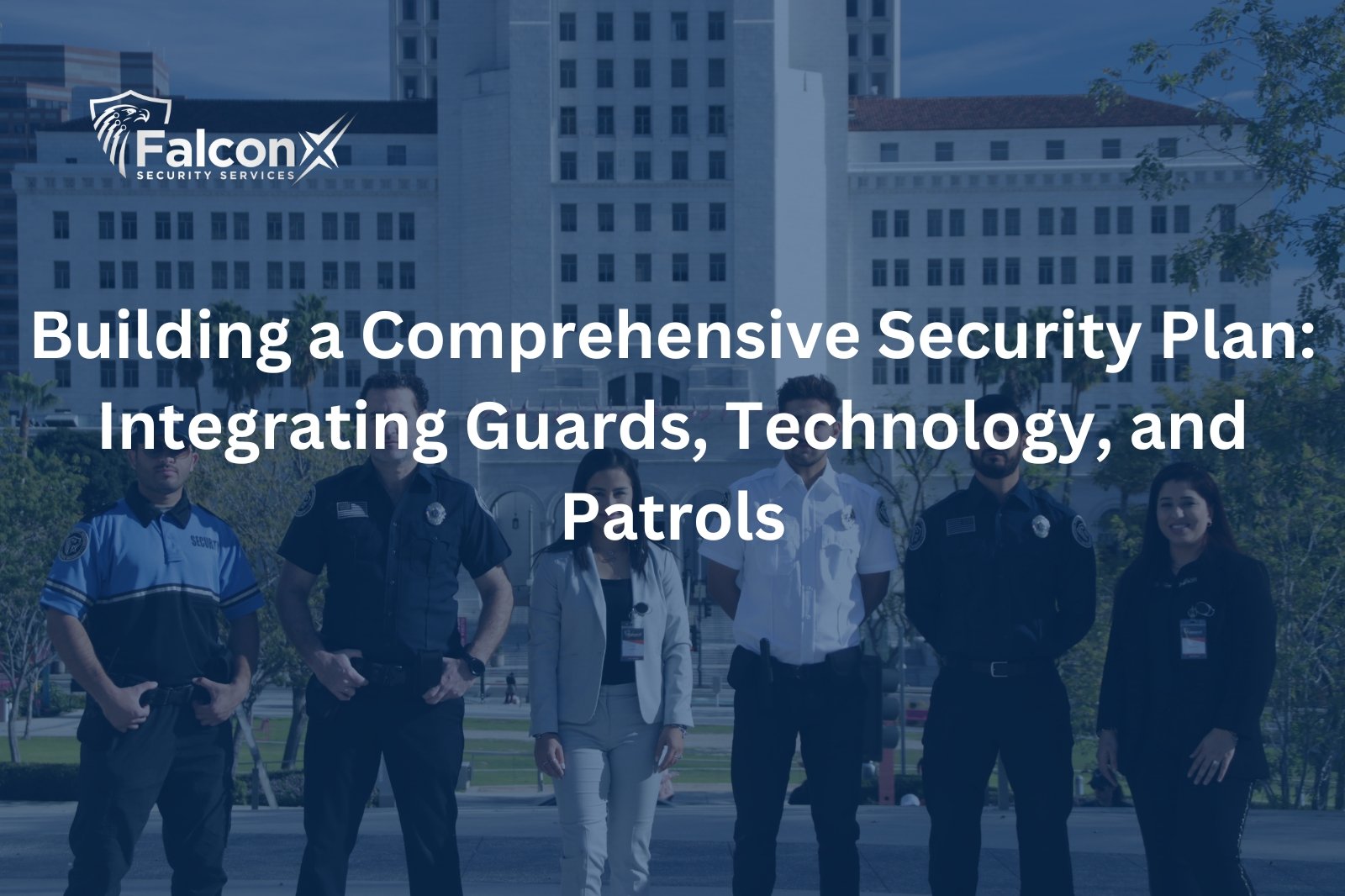
Building a Comprehensive Security Plan: Integrating Guards, Technology, and Patrols

Security is a crucial aspect of any organization, business, or personal space. In today’s world, where threats and risks are constantly evolving, a comprehensive security plan becomes more than just an option – it’s a necessity. But how do you create an effective security plan that integrates human resources like guards, advanced technology, and physical patrols? Let’s break it down step by step, focusing on each element’s contribution to a holistic approach.

Understanding the Basics of a Security Plan

Before diving into the specifics of integrating guards, technology, and patrols, let’s first understand what a security plan is and why it matters. A security plan is a strategy that outlines how an organization will protect its assets, people, and premises from potential threats. These threats could range from break-ins and vandalism to cyberattacks or employee misconduct.

In essence, a well-crafted security plan is designed to minimize risks and ensure that there are systems in place to detect, prevent, and respond to any potential security breach. A comprehensive plan will incorporate various elements, including human resources (like security guards), technology (such as surveillance cameras and alarm systems), and active patrols to ensure that the organization is covered from all angles.

The Role of Security Guards

Security guards are often the first line of defense when it comes to protecting people and property. They provide a physical presence that can deter criminals and quickly respond to any incidents. When integrating security guards into a comprehensive security plan, it’s important to focus on their role, training, and placement.

Role of Guards:

Security guards can serve multiple purposes, from monitoring surveillance systems to directly interacting with the public and enforcing security protocols. They are not just there to respond to emergencies but also to prevent incidents from happening. Their mere presence is often enough to deter criminal activity, especially in high-risk areas.

But their role doesn’t end with deterrence. Guards also have the responsibility to monitor the site for any suspicious activity, conduct routine checks of premises, and assist in emergency responses. They are trained to identify potential threats before they escalate and take appropriate action. Depending on the scale of your security needs, you may require a mix of static guards (who remain at one post) and mobile guards (who conduct rounds across a larger area).

Training and Expertise:

A security guard’s role is not just about standing at the gate or patrolling the premises. Effective guards undergo comprehensive training in areas such as conflict resolution, emergency response, and risk assessment. They must be trained to use any available technology (e.g., alarm systems and cameras) and follow safety procedures under pressure.

Ask yourself: Are your security personnel properly trained? Have you ensured that they are knowledgeable not just in routine tasks but also in handling emergencies?

Proper training increases their effectiveness in a security strategy, ensuring that they can respond appropriately to various situations.

Technology in Security Plans: The Backbone of Modern Protection

The landscape of security has evolved significantly over the past few decades, largely due to the advancement of technology. From high-definition cameras to automated access control systems, technology now plays an integral role in modern security plans.

Surveillance Cameras:

CCTV systems have long been one of the most effective tools in security. With the right placement and monitoring, they can provide real-time alerts and detailed footage that may be invaluable for both deterring criminals and reviewing incidents after the fact. Today’s security cameras come with a host of features like motion detection, infrared vision, and facial recognition, making them more effective than ever before.

Do you have cameras that cover every angle of your property, and are they strategically placed to prevent blind spots?

Alarm Systems:

Alarm systems are designed to detect unauthorized entry and notify the relevant authorities or security personnel. Whether it’s a break-in, fire, or gas leak, an alarm system can provide immediate alerts, ensuring a quick response before a small incident turns into a bigger problem. It’s important to ensure that your alarm system is connected to a central monitoring station or directly to local law enforcement for swift action.

Access Control Systems:

Access control systems are essential for restricting unauthorized access to specific areas of your property or building. Modern access systems include electronic locks, keycards, biometrics, and even mobile app-based entry methods. These systems not only provide an added layer of security but also enable real-time tracking of who enters and exits your premises.

Have you considered how access control systems can help you manage and track security more effectively?

Patrols: Active Monitoring and Prevention

Patrolling is another key component of a comprehensive security plan. Unlike guards stationed at fixed posts, patrols involve security personnel who move around the premises to observe and report on potential threats. The goal of patrols is to provide active monitoring that can prevent incidents before they happen.

Types of Patrols:

  • Foot Patrols: Guards physically walk through the premises, checking doors, windows, and other vulnerable spots. This method is especially useful in large areas or locations with multiple buildings, like universities or corporate campuses.
  • Vehicle Patrols: Larger properties or outdoor areas might require vehicle patrols. These guards patrol the area in cars, ensuring that no unauthorized individuals are on the premises.
  • Random Patrols: Predictable patrol routes can be easily figured out by intruders. By having guards take random routes or patrol at irregular intervals, the element of surprise can act as a deterrent.

Technology Integration in Patrols:

Incorporating technology into patrols can enhance their effectiveness. For example, GPS-enabled patrol systems allow security personnel to track their movements in real-time and verify that all areas have been checked. Some systems even allow for the automatic logging of patrol activities, ensuring there’s a record for accountability.

Are your patrols using the latest tech tools to improve efficiency and safety?

Integration: Combining Guards, Technology, and Patrols

The key to building a robust security plan is integration. While each of these elements – security guards, technology, and patrols – can work independently, the true power comes from how they complement each other.

Coordinating Security Guards with Technology:

Imagine a security guard monitoring a camera system in a control room. If an alert is triggered by a motion detection sensor or a facial recognition system, the guard can immediately deploy a mobile unit to investigate the situation in person. This integrated approach allows for a quicker, more coordinated response.

Synchronizing Patrols with Technology:

Incorporating real-time tracking systems into patrols can provide managers with insight into where security personnel are at any given time. This can help ensure all areas are covered and provide an extra layer of oversight. Additionally, if something goes wrong, the system can notify other personnel or emergency responders instantly.

How can you improve coordination between your security teams and technology to ensure faster responses?

The Importance of Regular Reviews and Updates

A security plan is not a one-time setup. As new threats emerge and technology continues to evolve, it’s vital to regularly assess and update your security strategies. Conduct periodic audits to ensure that your security guards are still adequately trained, your technology is up to date, and your patrol routes are still effective.

By conducting regular reviews, you ensure that your security plan adapts to new risks and technologies, ensuring you stay ahead of potential threats.

Conclusion: Building a Holistic Security System

A comprehensive security plan isn’t just about one element working on its own – it’s about how guards, technology, and patrols work together to protect your assets. From training security personnel to installing the latest surveillance systems and coordinating patrols, each part plays a crucial role in the overall safety of the environment.

By integrating all three aspects effectively, you can create a security strategy that is not only reactive but also proactive, ensuring that you are prepared for any potential threat. Always remember to evaluate and update your strategy, as security is an ongoing process.

With this plan in place, you can rest assured knowing that you’ve created a reliable and effective security system. So, what steps will you take next to integrate these elements into your own security plan?

Fire Watch: More Than Just a Presence – Preventing Catastrophe Through Vigilance

When you hear the term “fire watch,” you might picture someone standing by with a fire extinguisher or simply keeping an eye on things. But, there’s so much more to it than just being present. Fire watch is a critical, yet often underestimated, aspect of fire safety. It’s not just about standing guard; it’s about actively preventing disasters, saving lives, and protecting properties from the devastating effects of fire. So, let’s take a closer look at why fire watch is far more than a mere presence, and why its role is indispensable in both everyday environments and high-risk scenarios.

The Heart of Fire Watch: Vigilance

At its core, fire watch is about vigilance. The goal is not just to monitor for visible signs of fire but to be proactive in identifying risks before they become threats. Think of fire watch as the last line of defense. These trained professionals serve as an early warning system. In environments where fire hazards are higher—such as construction sites, industrial plants, or during certain maintenance operations—having someone on fire watch is absolutely vital.

Fire watch personnel are tasked with monitoring specific areas for any signs of heat, smoke, or unusual smells that might indicate a fire hazard. They’re trained to spot hazards that might be missed by those not actively looking for them. Their vigilance can make the difference between a small incident and a catastrophic fire.

Why Fire Watch Matters

You might be wondering, “Why can’t we just rely on automatic fire suppression systems or alarms?” Well, while these systems are essential, they’re not foolproof. There are several reasons why fire watch is needed, even in places where fire prevention systems are already in place:

  1. Human Error: Machines can fail. Fire alarms may malfunction, and sprinklers may not activate properly. Fire watch serves as a fail-safe, ensuring someone is actively looking for signs of danger.
  2. High-Risk Environments: In certain situations—like welding, cutting, or working with flammable materials—the risk of fire is significantly elevated. Fire watch becomes crucial in these settings because the potential for something to go wrong is high.
  3. Limited Coverage: Fire protection systems might not cover all areas, especially in construction or renovation sites. Fire watch fills the gaps, ensuring that no area goes unchecked.
  4. Emergency Response: In case of an emergency, fire watch personnel are often the first ones to alert everyone to evacuate. They’re trained to stay calm under pressure and to act quickly, which can save lives in a crisis.

The Role of Fire Watch in Various Settings

Now, you may be wondering where fire watch is typically implemented. Is it only for large industrial settings, or do other places need it too? The truth is, fire watch can be essential in a variety of situations, ranging from construction sites to event venues.

1. Construction Sites

Construction sites are hotbeds for fire risks. The combination of power tools, electrical wiring, and flammable materials creates the perfect storm for a fire. Because construction sites often lack fully installed fire suppression systems, fire watch personnel are required to be present during certain high-risk activities. Whether it’s welding or using a blowtorch, these tasks can easily spark a fire if precautions aren’t taken.

2. Industrial Facilities

Factories, refineries, and chemical plants operate in environments where fire risks are constant. High-powered equipment, chemicals, and raw materials can pose significant hazards. Fire watch in industrial settings goes beyond just looking for visible smoke. Fire watch personnel are trained to detect subtle signs of overheating or pressure buildup in systems that could eventually lead to a fire.

3. Public Events

Outdoor festivals, concerts, or large gatherings are often held in areas with temporary setups and equipment that may not be up to fire safety codes. As these events usually involve large crowds, fire watch teams ensure that any potential fire hazards—such as cooking equipment, electrical generators, or fireworks displays—are monitored.

4. Maintenance and Repair Work

Sometimes, during the process of maintaining or repairing equipment in sensitive areas, the risk of fire is heightened. In cases like this, fire watch personnel are crucial. For example, when cutting metal or performing electrical work, a spark could ignite surrounding materials. Having fire watch personnel ensures these sparks don’t turn into a disaster.

What Fire Watch Personnel Do

A fire watch isn’t just there for show. These individuals have specific tasks they must perform to keep things safe and prevent catastrophic events. Here’s a breakdown of what fire watch personnel do:

  1. Monitor for Signs of Fire The most important role of a fire watch is to stay vigilant and alert for any signs of fire. This means regularly walking the area, checking for smoke, unusual heat, or smells. They may also check electrical panels or flammable material storage areas for potential threats.
  2. Conduct Regular Inspections Fire watch personnel should do regular inspections of the area, looking for any conditions that could increase the risk of a fire. This could include anything from improper storage of combustible materials to faulty electrical systems.
  3. Alert and Evacuate If a fire or potential hazard is detected, the fire watch team is responsible for notifying the appropriate authorities immediately. In the case of an actual fire, they are trained to lead people to safety quickly, ensuring a smooth evacuation.
  4. Report Conditions Fire watch personnel are also responsible for documenting their observations. This includes noting down the times they conduct their checks, any hazards they identify, and how they respond to potential threats. These records are important for both safety compliance and improving future fire prevention efforts.
  5. Communicate with Firefighters In case of a fire, the fire watch personnel will need to be able to communicate effectively with emergency responders. They’ll provide important information such as the exact location of the fire, what caused it, and any hazards in the area that need to be considered.

Qualifications and Training for Fire Watch

Fire watch isn’t a role that just anyone can fill. Fire watch personnel need to be specifically trained and certified to do their job effectively. Some of the key qualifications include:

  • Basic Fire Safety Knowledge: They need to understand fire behavior, how fires spread, and how to handle different types of fires.
  • Knowledge of Local Fire Codes and Regulations: Fire watch personnel must be familiar with local fire codes to ensure they’re following the correct procedures.
  • Emergency Response Training: They need to know how to respond in an emergency, whether that involves evacuating people, using a fire extinguisher, or calling in additional emergency services.
  • Good Judgment and Observation Skills: Because fire watch is about preventing something before it happens, personnel must have excellent judgment, able to spot potential hazards and react accordingly.

The Cost of Not Having Fire Watch

You might think fire watch is an unnecessary expense or overkill, but let’s break down the potential costs of not having one. A fire, especially in an industrial or commercial setting, can be devastating, resulting in:

  1. Loss of Life: The most important thing to consider is human safety. A fire can spread quickly, and if there’s no fire watch in place, people may not have enough time to escape, resulting in fatalities.
  2. Property Damage: Fires can cause significant destruction to equipment, buildings, and other assets. Even if the fire doesn’t completely destroy the property, smoke damage can still lead to costly repairs.
  3. Legal and Financial Consequences: If a fire occurs and there’s no fire watch, a company or property owner could face legal consequences. They may be held responsible for negligence, leading to costly fines and lawsuits.
  4. Downtime and Business Loss: For industrial operations, a fire can lead to a halt in production, which translates into significant financial loss. It can take months to get operations back up and running after a major fire.

Conclusion

Fire watch might seem like an unimportant detail in the grand scheme of fire safety, but it’s anything but. It’s a critical part of an overall fire prevention strategy. Vigilance is key, and fire watch personnel play a pivotal role in ensuring that fires don’t start or, if they do, that they’re dealt with swiftly and effectively. The presence of a fire watch team doesn’t just prevent loss; it can be the difference between life and death.

Next time you’re in a high-risk environment, ask yourself: “What am I doing to ensure fire safety?” Whether it’s a small workshop, a construction site, or a large industrial complex, remember, fire watch is more than just a presence—it’s a key component in preventing catastrophe.

Foot, Bike, or Golf Patrol: Choosing the Right Mobile Security for Your Environment

In an ever-evolving world where safety and security are paramount, choosing the right mobile security method can significantly impact the effectiveness of any security strategy. Mobile security personnel have various options at their disposal, with foot, bike, and golf patrols being the most common. Each method has its own set of advantages and disadvantages, making it essential to assess the environment, security needs, and overall goals before making a choice.

Understanding Mobile Security Patrols

Mobile security patrols are designed to provide a physical presence in various environments to deter crime, respond to incidents, and ensure safety. Depending on the environment—urban, suburban, commercial, or recreational—the choice of patrol mode can influence effectiveness. The three primary methods of mobile security are foot patrol, bike patrol, and golf patrol, each suited for specific scenarios.

1. Foot Patrol

Overview

Foot patrol involves security personnel patrolling on foot within a designated area. This method is one of the oldest forms of policing and remains relevant in modern security frameworks.

Advantages

  • Visibility and Approachability: Officers on foot are often seen as more approachable, which can encourage communication with the community. Their presence can help deter crime simply by being visible.
  • Flexibility: Foot patrols can navigate tight spaces, stairways, and pedestrian-only areas where vehicles cannot go. This makes them ideal for urban environments with high foot traffic.
  • Community Engagement: Being on foot allows security personnel to engage directly with the public, building trust and rapport. This can be particularly beneficial in residential areas or community events.
  • Cost-Effective: Foot patrols require less investment than vehicle-based patrols, making them an economical choice for many organizations.

Disadvantages

  • Limited Range: Foot patrols cover smaller areas in a given time compared to vehicles. This can be a disadvantage in larger facilities or sprawling campuses.
  • Physical Demands: Walking long distances can be physically taxing, which may lead to fatigue over time.
  • Response Time: In emergencies, foot patrols may take longer to respond compared to bike or vehicle patrols.

2. Bike Patrol

Overview

Bike patrols involve security personnel patrolling designated areas on bicycles. This method combines the advantages of both foot and vehicle patrols, providing a balance between mobility and accessibility.

Advantages

  • Increased Mobility: Bikes allow for faster travel than foot patrols while still being able to navigate areas that cars cannot access. This can significantly reduce response times in emergencies.
  • Environmental Friendliness: Bicycles are eco-friendly and can contribute to a positive image for organizations concerned about sustainability.
  • Community Interaction: Similar to foot patrols, bike patrols promote community engagement. Officers on bikes can stop to converse with residents, attend events, or monitor activities in public spaces.
  • Cost Efficiency: While there is an initial investment for bicycles, the ongoing operational costs are generally lower than those associated with vehicle patrols.

Disadvantages

  • Weather Dependence: Inclement weather can hinder the effectiveness of bike patrols, limiting their operation during rain, snow, or extreme heat.
  • Training Requirements: Officers may need additional training to safely operate bikes, especially in busy urban environments where traffic management is crucial.
  • Limited Equipment Carrying Capacity: Officers may have difficulty carrying larger equipment or emergency gear while on a bicycle.

3. Golf Patrol

Overview

Golf patrols utilize golf carts or similar vehicles designed for quick, nimble travel across larger spaces, especially in recreational settings like golf courses, parks, and large residential communities.

Advantages

  • Speed and Efficiency: Golf carts allow security personnel to cover larger areas quickly, making them ideal for expansive environments.
  • Comfort and Capacity: Officers can carry more equipment than on foot or bike, allowing them to respond to various situations more effectively.
  • Versatility: Golf patrols can operate effectively in areas where larger vehicles cannot, making them suitable for parks, resort complexes, and other expansive venues.
  • Community Presence: The use of golf carts can project a friendly and non-threatening image, which is particularly beneficial in community-focused settings.

Disadvantages

  • Higher Initial Costs: Compared to foot and bike patrols, the initial investment for golf carts can be higher, which may be a deterrent for some organizations.
  • Less Community Interaction: Officers in golf carts may be perceived as less approachable compared to those on foot or bikes, potentially reducing community engagement.
  • Terrain Limitations: Golf carts may struggle on rough terrain or uneven surfaces, limiting their effectiveness in certain environments.

Factors to Consider When Choosing a Mobile Security Method

Selecting the right mobile security option involves analyzing various factors, including:

1. Environment

  • Urban vs. Rural: Urban areas may benefit more from foot or bike patrols due to high pedestrian traffic and accessibility, while rural or expansive areas might be better suited for golf patrols.
  • Facility Size: Large campuses or parks may necessitate the use of golf carts or bikes for effective coverage, while smaller areas could be adequately served by foot patrols.
  • Terrain: The physical layout of the environment—hills, pathways, and obstacles—can influence the choice of patrol method.

2. Security Objectives

  • Crime Deterrence: If the primary goal is deterrence, foot patrols may be most effective due to their visibility. Bike patrols can also be effective in covering more ground while still engaging with the community.
  • Response Time: For areas prone to incidents requiring quick response, bike or golf patrols may be more advantageous due to their speed.
  • Community Relations: If community interaction is a priority, foot and bike patrols are generally better suited for building rapport and trust.

3. Budget Constraints

  • Initial Investment: Consider the initial costs of each option, including equipment, uniforms, and training. Foot patrols are typically the most economical, while golf patrols require more investment upfront.
  • Operational Costs: Evaluate the ongoing costs associated with each option, including maintenance, fuel (for golf carts), and personnel expenses.

4. Staffing Considerations

  • Personnel Availability: The number of security personnel available can influence the choice of patrol method. More officers may be needed for effective foot patrols, while fewer may suffice for bike or golf patrols covering larger areas.
  • Training Needs: Assess the current skill set of personnel and the training required for bike or golf patrol operations.

Best Practices for Implementing Mobile Security Patrols

Once you’ve identified the appropriate patrol method, implementing best practices can enhance the effectiveness of your mobile security operations.

1. Training and Development

  • Provide comprehensive training to security personnel in their specific patrol methods, emphasizing safety, community interaction, and emergency response.
  • Encourage continuous learning through workshops and simulations to keep personnel updated on best practices and new technologies.

2. Community Engagement

  • Promote community-oriented policing by encouraging officers to interact with residents and businesses, fostering trust and cooperation.
  • Organize community events that involve security personnel, showcasing their role in maintaining safety and security.

3. Utilize Technology

  • Equip security personnel with communication devices to ensure quick reporting and response capabilities.
  • Consider the use of GPS tracking for bike and golf patrols to monitor movements and optimize routes.

4. Regular Assessment

  • Continuously evaluate the effectiveness of the chosen patrol method, soliciting feedback from personnel and the community.
  • Adjust strategies based on findings to improve overall security effectiveness and community relations.

Bottom Line

The decision to employ foot, bike, or golf patrols in a security strategy should be made with careful consideration of the environment, security objectives, budget constraints, and community engagement needs. Each patrol method offers unique advantages and disadvantages, and understanding these can help organizations tailor their approach to enhance safety and security effectively.

By investing in the right mobile security solution and adhering to best practices, organizations can create a safer environment that fosters trust and cooperation between security personnel and the communities they serve. Ultimately, the goal is to not only deter crime but also to enhance the overall sense of safety and well-being for all individuals within the environment.

How Real-Time Monitoring Is Revolutionizing Property Protection

In recent years, the rise of technology has reshaped industries across the globe, and the realm of property protection is no exception. Traditional methods of security, such as locks, alarms, and even neighborhood watch programs, have given way to more advanced, real-time solutions that provide property owners with instant updates, greater control, and enhanced peace of mind. Real-time monitoring, especially when combined with smart technologies, has transformed the way properties—whether residential, commercial, or industrial—are protected.

This article explores how real-time monitoring is revolutionizing property protection, focusing on its technological advancements, benefits, and the future of property security.

The Evolution of Property Protection

Property protection, at its core, aims to safeguard buildings, assets, and the individuals who use them. In the past, security systems were limited to basic devices such as lock-and-key mechanisms and static surveillance cameras. Over time, these security measures evolved with the introduction of alarm systems, motion detectors, and closed-circuit television (CCTV) cameras.

However, the key shift has occurred in the transition from static, delayed responses to dynamic, real-time monitoring. Previously, security systems recorded footage or triggered alarms after an event had occurred, but real-time monitoring allows security personnel or property owners themselves to respond as events unfold, enabling faster, more informed decisions.

What Is Real-Time Monitoring?

Real-time monitoring refers to the continuous, immediate tracking of activity, events, and conditions in a specific area through the use of digital technologies. It typically involves a network of cameras, sensors, and other devices that relay live data to a central system, such as a smartphone app, desktop software, or monitoring center.

The key advantage of real-time monitoring is that it provides instantaneous feedback. Property owners and security teams can see what is happening on their premises in real time, regardless of their location. This is made possible through the internet, wireless connectivity, and cloud-based storage, which allow seamless communication between various devices and monitoring systems.

Real-time monitoring can include:

  • CCTV Surveillance: Live video streaming from cameras installed around the property, which allows users to monitor activities as they happen.
  • Motion Detection Sensors: Real-time alerts triggered by unusual movements, such as someone entering a restricted area or tampering with equipment.
  • Environmental Monitoring: Sensors that track temperature, humidity, or air quality, providing real-time updates to detect potential risks like fires or leaks.
  • Access Control Systems: Systems that provide real-time verification of who enters or exits a building via biometrics, keycards, or codes.

The Technological Advancements Driving Real-Time Monitoring

Several innovations in technology have enabled real-time monitoring to evolve from a niche service to a mainstream solution in property protection. These include:

  1. Cloud Computing and IoT: The rise of the Internet of Things (IoT) has connected devices to the internet, allowing real-time data transfer between devices and centralized monitoring systems. Cloud storage ensures that data is readily accessible and easily shared, even from remote locations. This decentralization of data storage makes real-time monitoring more accessible and efficient.
  2. Artificial Intelligence (AI) and Machine Learning: AI-powered software can analyze video feeds and sensor data in real time to detect anomalies and potential security threats. For example, AI can distinguish between human and animal motion, reducing false alarms triggered by pets or wildlife. Additionally, machine learning algorithms can “learn” from past data to improve threat detection and response time.
  3. Mobile Applications and Smart Devices: Mobile apps that provide real-time alerts and live video feeds allow property owners to stay informed from anywhere in the world. Similarly, smart devices such as doorbell cameras and motion sensors offer increased control and flexibility, enabling users to monitor their property remotely.
  4. Facial Recognition and Biometric Systems: Cutting-edge facial recognition and biometric technology are enhancing access control systems, allowing real-time identification of individuals entering or exiting a building. These systems can increase security by preventing unauthorized access in a way that traditional keypads and passcodes cannot.
  5. 5G Connectivity: The introduction of 5G networks has drastically improved the speed and reliability of real-time monitoring. With faster data transmission rates, security systems can transmit large amounts of data without delay, providing real-time video feeds, sensor updates, and instant notifications without lag.

Benefits of Real-Time Monitoring in Property Protection

The shift to real-time monitoring has offered a host of benefits that are transforming the property protection landscape. These advantages are pushing traditional security measures to the background in favor of more responsive and efficient systems.

  1. Instant Response to Threats One of the primary benefits of real-time monitoring is the ability to respond instantly to potential security threats. With live data streaming from cameras and sensors, property owners or security personnel can take immediate action—whether it’s alerting authorities, activating alarms, or locking down certain areas of the property. This swift response can prevent or minimize damage from break-ins, vandalism, fire, or other emergencies.
  2. Enhanced Surveillance and Prevention Real-time monitoring does not just record events as they happen; it enables proactive surveillance. Continuous monitoring allows property owners to keep a constant eye on their property, potentially identifying suspicious activity before it escalates into a security breach. For instance, if an intruder is detected on the premises, real-time alerts can prompt immediate action, such as remotely locking doors or activating additional lighting.
  3. Cost-Effective Security While traditional security measures may require a large investment in manpower, real-time monitoring systems can be more cost-effective in the long run. The use of AI and automated systems can reduce the need for human oversight, while cloud-based storage lowers the cost of maintaining physical servers. Additionally, because real-time systems allow for remote monitoring, property owners may not need to hire a full-time security team, making it a budget-friendly alternative.
  4. Peace of Mind For property owners, knowing that they can access real-time data from anywhere at any time offers significant peace of mind. Whether at home, on vacation, or traveling for work, property owners can monitor the security of their property 24/7, helping them feel more in control and less vulnerable.
  5. Remote Monitoring for Multiple Locations For individuals or businesses with multiple properties to manage, real-time monitoring provides a convenient solution. Security teams or property owners can monitor various locations simultaneously, ensuring that multiple sites are protected without requiring physical presence at each one. This is particularly valuable for businesses with national or global operations.
  6. Data-Driven Insights Real-time monitoring not only helps with security but also offers valuable data that can drive decisions for improving property safety. The data collected from sensors and cameras can be analyzed to identify patterns and trends, enabling property owners to adjust their security protocols accordingly. For example, if a particular area of a property experiences frequent unauthorized access, security measures can be intensified in that area.

Challenges of Real-Time Monitoring

While real-time monitoring offers substantial benefits, it is not without its challenges.

  1. Privacy Concerns With the widespread use of cameras and sensors, privacy concerns can arise. Property owners must ensure that their monitoring systems do not infringe on the privacy of tenants or neighbors. Clear policies and communication about the extent and nature of surveillance are essential to mitigate these concerns.
  2. Cybersecurity Risks As real-time monitoring systems rely heavily on internet connectivity, they are vulnerable to cyber-attacks. Hackers could potentially access live feeds, disrupt sensor systems, or exploit vulnerabilities in cloud-based storage. Property owners must implement robust cybersecurity measures, such as encryption, multi-factor authentication, and regular system updates, to protect against these risks.
  3. Cost of Implementation Although real-time monitoring can be cost-effective in the long run, the initial setup may require significant investment in hardware, software, and installation. Small businesses or individual property owners may find the upfront costs prohibitive. However, as technology continues to improve and become more accessible, prices are expected to decrease.

The Future of Real-Time Monitoring in Property Protection

The future of real-time monitoring looks incredibly promising. As technology continues to evolve, property protection systems will become even more sophisticated. Some of the potential developments include:

  • Integration with Smart Cities: As cities become smarter and more interconnected, real-time monitoring systems will likely integrate with city-wide networks, enhancing overall security and situational awareness. For example, if a security breach occurs at a business, authorities could instantly access nearby public cameras to track the suspect’s movements.
  • Autonomous Security Systems: In the future, AI could enable fully autonomous security systems that make real-time decisions without human intervention. These systems could automatically detect and neutralize threats, further improving response times and accuracy.
  • Advanced Sensors and Drones: The next generation of monitoring systems may incorporate drones and advanced sensors that provide even more comprehensive coverage. Drones, equipped with cameras and AI, could patrol a property or area autonomously, providing real-time video surveillance in hard-to-reach locations.

Conclusion

Real-time monitoring is fundamentally reshaping property protection, providing owners with more control, faster response times, and advanced security capabilities. By harnessing the power of IoT, AI, and cloud computing, real-time systems offer unparalleled protection against threats, while also providing a wealth of data to inform better decision-making.

While challenges like privacy concerns and cybersecurity risks remain, the benefits of real-time monitoring far outweigh the drawbacks. As technology continues to advance, real-time monitoring will undoubtedly become a cornerstone of modern property protection, offering enhanced security and peace of mind to property owners around the world.

How a Fire Watch Guard Protects Your Business When Systems Fail

What is a Fire Watch Guard?

A fire watch guard is a trained professional whose primary responsibility is to monitor a property for potential fire hazards. They patrol the premises, keeping a close eye on high-risk areas, and take immediate action if they detect any signs of fire. Essentially, they are the eyes and ears of fire prevention when systems like alarms or sprinklers are offline or malfunctioning.

But why is this so important for businesses?

Why Fire Safety Matters for Your Business

Fire safety is one of those things you can’t afford to overlook. A fire, even a small one, can cause devastating damage to your property, disrupt operations, and most importantly, put lives at risk. Business owners must consider fire safety in every corner of their operations—whether it’s storing flammable materials safely, ensuring employees are trained on fire safety, or maintaining functional alarm systems. But even the best systems can fail at times, and that’s where fire watch guards come in to fill the gap.

Purpose of the Article

In this article, we’ll explore exactly how fire watch guards protect your business when systems fail. We’ll dive into their role in spotting risks early, their specific duties, and why they are essential for your business continuity and safety. If your fire alarm is malfunctioning, your sprinkler system is down for maintenance, or you are undergoing construction that increases fire risk—this is where a fire watch guard becomes your safety net.

The Role of Fire Watch Guards in Business Safety

What Do Fire Watch Guards Do?

Fire watch guards play a crucial role in maintaining safety when automated fire systems aren’t available. Their primary responsibility is to patrol the premises, identifying fire hazards before they become a bigger issue. Whether it’s spotting sparks from machinery, detecting unusual heat levels, or noticing a blocked fire exit, their constant vigilance helps prevent fires from starting or escalating.

These guards don’t just watch—they actively identify risks and take action. This means not only identifying dangers but also keeping an eye out for the smallest signs of potential fires, like a short circuit, a smell of smoke, or overheated equipment. Their job is to detect problems early, when the risks are still manageable.

Why Should Your Business Have Fire Watch Guards?

Fire watch services are vital in certain situations. For example, what happens if your fire alarm system suddenly fails? Or if your automatic sprinklers are down for maintenance? Without these critical systems working properly, a small spark can turn into a massive disaster in minutes. This is exactly when a fire watch guard becomes indispensable.

Imagine you’re running a warehouse or manufacturing plant. If the fire suppression system fails or the alarms are off, your property and employees are vulnerable. In these cases, fire watch guards fill the gap, providing eyes on the ground when the systems are down.

Similarly, during construction projects, businesses may not have full fire protection systems in place due to the nature of the work. With welding, cutting, or heavy machinery involved, there’s an increased risk of fire, and a fire watch guard is the best way to ensure that sparks or heat sources don’t turn into an emergency.

Legal and Compliance Needs

In certain cases, having a fire watch guard isn’t just a precaution; it’s a legal requirement. Some local fire codes and regulations require a fire watch when certain fire protection systems are out of order or during activities that pose a higher fire risk. Not having a fire watch could lead to fines, legal complications, or even insurance claims being voided. Compliance isn’t something to take lightly—having a qualified fire watch guard on-site ensures you’re meeting all fire safety regulations and protecting your business from potential liabilities.

Does your business have the necessary fire safety measures in place? If not, a fire watch guard might be your best line of defense when things go wrong.

Common Scenarios Where Fire Watch Guards Are Necessary

System Failures (Fire Alarm or Sprinkler Systems Down)

What happens when your fire alarm or sprinkler system suddenly stops working? It’s a scenario no business owner wants to face, but it happens. When these automatic systems fail, it leaves your property vulnerable to fire risks. That’s where a fire watch guard comes in.

When these systems aren’t operational, the role of a fire watch guard becomes critical. Instead of relying on automated systems, the guard manually monitors the environment for any signs of fire or potential hazards. They patrol the area, checking for smoke, heat, or sparks, and are trained to respond quickly and effectively in case of an emergency. In short, they act as your safety net when your fire detection systems aren’t up to the task.

During Construction or Renovation

Construction and renovation projects bring with them an increased risk of fire. The presence of flammable materials, hot work like welding or cutting, and electrical equipment can easily lead to sparks or overheating. With all the activity happening, the last thing you want is a fire starting without anyone noticing it.

This is why a fire watch guard is especially necessary during construction. They ensure that high-risk areas are continuously monitored, preventing any accidental fires that could cause severe damage to your property or even halt work on the project. Whether it’s overseeing welding activities or keeping watch over piles of combustible materials, a fire watch guard acts as the eyes and ears of fire safety on your construction site.

Temporary Shutdown of Fire Suppression Systems

There are times when fire suppression systems, such as sprinklers or alarms, must be temporarily shut down for maintenance or repairs. While these systems are offline, your business remains exposed to fire risks. This is another scenario where fire watch guards are needed.

In these cases, the guard steps in to maintain constant surveillance, ensuring that no fire hazards go unnoticed. They also maintain a heightened sense of alertness in areas where fire risk may be greater, such as kitchens or electrical rooms, where malfunctions or accidents are more likely. When your suppression systems are down, fire watch guards are your eyes and hands, keeping the premises safe until the systems are back online.

Non-Compliance Issues

Sometimes, businesses may discover that their fire alarm system or sprinklers aren’t up to code. Whether due to aging equipment, improper installation, or failure to meet local safety standards, these situations can leave you in a tough spot. When systems don’t meet safety regulations, having a fire watch guard is not just a good idea—it’s often required.

In this case, the fire watch guard ensures that your property remains safe until the issue is resolved. They’ll monitor for any fire hazards and take immediate action if necessary. A fire watch guard helps you stay compliant with fire safety regulations, ensuring that your business isn’t putting itself at risk of penalties or liabilities.

How Fire Watch Guards Mitigate Fire Risks

Visual Inspections and Patrols

Fire watch guards don’t just stand around waiting for something to go wrong. They actively patrol the area, visually inspecting every corner of your premises for potential fire hazards. Whether it’s checking electrical equipment, machinery, or high-risk areas like kitchens and storage rooms, the guard is always on the lookout for warning signs like heat, smoke, or even faulty wiring. Their patrols help spot problems before they escalate into a full-blown emergency.

Do you know the last time you thoroughly checked your facility for fire hazards? A fire watch guard makes sure nothing is overlooked.

Identification of Fire Hazards

Fire prevention is all about identifying risks before they become problems. Fire watch guards are trained to recognize the subtle signs of fire hazards. They might notice an overheating piece of machinery, a stack of flammable materials improperly stored, or blocked fire exits. By spotting these risks early, they can take preventive measures to reduce the chances of a fire breaking out.

For example, a fire watch guard might clear the area around electrical equipment, notify staff about the importance of keeping fire exits clear, or report faulty equipment that could spark a fire. It’s about staying proactive, not just reactive.

Monitoring Hot Work Areas

Certain activities, like welding, cutting, or grinding, produce sparks that could easily lead to a fire. These areas, known as “hot work” zones, need special attention. Fire watch guards are responsible for monitoring these high-risk areas, ensuring that the proper precautions are being followed to prevent accidents. They’ll make sure fire-resistant blankets or shields are used, and that fire extinguishers are within reach in case something goes wrong.

If you’re performing hot work on your premises, do you have a fire watch guard on-site? They’re crucial in preventing sparks from becoming fires.

Immediate Response and Emergency Procedures

When a fire does break out, every second counts. Fire watch guards are trained to respond quickly and effectively in an emergency. Their first step is to raise the alarm—alerting others to evacuate and notifying the local fire department. They don’t just wait for help; they act fast to contain the fire or prevent it from spreading further.

For example, a fire watch guard may use a fire extinguisher to put out a small flame, direct employees to safety, and ensure that emergency exits are clear and accessible. If the fire is beyond control, they’ll make sure the authorities are notified immediately and provide them with any necessary information to assist with their response.

In short, a fire watch guard is prepared to handle a crisis and can make a huge difference in limiting damage, saving lives, and ensuring that everyone gets out safely.

Fire Watch Guard Equipment and Tools

Fire Watch Guard’s Gear and Tools

A fire watch guard’s job is to be prepared for any situation, which means having the right equipment at all times. The tools they carry are critical for detecting and responding to fire risks before they get out of hand. Here are the key items that a fire watch guard typically uses:

  • Fire Extinguisher: Always on hand in case a small fire breaks out. A fire extinguisher is a quick and effective tool for putting out flames before they grow larger.
  • Flashlight: Fire watch guards work around the clock, including during nighttime shifts. A flashlight helps them check dark areas and see potential hazards clearly.
  • Two-Way Radio: Communication is key during emergencies. Fire watch guards use radios to stay in constant contact with management, emergency services, or other team members to quickly report issues and coordinate actions.
  • Notebook and Pen: Detailed records are important for maintaining a log of patrols and noting any hazards or incidents. This also helps with compliance and tracking the steps taken to mitigate risks.
  • Manual Fire Alarm System: In some cases, a fire watch guard is responsible for manually monitoring and activating fire alarms in case of emergency, ensuring that the alarm is raised immediately if a fire is detected.

Having these tools ensures the fire watch guard can handle situations effectively, making it possible to respond to potential dangers quickly and reduce risks for your business.

Safety Equipment for Guards

Fire watch guards are exposed to fire risks just like anyone else in high-risk environments, so their safety is just as important. To protect themselves, they wear personal protective equipment (PPE), which includes:

  • Gloves: Guards wear heat-resistant gloves to protect their hands when dealing with fire hazards or handling hot surfaces.
  • Helmets: In construction zones or areas with heavy equipment, helmets are necessary to protect the head from falling debris or other impacts.
  • Flame-Resistant Clothing: The clothing worn by fire watch guards is made from flame-resistant materials to protect them from burns or injuries in the event of a fire breaking out unexpectedly.

This safety gear allows the fire watch guard to work in high-risk environments while minimizing their own exposure to potential harm.

Communication Tools for Quick Action

When an emergency strikes, time is everything. Fire watch guards rely on communication tools to coordinate quick responses:

  • Two-Way Radios: As mentioned earlier, two-way radios are essential for quick communication between the guard and the management or emergency personnel. They ensure that the guard can immediately alert others if they spot a fire or hazard.
  • Mobile Devices: Some guards may carry mobile devices with access to safety apps or contact lists for easy communication with local fire departments or emergency responders.
  • Alarm Systems: In case of an emergency, fire watch guards need to be able to activate fire alarms manually or use emergency notification systems to alert everyone in the building.

Having the right communication tools ensures that the fire watch guard can quickly raise alarms, alert others, and request help if needed. It helps minimize confusion and ensures everyone is on the same page during an emergency.

Benefits of Hiring a Fire Watch Guard

Ensuring Continuous Safety and Protection

One of the greatest advantages of hiring a fire watch guard is the round-the-clock vigilance they provide. They stay alert at all times, especially in high-risk areas like warehouses, factories, or construction sites, where fire hazards are more likely. Their presence helps ensure that any potential fire risk is noticed and addressed immediately before it turns into a disaster.

If you’re wondering if you can afford a fire watch guard, ask yourself: Can you afford the damage that a fire might cause to your property, employees, and operations?

Minimizing Fire-Related Damages and Losses

By monitoring potential risks and acting swiftly, fire watch guards can prevent small fires from escalating into large, destructive events. Their ability to quickly identify and respond to danger helps protect your business from major fire-related losses. Whether it’s shutting off faulty equipment or alerting emergency responders, fire watch guards can make all the difference between a minor incident and a full-blown catastrophe.

Would you rather take a chance and hope everything works out, or would you prefer to have a professional guard on-site ensuring nothing is left to chance?

Meeting Legal and Insurance Requirements

In many cases, businesses are legally required to have fire watch guards on-site when fire protection systems fail, or when work is being done that involves higher fire risk. This is especially true for construction sites, industrial zones, or when sprinkler systems are being maintained. Failing to meet these requirements could result in fines or legal complications.

Additionally, your insurance company may require you to have a fire watch guard in place if certain systems are out of order. Not having one could mean your insurance doesn’t cover fire-related losses. So, having a fire watch guard isn’t just good practice—it’s often a necessity for staying compliant and ensuring your insurance remains valid.

Reducing Liability and Risk

The presence of a professional fire watch guard greatly reduces the risk of liability for your business. If a fire breaks out and there’s no fire watch guard on duty, the responsibility for the incident could fall on your business, especially if it was due to negligence. By hiring a fire watch guard, you demonstrate that you took all necessary precautions to protect your property and employees. This not only helps with compliance but also minimizes potential legal and financial repercussions in the event of an incident.

Wouldn’t it be reassuring to know that you have a trained professional who is actively looking out for your business, helping you avoid unnecessary risks?

In summary, a fire watch guard offers protection, reduces risk, and ensures compliance—making them an invaluable asset to any business that wants to prioritize safety and minimize potential fire-related damage.

Case Studies and Real-World Examples

Case Study 1: Construction Site Fire Prevention

Construction sites are inherently high-risk environments, with exposed electrical wiring, heavy machinery, and flammable materials scattered across the site. One notable case involved a large construction project where a fire watch guard was stationed during the installation of roofing materials. Workers were using propane torches to secure roofing tiles, a process that produces sparks and increases the risk of fire. Without the fire watch guard, these sparks could have easily ignited nearby combustible materials.

The fire watch guard monitored the site continuously, ensuring that all safety protocols were followed, including keeping fire extinguishers on hand and ensuring fire breaks were clear. One afternoon, the guard noticed some sparks that had landed on nearby insulation, which could have sparked a fire. Thanks to their quick response, the fire was extinguished before it could spread, preventing a potential disaster and saving the company from costly delays and damages.

Case Study 2: System Failure at a Warehouse

A warehouse that stored valuable electronics experienced a malfunction in its fire alarm system one winter. The system failed overnight, and the business was unaware of the issue until the morning. Luckily, the company had arranged for a fire watch guard to be on-site while the system was being repaired.

That night, the fire watch guard was performing a routine patrol when they noticed a small electrical fire starting near an overhead light. The guard quickly responded, using the fire extinguisher on hand to contain the fire before it spread to the stored inventory or caused significant damage to the building. Without the fire watch guard, the fire might have gone unnoticed, leading to extensive property damage, inventory loss, or worse.

Case Study 3: Temporary Shutdown of Fire Suppression System in a Factory

A manufacturing facility needed to temporarily shut down its fire suppression system during routine maintenance. Given the nature of the operations—heavy machinery, oils, and flammable materials were used throughout the plant—the potential for a fire was significant. To ensure safety, the factory management hired a fire watch guard to monitor the facility during this period.

The fire watch guard performed regular patrols and was specifically tasked with monitoring hot work areas, electrical equipment, and any potential ignition sources. On one occasion, the guard noticed overheating on a piece of machinery and immediately turned off the power and alerted maintenance to prevent any fire risk. This proactive action ensured that the factory remained safe and operational during the shutdown and allowed the fire suppression system to be properly repaired without incident.

How to Choose the Right Fire Watch Service

What to Look for in a Fire Watch Guard

Choosing the right fire watch service is crucial to ensuring the safety of your business. Here’s what to keep in mind when evaluating potential services:

  • Professional Certifications: Ensure the fire watch guard has relevant certifications, such as those from the National Fire Protection Association (NFPA) or other recognized fire safety organizations. This demonstrates that they have the knowledge to effectively monitor and respond to fire hazards.
  • Experience and Training: It’s essential that fire watch guards have hands-on experience and are trained to handle fire emergencies. Their training should cover fire prevention, emergency evacuation procedures, and the proper use of fire safety equipment like extinguishers and alarms.

Key Qualifications and Credentials

A reliable fire watch guard should possess the following qualifications:

  • Knowledge of Fire Safety Protocols: The guard should be familiar with both general fire safety standards and any specific requirements for your industry.
  • Familiarity with Your Industry: Depending on your business (e.g., construction, manufacturing, or warehousing), it’s helpful to choose a guard with experience in your field. An industry-specific guard will be more familiar with the unique risks your business faces.
  • Emergency Response Training: The ability to respond swiftly in an emergency is critical. Make sure your fire watch guard has undergone comprehensive emergency response training.

Questions to Ask When Hiring a Fire Watch Service

Before hiring a fire watch service, ask these key questions to ensure you are getting the best protection:

  • Is the service insured? Insurance ensures that both the guard and your business are covered in case of an incident.
  • Do they have testimonials or references? Check the service’s reputation by reviewing feedback from past clients or requesting references. Positive reviews and real-world examples of successful fire prevention can give you confidence in their expertise.
  • What is their response time in an emergency? A fast response time is critical when dealing with potential fire hazards. Ask about the company’s procedures and how quickly their guards are able to act in the event of a fire.
  • What’s their contingency plan? Find out what steps the fire watch service takes if an emergency occurs. Do they have backup guards? What happens if the primary guard is unavailable?

Last but not least

Recap of the Importance of Fire Watch Guards

Fire watch guards are your last line of defense when automatic fire detection and suppression systems fail. Their vigilance helps to identify fire risks early and provides you with an extra layer of protection when systems like alarms and sprinklers are down. With their expertise and attention to detail, fire watch guards play a crucial role in safeguarding your business, employees, and assets.

If your business is facing a temporary system failure, construction project, or any other situation where fire risks are heightened, it’s time to invest in a fire watch guard. Don’t wait until it’s too late. Protect your business by hiring a trained professional who can help prevent disasters and keep your operations running smoothly.

Final Thoughts on Fire Safety

Proactive fire safety measures, including having a fire watch guard in place, can save lives and prevent significant damage to your property. Don’t rely solely on automated systems—ensure that your business is prepared for any situation by investing in the right fire safety professionals. Stay safe, stay compliant, and protect what matters most.
The Importance of Access Control in Bank Security


Banks are places where people keep their money safe. They also store valuable items and important documents. Because of this, banks need strong security. One way to ensure security is through access control. Access control helps keep banks safe from intruders. It also protects the bank’s valuable assets.


What is Access Control?

Access control is a system that decides who can enter a place. It also controls what they can do once inside. In banks, access control is very important. It helps to keep unauthorized people out. This makes sure that only trusted people can enter secure areas.

Types Of Access Control

There are different types of access control. Each type helps to keep the bank safe in different ways.

  • Physical Access Control: This type uses locks, doors, and gates. It ensures that only authorized people can enter the bank. Banks use key cards or biometric scanners to control entry.
  • Logical Access Control: This type controls access to computer systems. It uses passwords and encryption to keep data safe. Only authorized people can access the bank’s computer systems.
  • Administrative Access Control: This type involves policies and procedures. It includes training employees on security practices. It ensures that everyone knows how to keep the bank safe.
 

Why is Access Control Important in Banks?

Access control is crucial for banks for many reasons. Here are some key points to understand why:

Protection From Intruders

Access control helps keep intruders out. Only authorized people can enter secure areas. This makes it harder for criminals to steal money or valuable items.

Safeguarding Customer Information

Banks store sensitive information about their customers. This includes account details and personal information. Access control ensures that only authorized people can access this information. This helps protect customers from identity theft and fraud.

Preventing Internal Threats

Sometimes, threats come from inside the bank. Employees might try to steal money or information. Access control helps prevent this. It ensures that only trusted employees can enter secure areas. It also monitors employee actions to detect suspicious behavior.

Compliance With Regulations

Banks must follow strict regulations. These rules help keep customers’ money and information safe. Access control helps banks comply with these regulations. It ensures that the bank meets all security requirements.

How Access Control Works in Banks

Access control systems in banks use several tools and methods. These help keep the bank secure and protect valuable assets. Here are some common tools used in access control:

Key Cards And Badges

Employees use key cards or badges to enter secure areas. These cards have electronic chips that store information. When an employee scans their card, the system checks if they are authorized. If they are, the door unlocks, and they can enter.

Biometric Scanners

Biometric scanners use unique physical features to identify people. This can include fingerprints, eye scans, or facial recognition. These scanners ensure that only authorized people can enter secure areas.

Security Cameras

Security cameras monitor the bank’s premises. They record who enters and exits secure areas. This helps detect any suspicious activity. It also provides evidence if a crime occurs.

Alarm Systems

Alarm systems alert the bank if someone tries to break in. These alarms can be silent or loud. Silent alarms notify security personnel without alerting the intruder. Loud alarms scare the intruder away and alert everyone nearby.

Access Logs

Access logs record who enters and exits secure areas. They also record the time and date of entry. This helps track employee movements. It also helps detect any unauthorized access attempts.

Best Practices for Access Control in Banks

Banks should follow best practices to ensure effective access control. Here are some key practices to consider:

Regularly Update Security Systems

Security systems should be updated regularly. This ensures that they can protect against new threats. Regular updates also fix any vulnerabilities in the system.

Conduct Security Training

Employees should receive regular security training. This helps them understand the importance of access control. It also teaches them how to follow security procedures.

Perform Regular Audits

Banks should perform regular security audits. This helps identify any weaknesses in the system. It also ensures that all security measures are working correctly.

Implement Multi-factor Authentication

Multi-factor authentication adds an extra layer of security. It requires more than one form of identification. This can include a password and a fingerprint scan. Multi-factor authentication makes it harder for unauthorized people to gain access.

Frequently Asked Questions

What Is Access Control In Banking?

Access control in banking restricts unauthorized access to sensitive areas, ensuring only authorized personnel can enter.

Why Is Access Control Important For Banks?

Access control protects valuable assets, sensitive data, and ensures customer trust by preventing unauthorized access.

How Does Access Control Work In Banks?

Access control uses identification methods like keycards, biometrics, or passwords to verify and grant access to authorized personnel.

What Are Types Of Access Control Systems?

Common types include biometric scanners, card readers, PIN codes, and security cameras to monitor and restrict access.

Conclusion

Access control is crucial for bank security. It helps protect the bank from intruders and safeguards valuable assets. By using different types of access control, banks can stay secure. Regular updates, training, and audits ensure that access control measures are effective. By following best practices, banks can keep their premises and customers safe.

Key Takeaways

  • Access control helps keep banks safe from intruders.
  • It protects sensitive customer information.
  • It prevents internal threats from employees.
  • Access control helps banks comply with regulations.
  • Key cards, biometric scanners, and security cameras are common tools.
  • Regular updates and training are essential for effective access control.

Why Banks Need Regular Security Audits


Introduction

Banks handle a lot of money and data. They must protect their systems. Regular security audits help banks stay safe. This article explains why banks need these audits.

What is a Security Audit?

A security audit checks for weaknesses. It finds flaws in a bank’s systems. Experts look at the whole setup. They check for risks and suggest fixes.

Importance of Regular Security Audits

Regular security audits are very important. They help keep banks safe. Let’s look at why they matter.

Protect Customer Data

Banks store customer data. This data must be safe. A security audit checks for data leaks. It helps to protect customer information.

Prevent Financial Loss

Hackers can steal money. A security audit finds weak spots. Fixing these spots prevents theft. It saves the bank from losing money.

Follow Legal Rules

Banks must follow laws. These laws protect customers. Security audits help banks stay legal. They ensure banks follow all rules.

Build Customer Trust

Customers trust safe banks. Regular audits show a bank cares. This builds trust. More trust means more customers.

Steps in a Security Audit

A security audit has several steps. Let’s look at them one by one.

Step Description
1. Planning Set goals and choose tools.
2. Data Collection Gather info about the system.
3. Analysis Look for weak spots in the data.
4. Reporting Share findings with the bank.
5. Fixing Issues Repair any problems found.
 

Tools Used in Security Audits

Security audits need special tools. These tools help find risks. Here are some common tools used.

  • Firewalls
  • Antivirus software
  • Encryption tools
  • Network scanners
  • Vulnerability testers

Challenges in Security Audits

Security audits are not easy. They face many challenges. Let’s explore a few of them.

Complex Systems

Banks have complex systems. Checking every part is hard. It needs time and skill.

New Threats

New threats appear often. Audits must keep up. This makes the job tougher.

Cost

Security audits can be costly. Banks must spend money. But, it is worth it for safety.

Benefits of Regular Security Audits

Regular audits offer many benefits. They make banks safer. Here are some key benefits.

  • Identify and fix risks
  • Protect customer data
  • Prevent financial loss
  • Ensure legal compliance
  • Build customer trust

Frequently Asked Questions

Why Are Security Audits Essential For Banks?

Security audits help identify vulnerabilities, ensuring customer data protection and regulatory compliance.

How Often Should Banks Conduct Security Audits?

Banks should conduct security audits at least annually to maintain robust security measures.

What Do Security Audits For Banks Include?

Security audits include evaluating systems, identifying vulnerabilities, and recommending improvements to safeguard data.

Can Security Audits Prevent Cyber-attacks?

Yes, security audits can help prevent cyber-attacks by identifying and addressing potential security weaknesses.

Conclusion

Regular security audits are vital for banks. They protect data, prevent losses, and build trust. Banks must stay safe and secure. Regular audits make this possible.

How to Prevent Bank Robberies: Expert Tips


Bank robberies can be very scary. They can cause a lot of trouble. But, we can take steps to stop them. This guide will help you learn how.

1. Install Security Cameras

Security cameras are very important. They can watch everything. Cameras should be placed inside and outside the bank. Make sure they cover all areas.

2. Use Alarm Systems

Alarm systems can scare away robbers. They make loud noises. This alerts everyone that something is wrong. Alarms should be tested regularly.

3. Train Your Staff

Staff should know what to do in an emergency. They should get special training. This training can help them stay calm. It can also help them follow safety rules.

Key Points For Staff Training:

  • How to handle suspicious behavior
  • Steps to take during a robbery
  • How to use security equipment

4. Use Security Guards

Security guards can help keep the bank safe. They can watch for any trouble. Guards should be trained well. They should know how to handle emergencies.

5. Limit Cash On Hand

Having less cash in the bank can help. Robbers want to steal money. If there is less money, they might not want to rob the bank.

6. Secure Bank Entrances

Bank entrances should be secure. Use strong doors and locks. Make sure only trusted people can enter. This can help keep robbers out.

7. Install Bulletproof Glass

Bulletproof glass can protect staff. It can stop bullets. This makes it harder for robbers to hurt anyone.

8. Use Dye Packs

Dye packs can mark stolen money. They explode and release dye. This makes the money useless. It can also help police catch robbers.

9. Have a Panic Button

A panic button can call for help. Staff can press it in an emergency. This can alert police quickly. It can help stop a robbery.

10. Regularly Update Security Measures

Security measures should be updated. New technology can help. Make sure all systems are working well. This can help keep the bank safe.

Key Areas To Update:

  • Camera systems
  • Alarm systems
  • Staff training
  • Building security

11. Develop an Emergency Plan

Every bank should have an emergency plan. This plan should tell staff what to do. It should cover all possible situations.

12. Conduct Regular Drills

Drills can help staff practice. They can show what to do in an emergency. Regular drills can make sure everyone knows the plan.

13. Work with Local Police

Police can help keep the bank safe. They can give advice. They can also respond quickly in an emergency.

Ways To Work With Police:

  • Regular meetings
  • Sharing security plans
  • Conducting joint drills

14. Secure ATMs

ATMs can be targets for robbers. Make sure they are secure. Use cameras and alarms. This can help stop ATM thefts.

15. Educate Customers

Customers should know how to stay safe. Educate them about bank security. This can help them feel safer. It can also help stop robberies.

Ways To Educate Customers:

  • Post safety tips in the bank
  • Send safety emails
  • Hold safety events

16. Use Advanced Technology

New technology can help keep the bank safe. Use things like biometric scanners. These can make it harder for robbers to get in.


17. Monitor Social Media

Robbers might talk about their plans online. Monitor social media for any threats. This can help stop a robbery before it happens.

18. Keep the Bank Well-Lit

Good lighting can help prevent robberies. Make sure the bank is well-lit. This can make it harder for robbers to hide.

19. Use Access Control Systems

Access control systems can limit who gets in. Use keycards or codes. This can help keep robbers out.

20. Review Security Policies Regularly

Security policies should be reviewed. Make sure they are up to date. This can help keep the bank safe.

Conclusion

Preventing bank robberies is very important. Use these expert tips to keep your bank safe. Remember to stay updated on new security measures. This will help protect everyone.

Frequently Asked Questions

What Measures Can Banks Take?

Banks can install advanced security systems, hire trained guards, and conduct regular staff training to prevent robberies.

How Important Is Staff Training?

Staff training is crucial. It equips employees with the skills to handle emergencies and recognize suspicious activities.

Can Technology Help Prevent Bank Robberies?

Yes, technology like surveillance cameras, alarm systems, and biometric access controls can significantly deter potential robbers.

Are Security Guards Effective?

Yes, trained security guards can deter robbers and respond quickly to suspicious activities or emergencies.

Best Practices for Handling Security Breaches in Banks


Security breaches in banks are a serious issue. They can cause financial loss and damage trust. This article will guide you through best practices to handle such breaches.

1. Immediate Response and Containment

When a breach occurs, act quickly. Immediate response is crucial to limit damage. Follow these steps:

  • Identify the breach source
  • Contain the affected systems
  • Disconnect compromised devices from the network
  • Notify the IT security team

1.1 Identify The Breach Source

Finding the source is the first step. This helps understand the nature of the breach.

1.2 Contain The Affected Systems

Containment prevents further spread. Isolate compromised systems immediately.

1.3 Disconnect Compromised Devices

Disconnecting devices stops attackers from accessing the network. This is crucial in limiting damage.

1.4 Notify The It Security Team

The IT security team has the expertise. They will handle the situation effectively.

2. Assess the Damage

After containment, assess the breach’s impact. Understand what data was affected and how.

  • Check for data loss
  • Identify compromised information
  • Evaluate system integrity

2.1 Check For Data Loss

Determine if any data was lost. This helps in understanding the breach’s severity.

2.2 Identify Compromised Information

Identify what information was compromised. This helps in planning the next steps.

2.3 Evaluate System Integrity

Check if systems are still secure. Ensure that no backdoors or malware remain.


3. Notify Stakeholders

Inform all relevant parties about the breach. Transparency is key in maintaining trust.

  • Notify customers
  • Inform regulatory bodies
  • Update internal teams

3.1 Notify Customers

Customers need to know if their data was compromised. Provide clear instructions on protective steps.

3.2 Inform Regulatory Bodies

Regulatory bodies need to be informed. This ensures compliance with legal requirements.

3.3 Update Internal Teams

Internal teams should be aware of the breach. They can help in the recovery process.


4. Investigate the Breach

Conduct a thorough investigation. This helps understand how the breach occurred.

  • Analyze logs and data
  • Identify vulnerabilities
  • Determine the attack method

4.1 Analyze Logs And Data

Logs provide valuable information. They help trace the attacker’s actions.

4.2 Identify Vulnerabilities

Find out how the attackers gained access. This helps in patching the security holes.

4.3 Determine The Attack Method

Understanding the attack method helps in preventing future breaches.

5. Strengthen Security Measures

After understanding the breach, strengthen your defenses. Implement new security measures to prevent future attacks.

  • Update software and systems
  • Enhance network security
  • Conduct regular security audits

5.1 Update Software And Systems

Keep all systems and software up-to-date. This reduces the risk of vulnerabilities.

5.2 Enhance Network Security

Improve your network security measures. Use firewalls, encryption, and intrusion detection systems.

5.3 Conduct Regular Security Audits

Regular audits help identify potential weaknesses. This ensures continuous improvement in security.

6. Educate Employees

Employee awareness is critical. Educate them about security best practices.

  • Provide regular training sessions
  • Share security policies
  • Conduct phishing simulations

6.1 Provide Regular Training Sessions

Regular training keeps employees informed. They learn how to identify and respond to threats.

6.2 Share Security Policies

Ensure that all employees know the security policies. This helps in maintaining a secure environment.

6.3 Conduct Phishing Simulations

Phishing simulations teach employees to recognize phishing attempts. This reduces the risk of successful attacks.

7. Develop a Response Plan

Having a response plan is essential. It ensures a structured approach during a breach.

  • Create an incident response team
  • Define roles and responsibilities
  • Establish communication protocols

7.1 Create An Incident Response Team

The team should include members from IT, legal, and PR departments.

7.2 Define Roles And Responsibilities

Clearly define each team member’s role. This ensures efficient handling of the breach.

7.3 Establish Communication Protocols

Effective communication is key. Establish clear protocols for internal and external communication.

8. Review and Improve

After handling the breach, review the response. Identify areas for improvement.

  • Conduct a post-incident review
  • Update the response plan
  • Implement new learnings

8.1 Conduct A Post-incident Review

Review the incident to understand what went well and what didn’t. This helps in improving future responses.

8.2 Update The Response Plan

Based on the review, update your response plan. This ensures it remains effective and relevant.

8.3 Implement New Learnings

Use the insights gained to improve your security measures. This reduces the risk of future breaches.

Frequently Asked Questions

What Is A Security Breach In Banks?

A security breach in banks is unauthorized access to banking systems or data.

How Do Banks Detect Security Breaches?

Banks use advanced monitoring systems and software to detect unusual activities and potential breaches.

Why Is Breach Response Important In Banks?

Breach response minimizes damage, protects customer data, and maintains trust in the banking institution.

What Are Common Causes Of Bank Breaches?

Common causes include phishing attacks, insider threats, and outdated security measures.

Conclusion

Handling security breaches in banks requires a structured approach. Immediate response, damage assessment, and stakeholder notification are key. Investigate the breach, strengthen security, and educate employees. Develop a response plan and continuously review and improve your processes. Following these best practices will help protect your bank from future breaches.