Archives February 2026

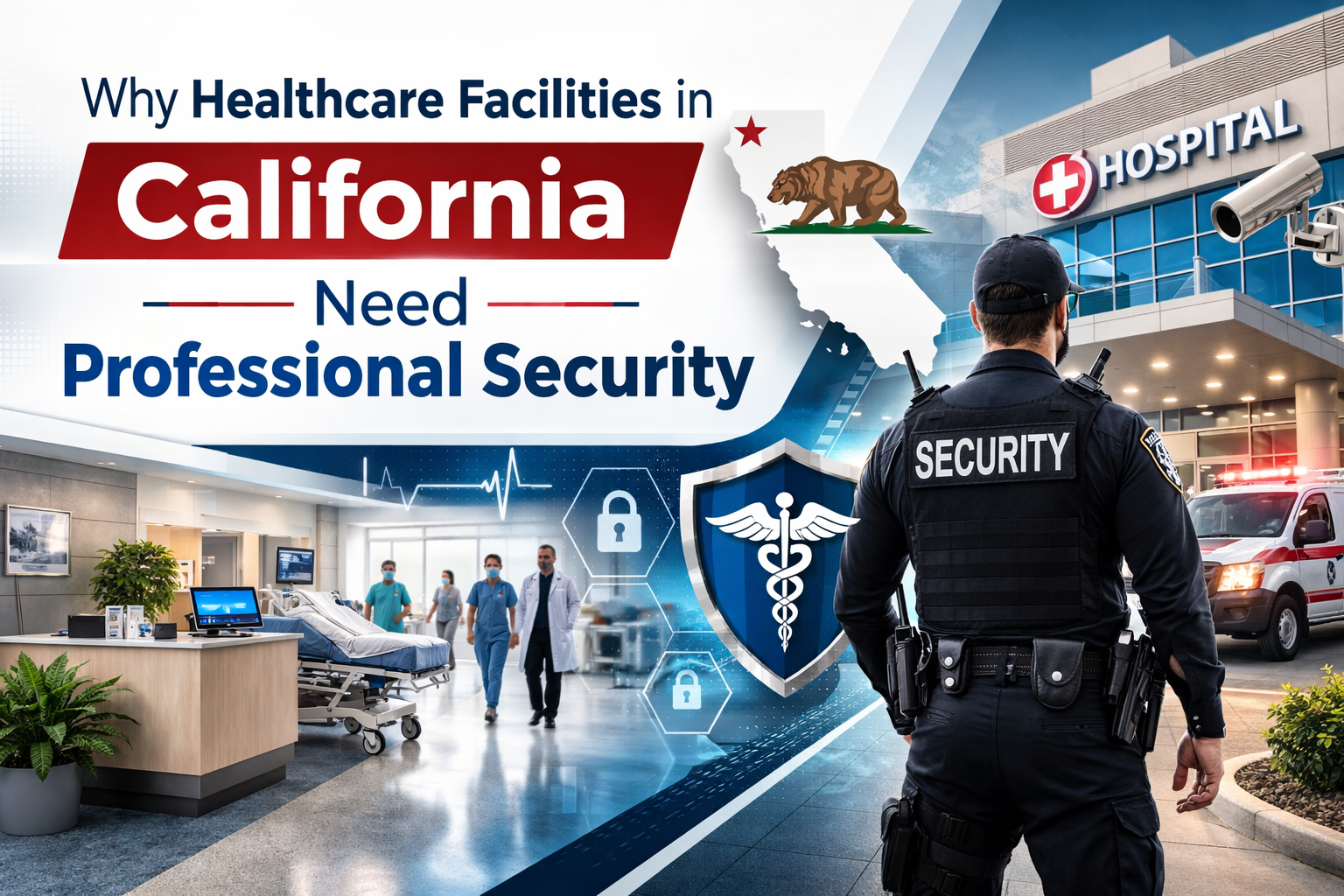
Why Healthcare Facilities in California Need Professional Security

professional-healthcare-security-services-california

In 2023, California healthcare organizations reported a noticeable rise in workplace violence, with hospital staff facing far higher assault risks than most other professions. Several major facilities also dealt with malicious software attacks that exposed thousands of patient records. These incidents are not distant headlines. They affect real doctors, nurses, patients, and families every day.

Healthcare facilities operate under constant pressure as they serve large communities, protect sensitive information, store controlled medications, and remain open around the clock. That reality creates serious challenges.

Professional protection is no longer a luxury; it is a necessity. Trusted healthcare security services in California must handle violence, privacy risks, and compliance challenges to protect healthcare facilities.

California’s Unique Security Challenges for Healthcare

California presents a different kind of security challenge for healthcare facilities. Hospitals often operate in busy urban areas with constant public access. Foot traffic never truly stops. Facilities must stay open and welcoming while also protecting patients and sensitive areas. That balance is not easy.

The state also has strict privacy laws and detailed workplace safety requirements. Healthcare leaders must think about compliance just as much as physical safety. On top of that, California faces environmental risks like wildfires and earthquakes, which can disturb operations without warning.

Security planning here cannot be basic or generic. It must reflect local conditions, public exposure, and state regulations that shape how healthcare facilities operate every day.

Key Threats Demanding Professional Security

Healthcare facilities face both digital and physical risks. Each threat requires structured response protocols.

Cyber Threats and Data Breaches

Hospitals store sensitive patient data protected under federal and state privacy laws. Cybercriminals target medical institutions because patient data carries high black-market value. California healthcare systems have experienced ransomware attacks that interrupted operations for days.

Security extends beyond doors and gates. Physical access control prevents unauthorized individuals from reaching servers or restricted IT rooms. Professional medical facility security teams in California coordinate with IT departments to limit physical risks.

Physical Violence and Active Threats

Aggressive behavior remains a serious concern as emotional stress escalates quickly inside emergency rooms. Mental health crises can turn volatile. Law enforcement agencies continue to warn of potential active shooter threats nationwide.

Trained security guards use conflict resolution techniques first. They monitor behavioral warning signs and respond immediately when threats intensify.

Industry studies indicate a significant rise in reported assaults in healthcare settings over the past several years. Professional presence helps prevent conflict before it worsens.

Theft, Vandalism, and Drug Diversion

Opioid diversion remains a major issue. Controlled medications require strict tracking and restricted access. Without strong private security for healthcare facilities, insider theft becomes easier. Portable medical equipment also presents an opportunity for theft. Night shifts increase risk.

Insider Threats

Not every threat comes from outside. Unhappy employees or unauthorized staff access can create safety breaches. Professional security services include access badge monitoring and documented incident reporting.

California Regulations That Make Security Essential

California does not treat healthcare security as optional. The state enforces strict laws that focus on patient privacy and workplace safety. Healthcare administrators must meet both federal and state requirements. Failing to comply can result in heavy penalties, lawsuits, and reputational damage. Professional security plays a direct role in helping facilities meet these legal standards.

HIPAA and CMIA Compliance

The Health Insurance Portability and Accountability Act (HIPAA) is a federal law that protects sensitive patient health information across the United States. California goes even further with the Confidentiality of Medical Information Act (CMIA), which adds stricter state-level privacy protections.

These laws do not only apply to digital systems but also to physical access. Unauthorized individuals entering records rooms, server areas, or restricted treatment zones can create violations. Professional security teams help control entry points, monitor restricted areas, and maintain visitor management systems. Strong physical security supports privacy compliance.

Cal/OSHA Workplace Violence Requirements

The California Division of Occupational Safety and Health (Cal/OSHA) requires healthcare facilities to implement workplace violence prevention programs. Hospitals must identify potential hazards, document safety procedures, and provide employee training. Facilities must also maintain clear reporting systems for incidents.

Trained security guard teams in California hospitals help enforce these programs. They respond to aggressive behavior, document incidents accurately, and coordinate with management when safety risks arise. Their presence supports both prevention and compliance.

Senate Bill 81 (SB 81) and Patient Access Protections

Senate Bill 81 strengthens protections for immigrants seeking healthcare in California. It limits immigration enforcement access to non-public areas of healthcare facilities without a valid judicial warrant and restricts the sharing of confidential patient information, including immigration status. The law focuses on protecting privacy and ensuring patients feel safe seeking care.

Professional security providers help facilities follow these rules by managing access points, reviewing documentation when needed, and maintaining orderly operations. Their role supports patient privacy while ensuring the facility remains compliant with state law.

Benefits of Professional Security Services

Healthcare administrators often ask a simple question. Is professional security worth the investment? The answer becomes clear when reviewing operational outcomes.

24/7 Trained Protection

Professional security employs trained officers around the clock. They specialize in de-escalation, patient interaction, and emergency response. In-house staff cannot match this level of specialization without extensive training investment.

Technology Integration

Modern medical facility security solutions in California combine CCTV monitoring, controlled badge access, visitor management systems, and coordinated alarm response. These integrated systems strengthen access control, improve oversight, and support compliance with California privacy and safety regulations.

Measurable Risk Reduction

Security industry research indicates that structured violence prevention programs reduce incidents significantly. Professional guard presence avoids aggression and clear protocols reduce response time.

Financial Savings

Professional security reduces incidents, which lowers legal costs, insurance premiums, and theft losses. Facilities often see measurable returns through reduced drug diversion, fewer vandalism cases, better staff retention, and stronger patient satisfaction scores.

Peace of Mind

Security presence reassures patients and families. It protects frontline healthcare workers and strengthens public trust. Imagine a busy Los Angeles emergency room. A trained team of security guards monitors entrances, manages visitor flow, and intervenes early when tension rises. Staff focus on care instead of safety concerns. That peace of mind carries real value.

How to Choose the Right Security Partner in California

Selecting a provider requires careful assessment.

Look for:

  • Active BSIS licensing
  • Experience in healthcare environments
  • Familiarity with HIPAA and California privacy laws
  • Local operational presence
  • Custom security planning

Avoid providers offering generic commercial guard services without healthcare specialization. Professional private security for healthcare facilities must align with your operational goals, not just stand at entrances.

Frequently Asked Questions

1. How often should healthcare facilities conduct security risk assessments in California?
Healthcare facilities should conduct formal security risk assessments at least annually, with additional reviews after major incidents, renovations, regulatory updates, or changes in patient volume. Regular assessments help identify new weaknesses before they become serious risks.

2. Do smaller clinics need professional healthcare security services in California?
Yes. Small clinics, urgent care centers, and specialty practices face many of the same risks as large hospitals, including workplace violence, theft, and privacy exposure. Security solutions can be scaled based on size, patient traffic, and location.

3. What training should hospital security officers receive for healthcare environments?
Healthcare security officers should receive de-escalation training, crisis intervention skills, emergency response coordination, and patient-sensitive communication training. They must understand medical settings and respond calmly in high-stress situations.

4. Can professional security improve staff morale in healthcare facilities?
Yes. When healthcare workers feel safe at work, job satisfaction improves. A visible and responsive security presence reduces stress, lowers burnout related to safety concerns, and helps retain skilled medical professionals.

5. How quickly can a healthcare security plan be implemented in California?
Implementation timelines depend on facility size and complexity. Smaller clinics may deploy security services within days, while large hospitals may require phased rollouts that include staffing, training, and system integration over several weeks.

Conclusion

Healthcare facilities across California face rising violence, strict compliance mandates, and growing operational risks. Delaying action only increases exposure. Professional protection strengthens safety, supports regulatory alignment, and safeguards both staff and patients.

Trusted healthcare security services providers in California help prevent incidents and maintain a secure care environment. Strong security planning is not just about protection but about preserving trust and operational stability.

If your healthcare facility needs trusted protection, FalconX Security Services can deliver a customized assessment and practical strategy.
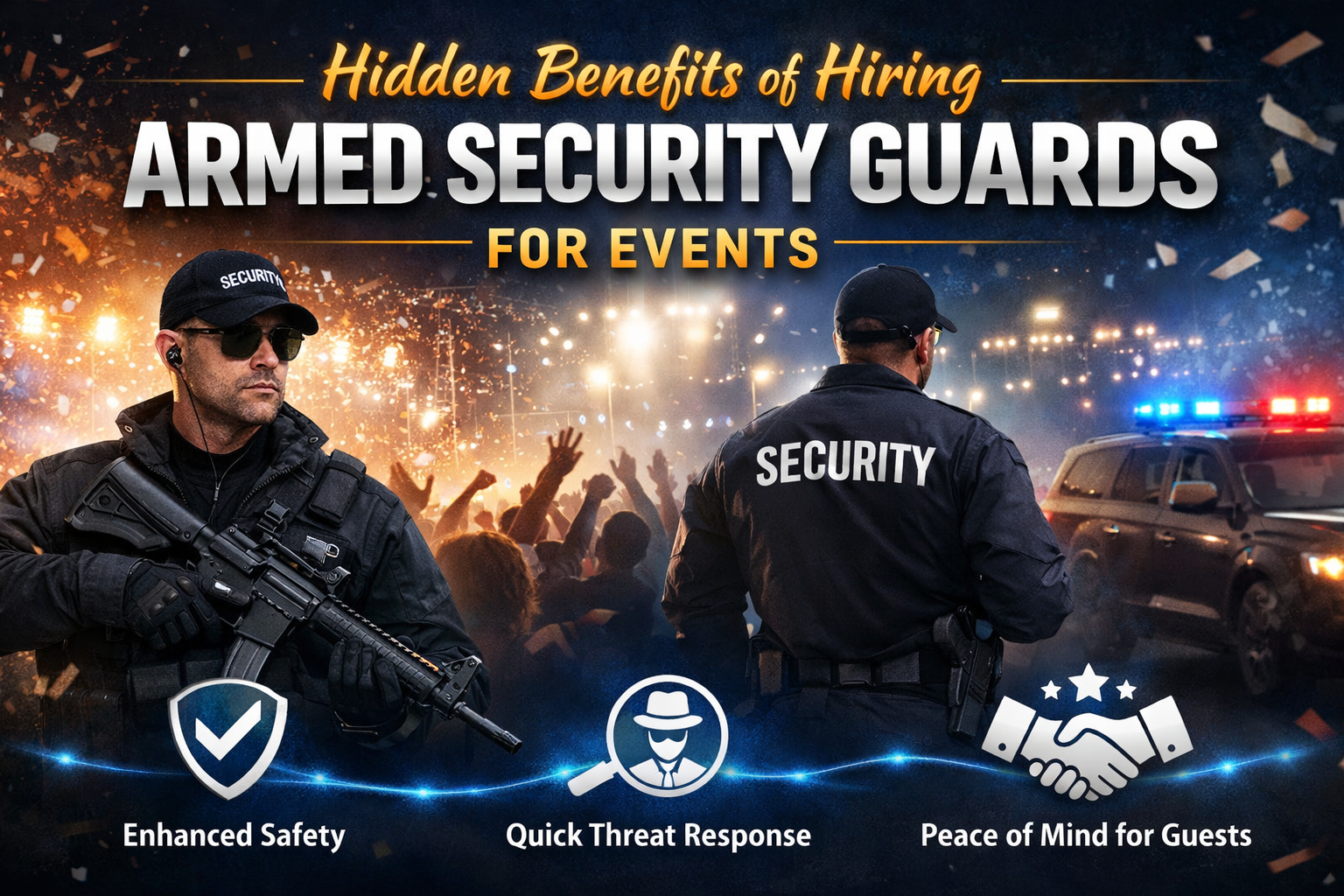
Hidden Benefits of Hiring Armed Security Guards for Events

Hiring Armed Security Guards for Events

Whenever people mention event security, they will primarily imagine emergency situations. That makes sense. However, when you are thinking of having armed security guards just because of the security of your events, then you are not seeing the whole picture.

Professional armed security is much more than just standing and watching. It quietly influences the feel of an event and the way in which it runs. Whether it is a small family event or a big business meeting, security services can provide advantages that are not easily felt until one has gone through it. Let’s break down what those hidden advantages really look like and why they matter.

Why Armed Security Changes the Atmosphere of an Event

People can read a room quickly. The moment guests arrive, they can sense whether an event is calm or chaotic. The presence of visible and well-trained armed security guards at events brings the immediate sense of order without saying a single word. Guests don’t feel watched. They feel reassured.

That assurance makes people concentrate on the event rather than survey the area. The discussion becomes easier, the guests feel more welcome, and the organizers are less stressed. Having armed professionals in the background silently works like good lighting or clear signage. You never realize it until it is gone.

How Armed Security Supports Event Planning and Execution

Confidence for Organizers and Event Teams

There is already so much pressure in event planning. Schedules change, vendors arrive late, guests arrive early, and decisions stack up fast. Security concerns can add mental weight that pulls attention away from the atmosphere you are trying to create.
Hiring armed event security services helps ease that burden. Trained guards handle access control, observe crowd behavior, and stay alert for early warning signs. That allows organizers to focus on coordination, pacing, and guest engagement instead of emergency planning. Confidence spreads quickly when the planning team feels supported, vendors work more smoothly, and staff communicate better. Calm leadership shapes the tone of the entire event.

Preparedness Without Panic

Emergencies rarely announce themselves. They often begin as small issues that blend into the background. The value of armed securitylies in preparation rather than reaction. Professional armed guards are trained to read situations early. They notice behavioral shifts, movement patterns, and emotional changes within a crowd. That awareness allows them to step in quietly before issues escalate.
This approach keeps situations controlled and hidden. Guests usually never realize a problem was avoided. Effective security works best when it protects the event without interrupting it.

Support for High-Visibility and High-Responsibility Events

Some events carry higher expectations by nature. Corporate functions, ticketed gatherings, private galas, and invitation-only events often involve valuable equipment or sensitive interactions.
In these situations, armed corporate event security provides accountability that matches the responsibility of the event itself. Armed guards understand protocol, discretion, and professional conduct. They balance authority with approachability, ensuring security never feels overpowering. Guests feel protected without feeling restricted, which helps maintain the atmosphere you intended.

Quick Response to Emergencies

When something unexpected does happen, response time matters. Armed guards are trained to act immediately rather than wait for outside assistance. Their presence allows situations to be addressed on-site, whether that means securing an area, assisting individuals, or coordinating next steps.
This immediate response helps prevent confusion and keeps disruptions under control. A steady response reassures guests and staff alike, reinforcing trust in the event’s organization.

Better Crowd Flow and Access Control

Security isn’t only about preventing incidents. It also shapes how people move through a space. Well-positioned armed security for private events helps manage entrances, exits, and internal crowd flow naturally. Guards guide guests calmly, reduce congestion, and keep pathways clear during busy moments.
Smooth movement reduces stress for everyone involved. Guests feel oriented, staff avoid confusion, and emergency access points remain open without drawing attention.

Prevention of Theft and Vandalism

Events often include valuable equipment, temporary installations, and personal belongings. Even small losses can disrupt operations and create unnecessary stress.
The visible presence of armed security guards discourages fraudulent behavior. Guards monitor sensitive areas, oversee loading zones, and remain attentive in high-traffic spaces. This proactive approach reduces incidents without creating a restrictive environment, allowing the event to continue smoothly from start to finish.

Legal Awareness and Risk Management

Professional armed guards operate within defined legal and procedural frameworks. This matters more than many organizers expect. Licensed armed event security teams understand local regulations, reporting requirements, and use-of-force boundaries. Their involvement demonstrates responsible planning and necessary caution, which can support risk management if questions arise later.
Security planning doesn’t end when the event concludes. Proper documentation and professional conduct also help protect organizers after the event is over.

How Armed Security Adapts to Different Event Types

Every event has its own rhythm, layout, and audience expectations. Armed security for events is planned around these differences rather than applied in a fixed or generic way.

  • Private and invitation-only events
    Security planning focuses on controlled access, privacy, and guest comfort. Guards remain alert while positioning themselves carefully, allowing the event to feel personal and relaxed without unnecessary visibility.
  • Business and professional gatherings
    At formal functions, armed security supports established schedules, speaker movement, and restricted areas. The presence of trained personnel aligns with professional protocols and helps maintain order throughout the event.
  • Large or public-facing events
    Events with higher attendance require broader coordination. Security teams adjust positioning and movement to manage crowd flow, entry points, and shared spaces, especially during peak arrival or transition periods.
  • Events operating under regional regulations
    In locations with specific compliance requirements, security procedures are adapted to meet local standards while maintaining consistency and control. This makes sure coverage remains effective without affecting the event environment.

This adaptive approach allows security coverage to support different event types while respecting their unique atmosphere and operational needs.

A Sense of Trust That Extends Beyond the Event

People remember how an event made them feel. Safety plays a big role in that memory, even when it goes unnoticed.

When guests feel secure, they associate that comfort with the host, the brand, or the organization behind the event. Trust builds quietly. That trust encourages repeat attendance, positive word-of-mouth, and stronger long-term relationships.That’s one of the most overlooked benefits of hiring armed security for events. The impact continues long after the venue clears.

Understanding When Armed Security Is the Right Fit for an Event

The requirements of event security depend on the size, visibility, and accountability. Unarmed security is good in some events or occasions, whereas in others, a higher level of preparedness is needed. The decision depends on the structure of the event and not a single approach that works in all cases.

Unarmed security is usually involved in assisting guests, access guidance, and overall monitoring. These services are significant in ensuring order and guest experience. Armed security provides an additional level where there are bigger crowds, higher-profile attendees, assets of high value, or where risk factors are more extreme.

Armed security guards undergo training on how to deal with more serious scenarios yet remain calm and professional. They are involved with preparedness, prevention, and rapid reaction, as opposed to constant intervention.

Armed event security services are used in specific settings to synchronize security planning with the magnitude and anticipations of the event. This is not the case since organizers might select this level of protection not due to their expectations in case of issues, but rather because they would like their security strategy to be aligned to the complexity and responsibility of the event.

In the case of complex or high-profile events, armed security will match the plan with the scale and expectations of the event. The object is not to interfere but to be in silent readiness so that the event can get away without any trouble to the end.

FAQs

When should an event consider hiring armed security guards?
Events with large crowds, high-profile guests, valuable assets, or limited access points often benefit from armed security due to the added preparedness and authority.

Is armed security suitable for private events?
Yes. Private event armed security is often used for invitation-only gatherings, celebrations, and exclusive functions where privacy and controlled access are important.

How does armed security affect guest comfort?
When handled professionally, armed security increases comfort by creating a visible sense of order without disrupting the event experience.

Are armed security services legal for events in California?
Yes. Licensed armed event security California providers operate under state regulations and carry proper certifications and training.

Do armed guards only respond to emergencies?
No. Much of their work involves prevention, observation, access control, and maintaining calm, organized environments throughout the event.

Final Thoughts

Hiring armed security for events is not about expecting problems. It is all about responsible planning and making sure people feel secure, relaxed, and concentrated on the experience itself.

From smoother operations to stronger crowd control and quiet prevention, armed security supports every phase of event planning and execution. When security works as intended, it becomes part of the structure that allows an event to succeed without drawing attention to itself.

For events that demand reliability, professionalism, and calm control, working with experienced providers like FalconX Security Services helps ensure safety supports the event rather than overshadowing it.