Archives 2025

What are the Advantages And Disadvantages of Security Guard

Advantages of security guards include deterrence of crime and quick response to emergencies. However, disadvantages may include high costs and the potential for security guard misconduct.

In today’s unpredictable world, the presence of security guards can provide a sense of safety and security to individuals and businesses alike. Security guards are trained to prevent theft, vandalism, and unauthorized access, making them a valuable asset in maintaining a secure environment.

Additionally, their ability to respond swiftly to emergencies such as fires or medical incidents can save lives and minimize damages. On the flip side, the expenses associated with hiring security guards can be significant, especially for small businesses or individuals. Moreover, there is a risk of security guard misconduct, which can tarnish a company’s reputation and lead to legal repercussions. Despite these drawbacks, the advantages of having security guards often outweigh the disadvantages, making them a crucial component of comprehensive security measures.

The Role Of Security Guards

Security guards play a crucial role in safeguarding premises, assets, and individuals. Their presence deters criminal activities and provides a sense of security to occupants. Let’s delve into the specific responsibilities and the advantages and disadvantages associated with the role of security guards.

Guarding Premises Against Unauthorized Access

One of the primary responsibilities of security guards is to prevent unauthorized access to the premises. They patrol the area, verify the identity of individuals, and enforce access control measures. This proactive approach helps in maintaining a secure environment, reducing the risk of theft, vandalism, and unauthorized entry.

Monitoring Surveillance Equipment

Security guards are tasked with monitoring surveillance equipment to ensure the safety and security of the premises. By keeping a close watch on the surveillance feeds, they can quickly identify and respond to any suspicious activities or security breaches. This proactive monitoring contributes to the overall safety and protection of the premises and its occupants.

Advantages Of Hiring Security Guards

Security guards offer a range of advantages to businesses and individuals alike. These benefits include improved safety, reduced crime, and increased peace of mind. However, it’s important to consider the potential disadvantages of security guards, such as high costs and the potential for abuse of power.

Immediate Response To Security Issues

One of the key advantages of hiring security guards is their ability to provide an immediate response to security issues. In the event of an emergency or any suspicious activity, security guards are trained to take prompt action, ensuring the safety and well-being of everyone on the premises.

With their presence, security guards act as a deterrent to potential criminals. Their visibility alone can discourage criminal activities such as theft, vandalism, and trespassing. Knowing that there are security guards on site, criminals are less likely to target the premises, reducing the risk of any security breaches.


Deterrence Of Criminal Activities

Having security guards on duty can significantly deter criminal activities. Criminals are less likely to attempt any illegal actions when they see security personnel patrolling the area. The mere presence of security guards creates a sense of authority and vigilance, making it harder for potential wrongdoers to carry out their plans.

Moreover, security guards are trained to identify suspicious behavior and respond accordingly. They are skilled at assessing potential threats and taking proactive measures to prevent any criminal activities from escalating. By being vigilant and proactive, security guards contribute to maintaining a safe and secure environment for everyone.

Sense Of Security For Employees And Customers

Another advantage of hiring security guards is the sense of security they provide for both employees and customers. Knowing that there are trained professionals safeguarding the premises, employees can focus on their work without constantly worrying about their safety.

Customers also feel more at ease when they see security guards present in a business establishment. This sense of security helps to build trust and confidence, encouraging customers to visit the premises and engage in business transactions. The presence of security guards can enhance the overall customer experience, making them feel valued and protected.

In conclusion, hiring security guards offers numerous advantages, including immediate response to security issues, deterrence of criminal activities, and a sense of security for employees and customers. Their presence not only helps to prevent security breaches but also creates a safe and welcoming environment for everyone involved.

Enhanced Customer Service

Security guards play a vital role in maintaining safety and security in various establishments such as malls, hospitals, offices, and schools. In addition to preventing crimes, security guards also provide enhanced customer service. Here are some of the advantages and disadvantages of security guards.

Assisting With Directions

One of the benefits of having security guards in establishments is that they can assist customers with directions. They are familiar with the layout of the premises and can guide customers to different areas of the building. This service not only improves customer experience but also helps to reduce the number of lost customers.

Helping In Emergency Situations

In emergency situations such as fire outbreaks or medical emergencies, security guards can be the first line of response. They are trained to handle such situations and can provide immediate assistance to those in need. Their quick response can help to prevent injuries and save lives.

Ensuring A Safe Environment

Security guards are responsible for ensuring a safe environment by monitoring the premises and identifying potential security threats. They can also identify suspicious individuals and prevent them from causing harm. This service is particularly important for establishments that are prone to criminal activities such as theft and vandalism.

Disadvantages Of Security Guards

Although security guards offer numerous benefits, there are also some disadvantages to consider. One of the main drawbacks is the cost. Hiring security guards can be expensive, especially for small businesses. Additionally, security guards may not always be effective in preventing crimes and may even contribute to the problem if they are not properly trained.

Overall, security guards provide enhanced customer service by assisting with directions, helping in emergency situations, and ensuring a safe environment. However, the cost and effectiveness of security guards should be carefully considered before hiring them.

Disadvantages Of Relying On Security Guards

While security guards play a crucial role in protecting individuals and assets, it’s important to acknowledge the potential disadvantages that come with relying solely on their services. This section explores three key drawbacks that businesses and individuals should consider when employing security guards. By understanding these disadvantages, you can make an informed decision about your security needs.

High Cost Of Employment

Hiring security guards can be a costly endeavor for businesses. Not only do you need to consider the wages of the guards themselves, but there are also additional expenses such as insurance, training, and equipment. This financial burden can be particularly challenging for small businesses or individuals with limited budgets.

Potential For Misuse Of Power

Like any position of authority, security guards have the potential to misuse their power. While the majority of guards are professional and ethical, there have been cases where individuals in this role have engaged in misconduct or abuse. This can tarnish the reputation of your business and compromise the safety and well-being of those under their protection.

Limits Of Physical Presence

While the physical presence of security guards can be reassuring, it’s important to remember that they cannot be everywhere at once. Depending solely on guards may create a false sense of security, as they may not be able to respond to incidents in a timely manner or cover all vulnerable areas simultaneously. This limitation could leave gaps in your security system, potentially putting your assets or individuals at risk.

Technology Integration

Technology Integration plays a crucial role in enhancing the effectiveness of security guards.

Combining Human Vigilance With Technological Tools

offers numerous advantages. Security guards can leverage modern technology to monitor larger areas more efficiently.

By incorporating surveillance cameras, drones, and access control systems, security guards can enhance their surveillance capabilities.

Challenges In Adapting To New Technology

may arise due to the need for training and integration of these tools with existing security protocols.

Ensuring seamless communication between security personnel and technological devices is essential to maximize security measures. Real-time monitoring through technology enables quicker responses to potential threats.

While technology integration offers advantages, security guards must overcome resistance to change and potential technological failures that could compromise security measures.

Security Guard Training And Regulations

Security guard training and regulations provide a sense of safety in various settings. Advantages include crime prevention and quick response to emergencies. However, disadvantages may arise from lack of proper training and potential misuse of authority. It is essential for security guards to undergo thorough training to ensure they can effectively protect and serve.

Security guard training and regulations are vital components in ensuring effective security measures. Security guards are responsible for maintaining the safety of people and property, and as such, they require extensive training to acquire the necessary skills and knowledge to perform their duties effectively. In this section, we will explore the importance of continuous training and regulatory compliance and standards for security guards.

Importance Of Continuous Training

Continuous training is crucial in ensuring that security guards remain up-to-date with the latest security threats and trends. Security threats are constantly evolving, and security guards need to be equipped with the necessary knowledge and skills to handle them effectively. Continuous training also helps security guards to improve their communication and conflict resolution skills, which are essential in their line of work.

Regulatory Compliance And Standards

Security guard agencies are required to comply with various regulations and standards to ensure that they provide quality security services. These regulations and standards are put in place to protect the public and ensure that security guards are properly trained and equipped to handle security issues. Some of the regulations and standards that security guard agencies must adhere to include:

  • Licensing requirements
  • Minimum training requirements
  • Background checks and drug testing
  • Code of conduct and ethics

Non-compliance with these regulations and standards can result in penalties and legal action, and can also compromise the safety and security of people and property. In conclusion, security guard training and regulations are critical components in ensuring effective security measures. Continuous training helps security guards to remain up-to-date with the latest security threats and trends, while regulatory compliance and standards ensure that security guard agencies provide quality security services.

The Psychological Impact On Security Guards

Security guards play a crucial role in maintaining safety and security in various environments. However, the nature of their job can have a significant impact on their psychological well-being. Understanding the psychological effects of being a security guard is essential for addressing the challenges they face and providing the necessary support.

Stress And Responsibility

Security guards often experience high levels of stress due to the responsibility placed on them to ensure the safety of people and property. The constant vigilance and potential threat of encountering dangerous situations can take a toll on their mental health. Moreover, the unpredictability of their work environment adds to the stress they experience, making it essential to recognize and address the psychological impact of their role.

The Need For Support And Counseling

Security guards require adequate support and access to counseling services to help them cope with the psychological challenges they face. Providing them with the necessary resources to address their mental well-being is crucial for ensuring they can perform their duties effectively. By acknowledging the psychological impact of their role and offering support, organizations can enhance the overall well-being of their security guards and improve the quality of security services provided.


Future Trends In Security Guard Services

Adoption Of Artificial Intelligence

As technology continues to advance, the security industry is witnessing a significant shift towards the adoption of artificial intelligence (AI) in security guard services. AI-powered surveillance systems and automated monitoring tools are being increasingly utilized to enhance the effectiveness of security operations. The utilization of AI enables real-time analysis of vast amounts of data, enabling security personnel to identify potential threats and respond promptly.

Shift Towards More Integrated Security Solutions

Another notable trend in the security guard services sector is the shift towards more integrated security solutions. Rather than relying solely on traditional security measures, organizations are now embracing a more holistic approach by integrating physical security measures with cybersecurity protocols and advanced technology. This integrated approach ensures comprehensive protection, addressing both physical and digital threats, thereby enhancing overall security effectiveness.

Frequently Asked Questions

What Are The Disadvantages Of A Security Guard?

The disadvantages of a security guard include limited authority, potential for misconduct, high turnover rates, and the cost of hiring and training. They may also face dangerous situations and work long hours.

What Is The Advantage Of Being A Security Guard?

Being a security guard offers the advantage of job stability, as there is always a demand for security services. It also provides the opportunity to work in different environments and interact with diverse groups of people. Additionally, security guard training can lead to career advancement and higher salaries.

What Is The Advantage Of Guard?

The advantage of a guard is increased security and protection for people and property. Guards provide a physical presence that deters potential threats and can respond quickly to any incidents that may occur. Their presence helps create a safe environment and gives peace of mind to individuals and businesses.

What Are The Advantages Of Personal Security?

Personal security provides peace of mind, protects against theft, ensures safety, and promotes well-being. It also prevents crime and allows for independence and freedom.

Conclusion

Security guards provide a visible deterrent to potential criminals. They can also respond quickly to emergencies and provide a sense of safety to people. However, the cost of hiring security guards can be high, and there is no guarantee of complete security.

It’s important to carefully weigh the advantages and disadvantages before making a decision.
How Much Does a Security Guard Rate Per Hour

A security guard rate per hour typically ranges from $12 to $25, depending on location and experience. Security guard rates can vary based on factors like location and level of experience.

When considering hiring a security guard, it’s essential to understand the typical hourly rates to budget effectively and ensure you are receiving quality service. Whether you need security for an event, property, or business, knowing the average hourly rate for security guards in your area can help you make informed decisions.

By understanding the cost associated with hiring a security guard, you can better plan and allocate resources for your security needs.

Introduction To Security Guard Rates

When it comes to ensuring the safety and security of your premises, hiring a professional security guard is crucial. However, before you hire a security guard, it’s important to understand the factors that influence their hourly rates. By having a clear understanding of these factors, you can make an informed decision that suits your budget and security needs.

The Importance Of Security Guards

Security guards play a vital role in safeguarding your property, assets, and people. They act as a visible deterrent to potential criminals, ensuring a safe and secure environment for everyone. Whether you own a residential building, commercial establishment, or event venue, security guards provide a sense of protection and peace of mind.

Factors Influencing Hourly Rates

Several factors contribute to the hourly rates of security guards. It’s important to consider these factors when determining the budget for your security needs. Here are the main factors that influence security guard rates:

  1. Experience and Training: Security guards with extensive experience and specialized training often command higher rates. Their expertise and skills allow them to handle various security situations effectively.
  2. Location: The location of your premises also affects the hourly rates of security guards. Rates tend to be higher in urban areas compared to rural areas due to the higher demand and cost of living.
  3. Shift Timing: Security guards who work during night shifts or weekends may have higher rates due to the increased risk and inconvenience associated with these shifts.
  4. Level of Risk: The level of risk involved in the job also impacts the rates. High-risk environments, such as construction sites or high-profile events, may require security guards with specialized skills, resulting in higher rates.
  5. Additional Duties: Security guards who are responsible for additional duties, such as monitoring surveillance systems or conducting regular patrols, may charge higher rates.
  6. Contract Length: The duration of the security contract can also affect the rates. Longer-term contracts typically offer more favorable rates compared to short-term or one-time assignments.

By considering these factors, you can get a better understanding of the hourly rates for security guards and make an informed decision based on your specific security requirements and budget.

National Averages For Security Guard Pay

When it comes to the national averages for security guard pay, it’s essential to understand the varying rates across different states and the trends over the years. Security guard rates per hour are influenced by factors such as location, experience, and the specific duties required on the job. Let’s delve into the comparison across states and the trends over the years to gain a comprehensive understanding of security guard pay.

Comparison Across States

Security guard pay rates can significantly differ from state to state due to varying living costs, demand for security services, and state-specific regulations. Here’s a comparison of the average hourly rates for security guards in select states:

State Average Hourly Rate
California $15 – $25
Texas $12 – $20
New York $14 – $22
Florida $11 – $18

Trends Over The Years

Over the years, the average pay for security guards has shown a steady increase, reflecting the growing demand for security services and the importance placed on maintaining safe environments. The following trends have been observed in security guard pay:

  • Steady annual increase in average hourly rates
  • Shift towards offering higher wages to attract and retain skilled security professionals
  • Emphasis on specialized training and certifications leading to higher pay opportunities

Types Of Security Guards And Their Rates

Security guard rates per hour vary based on their type of expertise. Unarmed guards can charge between $10 to $20 per hour, while armed guards can earn $20 to $50 or more per hour. The rates may also vary based on location, experience, and specific job requirements.

When it comes to hiring security guards, one of the most important factors to consider is the type of guard required. Different types of security guards have different skills, training, and experience, which translates to varying rates. In this post, we will explore the different types of security guards and their rates to help you make an informed decision.

Unarmed Vs. Armed Guards

Unarmed guards are security personnel who do not carry any weapons, while armed guards carry firearms. The type of guard needed depends on the level of security required for the premises. Unarmed guards are suitable for places where the threat level is low, such as offices, hospitals, and schools. On the other hand, armed guards are necessary for high-risk premises such as banks, jewelry stores, and high-security facilities. The rates for unarmed guards vary from $15 to $25 per hour, while armed guards’ rates range from $30 to $50 per hour. The cost of armed guards is significantly higher due to the higher level of training and experience required to handle firearms.

Specialized Security Personnel

Some premises require specialized security personnel with specific skills and training. For example, event security guards require skills in crowd control, access control, and emergency response. Similarly, executive protection guards require specialized training in close protection, surveillance, and threat assessment. The rates for specialized security personnel are higher than those of unarmed guards, ranging from $30 to $100 per hour. The cost of specialized security personnel reflects the higher level of expertise, training, and skills required to carry out their duties effectively. In conclusion, the rates for security guards vary depending on the type of guard required. Unarmed guards have lower rates compared to armed guards and specialized security personnel. When hiring security guards, it is essential to assess the level of security required for the premises to determine the type of guard needed.

Industry Impact On Security Guard Wages

Understanding the factors that influence security guard wages is crucial for both job seekers and employers in the security industry. Various factors, such as the type of security role and the industry in which it operates, can significantly impact the hourly rates that security guards can command. In this article, we will explore the industry impact on security guard wages, focusing on the corporate vs. retail security and event security and personal bodyguards.

Corporate Vs. Retail Security

When it comes to security guard wages, the type of security role plays a crucial role. Corporate security guards, who typically work in office buildings, tend to earn higher hourly rates compared to retail security guards who work in shopping malls or retail stores. This is primarily due to the higher level of responsibility and specialized skills required in corporate security roles.

In addition to the difference in job responsibilities, corporate security guards often receive additional benefits such as health insurance, retirement plans, and paid time off. These factors contribute to the higher overall compensation package for corporate security guards.

On the other hand, retail security guards focus on preventing theft, vandalism, and maintaining order within the retail environment. While their hourly rates may be lower compared to corporate security guards, they often have more flexible work schedules, including evening and weekend shifts, which can be attractive to individuals seeking part-time or flexible employment.


Event Security And Personal Bodyguards

Event security and personal bodyguards represent another sector within the security industry that commands different hourly rates. Event security guards are responsible for ensuring the safety and security of attendees at concerts, festivals, sporting events, and other large gatherings. Due to the nature of their work, event security guards often work irregular hours, including nights and weekends.

The hourly rates for event security guards can vary significantly depending on the scale and complexity of the event. Major events with high-profile attendees or increased security requirements may command higher rates compared to smaller local events.

Personal bodyguards, also known as close protection officers, provide security and protection to individuals, including celebrities, executives, and high-net-worth individuals. The hourly rates for personal bodyguards are typically higher compared to other security roles due to the specialized training, skills, and level of responsibility required. Personal bodyguards often work closely with their clients, providing 24/7 protection and ensuring their safety in various environments.

In conclusion, the industry in which security guards operate has a significant impact on their hourly rates. Factors such as the type of security role, such as corporate vs. retail security, and the specialized nature of roles like event security and personal bodyguards, contribute to the variations in wages within the security industry.

Calculating The True Cost Of Hiring Security

Understanding the full cost of hiring security guards goes beyond just the hourly rate. It involves considering additional expenses, whether to opt for contract or full-time guards, and other factors that impact the overall budget.

Additional Expenses

When calculating the true cost of hiring security, it’s crucial to account for additional expenses such as:

  • Uniforms and equipment
  • Training and certification
  • Insurance coverage
  • Overtime pay

Contract Vs. Full-time Guards

Deciding between contract and full-time guards can significantly impact the overall cost. While contract guards may have a lower hourly rate, they often come with additional fees and may not provide the same level of commitment as full-time guards.

On the other hand, full-time guards typically have a higher hourly rate but offer more stability and loyalty to the job.

Negotiating Rates With Security Firms

Discovering the ideal security guard rate per hour involves negotiating rates with security firms. Factors such as experience, location, and specific requirements play a crucial role in determining the final hourly rate. Conducting thorough research and engaging in open communication with security providers can lead to mutually beneficial agreements.

When it comes to hiring security guards, one of the most critical factors is negotiating the rates with security firms. The rate per hour can vary depending on the type of service you require, the location, and the level of experience of the security guard. But don’t worry; you can always negotiate the rate to fit your budget. Below are some tips for cost-effective hiring and understanding contract terms.

Tips For Cost-effective Hiring

Here are some tips to keep in mind while negotiating rates with security firms:

  • Be clear about your requirements: The more specific you are about your needs, the easier it is for the security firm to provide you with an accurate quote.
  • Get multiple quotes: Don’t settle for the first quote you receive. Shop around and compare prices from different security firms to find the best deal.
  • Consider the experience level: Experienced security guards may charge more, but they can also provide better quality service. Consider your needs and budget to determine the level of experience you require.
  • Ask about discounts: Some security firms may offer discounts for long-term contracts or bulk hiring. Don’t be afraid to ask if there are any discounts available.

Understanding Contract Terms

Before signing a contract with a security firm, make sure you understand the terms and conditions. Here are some key factors to consider:

Term Explanation
Scope of services Make sure the contract clearly outlines the services that will be provided, including the number of security guards, their duties, and their hours of work.
Duration of the contract Determine the length of the contract and any renewal options. You may be able to negotiate a better rate for a longer-term contract.
Payment terms Understand the payment terms, including the rate per hour and the frequency of payment. Some security firms may require a deposit or upfront payment.
Termination clause Make sure you understand the conditions for terminating the contract, including notice periods and any penalties.

By following these tips and understanding the contract terms, you can negotiate the best rate for your security needs while ensuring quality service.

Legal And Insurance Considerations

When hiring a security guard, it’s crucial to consider the legal and insurance aspects to ensure compliance and protection. Understanding liability insurance and adhering to local laws are essential to avoid potential risks and liabilities.

Liability Insurance

Security guard service providers should have adequate liability insurance to cover any potential incidents or accidents that may occur during their duties. This insurance protects both the security guard and the client from financial liabilities in the event of property damage, bodily injury, or other related claims.

Compliance With Local Laws

It’s imperative for security guard services to comply with local laws and regulations regarding licensing, training requirements, and operational guidelines. Failure to comply with these laws can result in legal consequences, fines, or even the suspension of the security guard service.

Future Of Security Guard Employment

The future of security guard employment is being shaped by various factors, including technological advancements and the potential for rate changes. As the industry evolves, it’s essential to understand how these elements are likely to impact the rates and demand for security guards in the coming years.


Technological Advancements

Technological advances in the security industry are revolutionizing the way security services are delivered. With the integration of smart surveillance systems, drones, and biometric access control, the role of security guards is becoming more specialized and tech-driven. This shift towards advanced technology is not only improving the efficiency of security operations but also impacting the skill sets required for security guard employment.

Predicting Rate Changes

Predicting the future rates for security guards is a complex task, influenced by a range of factors such as inflation, market demand, and technological advancements. As the industry adapts to new technologies, there is a possibility of fluctuations in the hourly rates for security guards. Anticipating these changes and staying updated with industry trends will be crucial for both employers and security guard professionals.


Frequently Asked Questions

What Is The Highest Pay For A Security Guard?

The highest pay for a security guard varies, but it can range from $40,000 to $80,000 per year, depending on factors such as experience, location, and job responsibilities.

How Much Do Armed Guards Make In Texas?

Armed guards in Texas earn an average hourly wage of $15. 58. However, the salary varies depending on the employer, experience, and location. Some armed guards in Texas can earn up to $24 per hour.

What Is A Typical Day For A Security Guard?

A typical day for a security guard involves monitoring premises, patrolling assigned areas, and ensuring safety. They may also check for unauthorized access and respond to alarms or emergencies. Additionally, they may document incidents and communicate with law enforcement or emergency services when necessary.

How Much Do Commissioned Security Officers Make In Texas?

Commissioned security officers in Texas typically earn an average salary of around $33,000 to $45,000 per year.

Conclusion

The hourly rate for security guards varies based on factors such as location, experience, and responsibilities. It’s crucial for businesses to understand the market rates and consider the value of professional security services. By investing in qualified security personnel, companies can ensure the safety and protection of their assets.

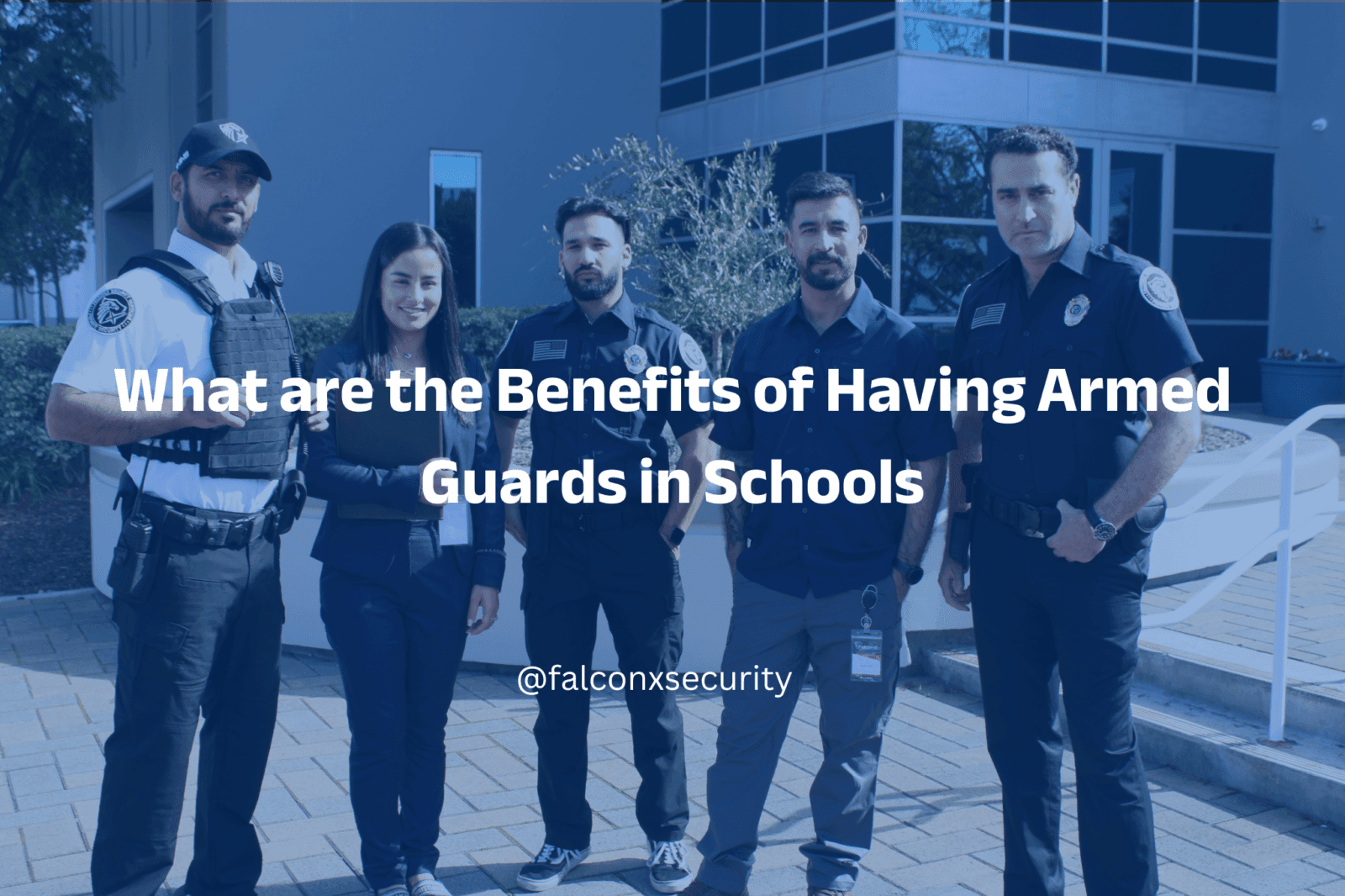
What are the Benefits of Having Armed Guards in Schools

Having armed guards in schools enhances security and deters potential threats, ensuring the safety of students and staff. Armed guards play a crucial role in creating a secure environment in schools.

Their presence can prevent incidents of violence and quickly respond to emergencies, providing a sense of protection for everyone on campus. Additionally, armed guards undergo rigorous training to handle dangerous situations effectively, further increasing the safety of the school community.

In today’s world, where school safety is a top concern, having armed guards can act as a proactive measure to safeguard against any potential risks. This proactive approach can reassure parents, students, and staff that their well-being is a top priority, fostering a conducive learning environment for all.

Introduction To School Safety

Armed guards in schools can provide a sense of security and deter potential threats. With their training and experience, they can respond quickly and effectively in dangerous situations, protecting the students and staff. The presence of armed guards can also serve as a warning to potential attackers, making schools less vulnerable to violence.

Growing Concerns About Violence

In recent years, there has been a growing concern about violence in schools. Parents, teachers, and students are increasingly worried about the safety and security of educational institutions. With incidents of school shootings and other forms of violence becoming more frequent, it has become imperative to find effective solutions to protect our children and ensure their well-being.

Evolving Strategies For Protection

As the threat of violence in schools continues to evolve, so do the strategies for protection. One approach that has gained traction in recent years is the use of armed guards. These trained professionals are present on school campuses to provide an extra layer of security, deterring potential threats and ensuring a safe learning environment for students and staff.

Having armed guards in schools offers a range of benefits that contribute to the overall safety and well-being of everyone involved. Let’s explore some of these advantages:

  1. Deterrence: The presence of armed guards acts as a deterrent to potential threats. Knowing that there are trained professionals on-site who can respond swiftly and effectively in case of an emergency can discourage individuals with malicious intent from targeting schools.
  2. Rapid response: In the unfortunate event of an incident, armed guards are equipped to respond quickly and efficiently. Their training enables them to assess the situation, de-escalate if possible, and take appropriate action to protect students and staff.
  3. Emergency preparedness: Armed guards are trained to handle emergencies and can assist in implementing emergency protocols. They can work in collaboration with school administrators and local law enforcement to ensure a coordinated and effective response in times of crisis.
  4. Safety reassurance: The presence of armed guards provides a sense of reassurance to students, parents, and staff. Knowing that there are dedicated professionals focused on their safety helps create a conducive learning environment, enabling students to concentrate on their studies without unnecessary worry or fear.
  5. Security expertise: Armed guards undergo rigorous training to develop the skills necessary to handle security-related challenges. They are well-versed in identifying potential threats, implementing security measures, and maintaining a vigilant watch over the school premises.

While the topic of having armed guards in schools remains a subject of debate, the benefits they offer in terms of school safety cannot be ignored. It is essential to consider all available options to ensure the protection of our children and promote a safe and nurturing educational environment.

The Role Of Armed Guards In Schools

Immediate Response Capabilities

Armed guards in schools provide immediate response capabilities in the event of a threat or emergency. Their presence ensures they are on-site and ready to respond swiftly to any potential dangers, minimizing the risk of harm to students and staff. This quick reaction can be critical in safeguarding the school community and providing a sense of security and protection.

Deterrent To Potential Threats

The presence of armed guards serves as a deterrent to potential threats, sending a clear message to any individuals contemplating harmful actions. Knowing that trained security personnel are present can dissuade potential perpetrators, reducing the likelihood of an incident occurring. This deterrent effect contributes to a safer and more secure school environment, promoting a sense of safety for everyone within the premises.

Enhanced Sense Of Security

Having armed guards in schools enhances the sense of security for students and staff. Their presence deters potential threats and ensures a safe learning environment. This proactive measure instills confidence and peace of mind in the school community.

Impact On Students’ Peace Of Mind

The presence of armed guards in schools can significantly enhance the sense of security for students. With increasing incidents of violence in schools, students may feel anxious and scared while attending classes. However, the presence of armed guards can create a safer environment, giving students a sense of protection and comfort. The mere presence of armed guards can act as a deterrent, preventing potential attackers from even attempting to commit a crime. This can lead to a more relaxed and peaceful environment for students, allowing them to focus on their studies and overall well-being.

Reassurance For Parents And Staff

Schools are not only responsible for the education of students but also for their safety and security. Parents and staff members place their trust in schools to provide a safe learning environment for their children. Having armed guards in schools can provide reassurance to parents and staff members that the school is taking necessary measures to ensure the safety of their children. This can lead to increased trust and confidence in the school’s ability to protect its students. Additionally, armed guards can also act as a resource for staff members to consult in case of any security concerns or emergencies. In conclusion, the enhanced sense of security provided by armed guards in schools can have a positive impact on students’ peace of mind and provide reassurance for parents and staff members. The benefits of having armed guards in schools extend beyond just the physical security aspect and can lead to a more relaxed and safe learning environment.

What are the Disadvantages of Being a Security Guard

Case Studies: Success Stories

Armed guards in schools provide a range of benefits, including enhanced safety measures and a deterrence to potential threats. Their presence ensures a secure environment, allowing students and staff to focus on learning and education.

Armed guards in schools have proven to be an effective measure in ensuring the safety of students and staff. Several case studies have highlighted the benefits of having armed guards on school premises, showcasing their ability to prevent incidents and effectively manage crises.

Prevented Incidents

Armed guards act as a deterrent to potential threats, significantly reducing the likelihood of incidents occurring on school grounds. Their presence alone serves as a powerful message that any attempt to harm students or disrupt the learning environment will be met with swift and decisive action.

One notable case study involved a high school in a crime-prone area. After the introduction of armed guards, the school experienced a sharp decline in incidents such as drug possession, fights, and vandalism. The mere sight of armed guards patrolling the hallways and monitoring entrances created an atmosphere of safety and security, dissuading troublemakers from engaging in harmful behavior.

In another instance, an armed guard stationed at an elementary school successfully prevented a potential mass shooting. Acting on a tip-off, the guard intercepted an armed individual attempting to gain access to the school premises. Through their quick thinking and training, the guards were able to apprehend the individual and neutralize the threat before any harm could be inflicted on innocent children.

Effective Crisis Management

In times of crisis, armed guards play a crucial role in maintaining order and ensuring the safety of everyone within the school. Their specialized training equips them with the necessary skills to handle high-stress situations and make split-second decisions that can save lives.

A case study conducted on a middle school revealed the effectiveness of armed guards in crisis management. During a lockdown situation caused by an armed intruder, the armed guards swiftly implemented their crisis response protocols. They coordinated with local law enforcement, communicated effectively with staff and students, and ensured a swift and safe evacuation of the premises. As a result, no casualties occurred, and the intruder was apprehended without incident.

Another success story involved an armed guard stationed at a high school during a natural disaster. When a severe storm hit the area, causing widespread panic and confusion, the armed guard took charge, providing clear instructions and maintaining a calm and orderly evacuation process. Thanks to their presence and leadership, all students and staff were safely evacuated, and no injuries were reported.

These case studies demonstrate the immense value of having armed guards in schools. By preventing incidents and effectively managing crises, armed guards contribute to a secure learning environment where students can thrive without the constant fear of violence or harm.

Training And Qualifications Of Armed Guards

Armed guards play a crucial role in ensuring the safety and security of schools. Proper training and qualifications of these guards are essential to effectively handle potential threats and emergencies.

Specialized Skill Sets

Armed guards possess specialized skill sets that enable them to respond swiftly and decisively to security incidents.

  • Mastery of firearms: Trained in the safe and proficient use of firearms
  • Conflict resolution: Equipped with conflict resolution techniques to de-escalate situations
  • Emergency response: Prepared to handle various emergency scenarios effectively

Continuous Education And Drills

Armed guards undergo continuous education and drills to enhance their skills and readiness.

  1. Regular training sessions: Keep guards updated on the latest security protocols
  2. Mock scenarios: Practice drills to simulate real-life security threats
  3. Refresher courses: Ensure guards maintain peak performance levels
What are the Benefits of Having Armed Guards in Schools

Challenges And Concerns

As school shootings continue to be a major concern in the United States, many schools are considering hiring armed guards as a way to increase safety and security. While this approach may seem like a logical solution, some several challenges and concerns must be addressed before implementing such a program.

Financial Implications

The cost of hiring armed guards can be a significant financial burden for schools, especially those in low-income areas. According to the National Center for Education Statistics, the average cost of hiring a full-time security officer is $42,000 per year. This cost can be even higher if schools decide to hire off-duty police officers or other law enforcement officials.

Furthermore, schools must also consider the cost of training these armed guards. Proper training is essential to ensure that these guards are equipped to handle emergencies and make split-second decisions. This training can include firearms training, de-escalation techniques, and crisis management.

Cultural And Community Resistance

Another concern with having armed guards in schools is the potential cultural and community resistance. Some argue that having armed guards can create a militarized atmosphere in schools and may make students feel unsafe or intimidated. Additionally, there may be cultural and religious objections to the presence of armed guards, particularly in schools with diverse student populations.

Schools need to consider these concerns and work with students, parents, and community members to address them. Open and honest communication can help ease fears and build trust between the school and the community.

Furthermore, schools must ensure that the armed guards they hire are trained in cultural competency and have the skills necessary to work with diverse populations. This can include training in de-escalation techniques, conflict resolution, and cultural sensitivity.

Alternative Measures For School Safety

When it comes to ensuring the safety of students and staff in schools, various alternative measures can be implemented alongside armed guards. These alternative measures encompass technological solutions and mental health initiatives, both of which play a crucial role in bolstering school safety.

Technological Solutions

Deploying advanced technological solutions such as surveillance cameras, access control systems, and emergency alert systems can significantly enhance the security infrastructure of schools. These technologies enable real-time monitoring, quick response to potential threats, and efficient communication during emergencies.

Mental Health Initiatives

Implementing mental health initiatives is vital in addressing the root causes of violence and ensuring a supportive environment for students. Counseling services, mental health education programs, and crisis intervention training for staff can help identify and support students who may be at risk, thereby preventing potential incidents.

The Future Of School Security

In the wake of increasing security concerns, the future of school security has become a paramount issue. One of the measures being considered and implemented is the deployment of armed guards in schools. This approach has sparked debates and discussions, with proponents highlighting the benefits it offers in enhancing the safety and security of students and staff.


Policy Implications

The introduction of armed guards in schools has significant policy implications. It involves the formulation and implementation of strict guidelines and protocols for the recruitment, training, and deployment of armed personnel within educational institutions. This requires collaboration between educational authorities, law enforcement agencies, and policymakers to ensure the effective integration of armed guards while maintaining a conducive learning environment.

Innovations In Safety Measures

With the inclusion of armed guards, schools are witnessing innovations in safety measures. This encompasses the utilization of advanced security technologies, such as surveillance systems, access control systems, and emergency communication tools. These innovations aim to create a comprehensive security infrastructure that works in conjunction with armed guards to mitigate potential threats and ensure a secure learning environment for students and staff.

Frequently Asked Questions

Why Should Schools Have Armed Security Guards?

Schools should have armed security guards to ensure the safety of students, staff, and faculty. With the increasing number of school shootings, having armed guards can act as a deterrent and provide immediate response in case of an emergency. It also provides a sense of security and peace of mind for parents and the community.

Why Should Security Guards Be Armed?

Security guards should be armed to protect themselves and others from potential threats. Armed guards can deter criminal activity and respond effectively in emergencies, ensuring the safety of the premises. Having armed guards can provide a higher level of security and peace of mind for the clients.

What Is The Advantage Of Being A Security Guard?

The advantage of being a security guard includes job stability, opportunities for career growth, and the ability to protect people and property. It also offers a sense of responsibility and the chance to contribute to the safety of the community.

What Are The Benefits Of School Safety?

School safety benefits include protecting students, staff, and visitors, creating a conducive learning environment, enhancing overall well-being, and preventing potential threats. Safe schools foster academic success and promote a sense of security for all stakeholders.

Conclusion

In light of the increasing security concerns in schools, the presence of armed guards offers a sense of safety and protection for students, staff, and parents. Their presence acts as a deterrent to potential threats, providing peace of mind and a secure learning environment.

With proper training and a focus on safety, armed guards can play a crucial role in preventing and responding to security incidents in schools.

What is the Difference between Security And Security Guard Brainly

Security refers to measures taken to protect against threats, while a security guard is an individual providing security services. Security encompasses various strategies and technologies to safeguard people, property, and assets from potential risks.

On the other hand, a security guard is a trained professional responsible for monitoring, patrolling, and enforcing security protocols. While security is a broader concept involving planning and implementation of protective measures, a security guard is a specific role within the security framework.

Understanding the distinction between security and security guards is crucial for ensuring comprehensive protection in various settings, such as commercial establishments, events, or residential areas. By recognizing the unique roles and responsibilities each plays, organizations can enhance their overall security posture and mitigate potential threats effectively.

The Essence Of Security

Security is a broad term that encompasses various aspects of protecting people, property, and information. A security guard is a person who provides protection and safety to individuals, businesses, and organizations. However, security is a much more comprehensive concept that involves technology, policies, and procedures to ensure safety and prevent threats.

When it comes to the safety and protection of people, assets, and property, security plays a crucial role. However, understanding the difference between security and security guard is essential. Let’s delve deeper into the concept of safety and protection, and explore the various forms security can take.

The Concept Of Safety And Protection

At its core, safety and protection are the fundamental aspects of security. Whether it is safeguarding individuals, preventing theft, or maintaining order, security aims to create an environment free from harm and potential risks. The concept of safety is all-encompassing and extends to various aspects of our lives.

When it comes to security, there are different forms it can take. Let’s explore the diverse aspects of security in various forms.

Security In Various Forms

1. Physical Security: This form of security focuses on securing physical spaces, such as buildings, properties, and premises. It involves the installation of surveillance systems, access control measures, and physical barriers to deter unauthorized access and protect against potential threats.

2. Information Security: In today’s digital age, protecting sensitive information is of utmost importance. Information security involves safeguarding data, networks, and systems from unauthorized access, data breaches, and cyber-attacks. This form of security requires robust cybersecurity measures, such as firewalls, encryption, and regular system updates.

3. Personal Security: Personal security revolves around ensuring the safety and well-being of individuals. It includes measures like personal alarms, self-defense training, and security escorts to protect individuals from potential threats, harassment, or physical harm.

4. Event Security: When it comes to organizing large-scale events, event security plays a vital role. Event security personnel are responsible for crowd control, ensuring the safety of attendees, and preventing any disruptions or incidents that may occur during the event.

5. Cybersecurity: With the increasing reliance on technology, cybersecurity is becoming increasingly crucial. It involves protecting computer systems, networks, and data from unauthorized access, malware, and other cyber threats. This form of security requires constant monitoring, regular software updates, and employee awareness training.

Each form of security serves a unique purpose and requires specialized knowledge and expertise. While security is the overarching concept, security guards play a significant role in implementing and maintaining security measures in various contexts.

Introducing The Security Guard

The role of a security guard is crucial in maintaining safety and security in various settings. From commercial buildings to residential complexes, security guards play a vital part in preventing security breaches and ensuring the well-being of individuals and property. Let’s delve into the specific roles and responsibilities, as well as the required training and skills for individuals aspiring to become security guards.

Roles And Responsibilities

Security guards are tasked with a multitude of responsibilities, including monitoring and patrolling assigned areas, maintaining order, and enforcing regulations. They also respond to emergencies, such as fires or medical incidents, and may be responsible for controlling access to a premise. Additionally, security guards are often required to write reports documenting any irregularities and suspicious activities.

Training And Skills Required

To become a security guard, individuals must undergo proper training to acquire essential skills. This typically includes learning about surveillance techniques, emergency response procedures, and conflict resolution. Furthermore, security guards need to possess strong communication skills to effectively interact with the public and law enforcement when necessary. Additionally, knowledge of legal regulations and the ability to remain calm under pressure are vital attributes for a successful security guard.

Breaking Down Security Types

Security is the practice of protecting people, assets, and information. However, there are different types of security that serve different purposes. In this article, we will break down the various types of security and examine their differences.

Physical Vs. Digital Security

Physical security refers to measures that are put in place to protect tangible assets, people, and infrastructure. This includes security guards, surveillance cameras, access control systems, and alarms. These measures are designed to prevent unauthorized access, theft, vandalism, and other physical threats.

Digital security, on the other hand, refers to measures that are put in place to protect digital assets, data, and information. This includes firewalls, antivirus software, encryption, and intrusion detection systems. These measures are designed to prevent unauthorized access, data theft, and cyber-attacks.

Public Vs. Private Security Measures

Public security measures are put in place by government agencies to protect citizens and maintain public order. This includes law enforcement agencies such as the police, military, and intelligence agencies. Public security measures are designed to prevent crime, terrorism, and other threats to public safety.

Private security measures are put in place by private organizations to protect their assets and interests. This includes security guards, surveillance systems, and access control systems. Private security measures are designed to prevent theft, sabotage, and other threats to business operations.

Physical Security Digital Security
Security guards Firewalls
Surveillance cameras Antivirus software
Access control systems Encryption
Alarms Intrusion detection systems
  • Physical security refers to measures that are put in place to protect tangible assets, people, and infrastructure.
  • Digital security refers to measures that are put in place to protect digital assets, data, and information.
  • Public security measures are put in place by government agencies to protect citizens and maintain public order.
  • Private security measures are put in place by private organizations to protect their assets and interests.
  1. Physical security measures include security guards, surveillance cameras, access control systems, and alarms.
  2. Digital security measures include firewalls, antivirus software, encryption, and intrusion detection systems.
  3. Public security measures include law enforcement agencies such as the police, military, and intelligence agencies.
  4. Private security measures include security guards, surveillance systems, and access control systems.


The Evolution Of Security Measures

The concept of security has undergone significant changes over time, with advancements in technology and the ever-growing need for enhanced safety. From the historical perspective to modern advancements, security measures have evolved to encompass a wide range of practices and tools. In this article, we will explore the difference between security and security guards, and how security measures have evolved over time.

Historical Perspective

In ancient times, security primarily relied on physical barriers such as walls, gates, and moats to protect individuals and property. Guards were stationed at strategic points to monitor and control access. As societies developed and the need for more sophisticated security arose, the role of security guards expanded. They became responsible for not only guarding physical locations but also maintaining order and ensuring the safety of individuals within those spaces.

During the industrial revolution, the rise of factories and industrial complexes introduced new security challenges. Security guards played a vital role in preventing theft, monitoring equipment, and maintaining discipline among workers. However, the limitations of human surveillance became evident as facilities grew in size and complexity.

Modern Advancements And Technology

The advent of modern technology has revolutionized the field of security. Today, security measures go beyond the presence of security guards. Advanced surveillance systems, access control systems, and biometric authentication have become integral parts of security protocols. These technological advancements provide a more efficient and comprehensive approach to safeguarding people, property, and information.

Surveillance systems equipped with high-definition cameras and artificial intelligence can monitor vast areas in real-time, detecting suspicious activities and alerting security personnel instantly. Access control systems allow for secure entry and exit, ensuring that only authorized individuals have access to restricted areas. Biometric authentication, such as fingerprint or facial recognition, adds an additional layer of security by verifying the identity of individuals.

Moreover, modern security solutions also include alarm systems, motion sensors, and cybersecurity measures to protect against physical and digital threats. These advancements have not only increased the effectiveness of security measures but also reduced the reliance on human intervention, thereby minimizing the risk of human error or negligence.

Comparison between Security and Security Guard
Security Security Guard
Encompasses a wide range of practices, technologies, and protocols aimed at ensuring safety and protection. Refers to individuals employed to provide physical security by monitoring and patrolling designated areas.
Includes surveillance systems, access control, biometric authentication, alarm systems, motion sensors, and cybersecurity measures. Relies on human presence and intervention to deter threats, respond to incidents, and maintain order.
Utilizes technology to enhance efficiency, accuracy, and coverage of security measures. Depends on the skills, training, and judgment of security guards.

In conclusion, the evolution of security measures has seen a shift from solely relying on security guards to incorporating advanced technologies and protocols. While security guards remain an essential component of physical security, modern security solutions provide a more comprehensive and efficient approach to safeguarding individuals, property, and information. By leveraging the benefits of technology, organizations can enhance their security measures and adapt to the ever-changing landscape of threats and risks.

Security Guards In The Security Ecosystem

Security Guards play a crucial role in the security ecosystem by ensuring the safety and protection of individuals and properties. They are the frontline defense against potential threats and risks.

Integration With Technology

Security Guards leverage advanced technologies like surveillance cameras and access control systems to enhance security measures.

Collaboration With Law Enforcement

Security Guards work hand in hand with law enforcement agencies to report incidents and maintain a safe environment.

Analyzing The Differences

Security encompasses a broader concept of safeguarding assets, while a security guard is an individual responsible for physical protection. The key distinction lies in the scope of protection offered, with security addressing comprehensive measures and security guards focusing on on-site monitoring and response.


Challenges In Security And Security Guard Roles

In the realm of security, both the overarching concept of security and the specific role of a security guard face a myriad of challenges. Understanding these challenges is crucial in ensuring that both security and security guard roles are effectively fulfilled in today’s ever-evolving landscape.

Facing Modern Threats

Today’s security landscape is marked by an array of modern threats that are constantly evolving and becoming more sophisticated. From cyber-attacks to physical breaches, security and security guard roles must adapt to the complexities of these modern threats. This necessitates a proactive approach to identifying and mitigating potential risks, ensuring that security measures are robust and resilient against emerging threats.

Adapting To New Technologies

The rapid advancement of technology presents a significant challenge for security and security guard roles. Embracing new technologies such as surveillance systems, biometric access control, and AI-powered threat detection tools is imperative for staying ahead of potential security breaches. However, this adaptation also requires continuous training and skill development for security guards to effectively utilize these technologies in safeguarding the premises they are entrusted to protect.

The Future Of Security And Security Guards

The future of security and security guards is rapidly evolving as technology continues to advance and the nature of threats becomes increasingly complex. It is crucial to understand the differences between security and security guards to anticipate the future trends and requirements in this industry. This will enable us to predict the changing landscape and prepare security professionals for the challenges ahead.

Predictions And Trends

As technology becomes more integrated into security systems, the future will see an increased reliance on AI-powered surveillance, drone patrolling, and biometric access control. This shift will lead to a more proactive and predictive approach to security, aiming to prevent threats before they occur.

Training And Education For Tomorrow

In the future, security guards will need to be equipped with advanced technical skills to operate and manage complex security systems. Training programs will focus on cybersecurity, data analysis, and advanced surveillance techniques to prepare security professionals for the evolving landscape of threats.

Frequently Asked Questions

What Is The Difference Between Security And Security Guard?

A security guard is a person hired to protect property and people, while security refers to measures and systems put in place to safeguard against threats. Security guards physically enforce security measures, while security encompasses a broader range of strategies and technologies.

What Is The Difference Between Safety Officer And Security Guard?

A safety officer ensures workplace safety by managing risks and hazards, implementing safety policies, and conducting safety training. A security guard, on the other hand, is responsible for preventing theft, vandalism, and other criminal activities. While both roles involve ensuring safety, they have distinct focuses and responsibilities.

What Is The Difference Between A Bodyguard And A Security Guard?

A bodyguard protects individuals, while a security guard protects property and premises. Both ensure safety.

What Makes A Security Guard?

A security guard is responsible for protecting people, property, and assets. They maintain a safe environment by monitoring surveillance equipment, patrolling areas, and enforcing rules. Additionally, they respond to emergencies, report incidents, and provide customer service when needed.

Conclusion

Understanding the difference between security and security guards is crucial for businesses and individuals. By knowing the distinctions, you can effectively utilize their services for your safety and protection needs. Whether it’s for securing your home or business premises, choosing the right option is essential for peace of mind.

So, always consider your specific security requirements before making a decision.

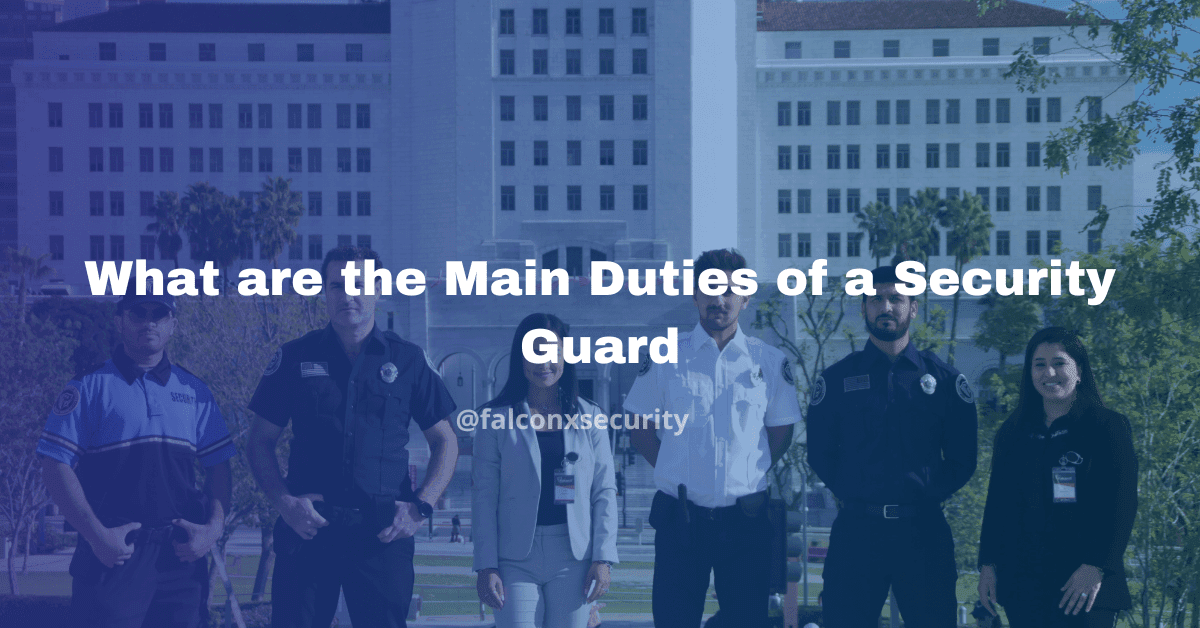
What are the Main Duties of a Security Guard

The main duties of a security guard include monitoring the premises and ensuring the safety of all individuals. Security guards also respond to emergencies and enforce regulations to prevent security breaches.

Security guards play a crucial role in maintaining safety and security in various settings. From retail stores to office buildings, security guards are tasked with monitoring activities, preventing theft, and responding to incidents promptly. Their presence deters potential criminal activities and provides peace of mind to employees, customers, and visitors.

By enforcing security protocols and conducting regular patrols, security guards help create a secure environment for everyone. In addition to their primary duties, security guards also assist with access control, emergency response, and incident documentation to ensure a proactive approach to security management.

The Role Of Security Guards In Today’s Society

The Role of Security Guards in Today’s Society

In today’s society, security guards play a crucial role in maintaining safety and order in various settings. From protecting individuals to safeguarding property, these professionals are responsible for ensuring a secure environment for everyone. Let’s take a closer look at the main duties of a security guard and how they have evolved.

A Brief History

Security guards have been around for centuries, with their origins dating back to ancient civilizations. In ancient Egypt, for example, guards were stationed at temples and palaces to protect valuable treasures and maintain order. Similarly, the Roman Empire employed security personnel to safeguard public spaces and ensure the safety of its citizens.

Evolving Responsibilities

Over time, the role of security guards has evolved to adapt to the changing needs of society. While their primary duty remains to prevent and respond to security breaches, their responsibilities have expanded to encompass a wide range of tasks. These include:

  1. Surveillance: Security guards monitor premises using CCTV cameras and other surveillance systems to detect any suspicious activities.
  2. Access Control: They control access to restricted areas, checking identification and ensuring only authorized individuals are allowed entry.
  3. Emergency Response: Security guards are trained to handle emergencies such as fires, medical incidents, or natural disasters, taking quick action to mitigate risks and protect lives.
  4. Patrols: They conduct regular patrols to deter criminal activity, inspecting areas for potential security vulnerabilities and reporting any irregularities.
  5. Customer Service: Security guards often serve as a point of contact for visitors, providing directions, answering questions, and offering assistance when needed.

Moreover, security guards may also be responsible for enforcing rules and regulations, diffusing conflicts, and liaising with law enforcement agencies when necessary. Their presence alone can act as a deterrent, discouraging potential wrongdoers from engaging in unlawful activities.

As society continues to face new security challenges, the role of security guards will likely continue to evolve. These professionals play a vital role in maintaining order, protecting lives and property, and ensuring the overall safety of individuals in various environments.

Key Responsibilities Of Security Guards

Security guards play a crucial role in maintaining safety and security in various environments. Their key responsibilities encompass a wide range of duties, including patrolling, monitoring, reporting incidents, and safeguarding the premises. Let’s delve into the specific key responsibilities of security guards to gain a better understanding of their vital role.

Patrol And Monitor

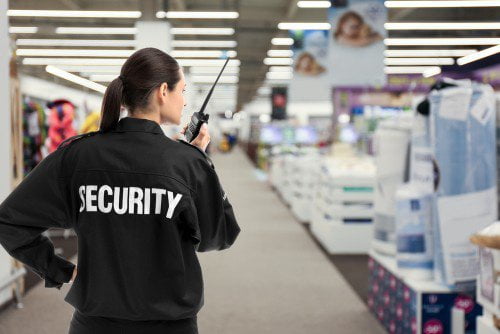
One of the primary responsibilities of security guards is to patrol designated areas to ensure the security of the premises. This involves conducting regular rounds to deter unauthorized activities and promptly respond to any security threats or breaches. Security guards are tasked with monitoring surveillance equipment, such as cameras and alarms, to maintain a vigilant presence and detect any suspicious behavior.

Report And Document Incidents

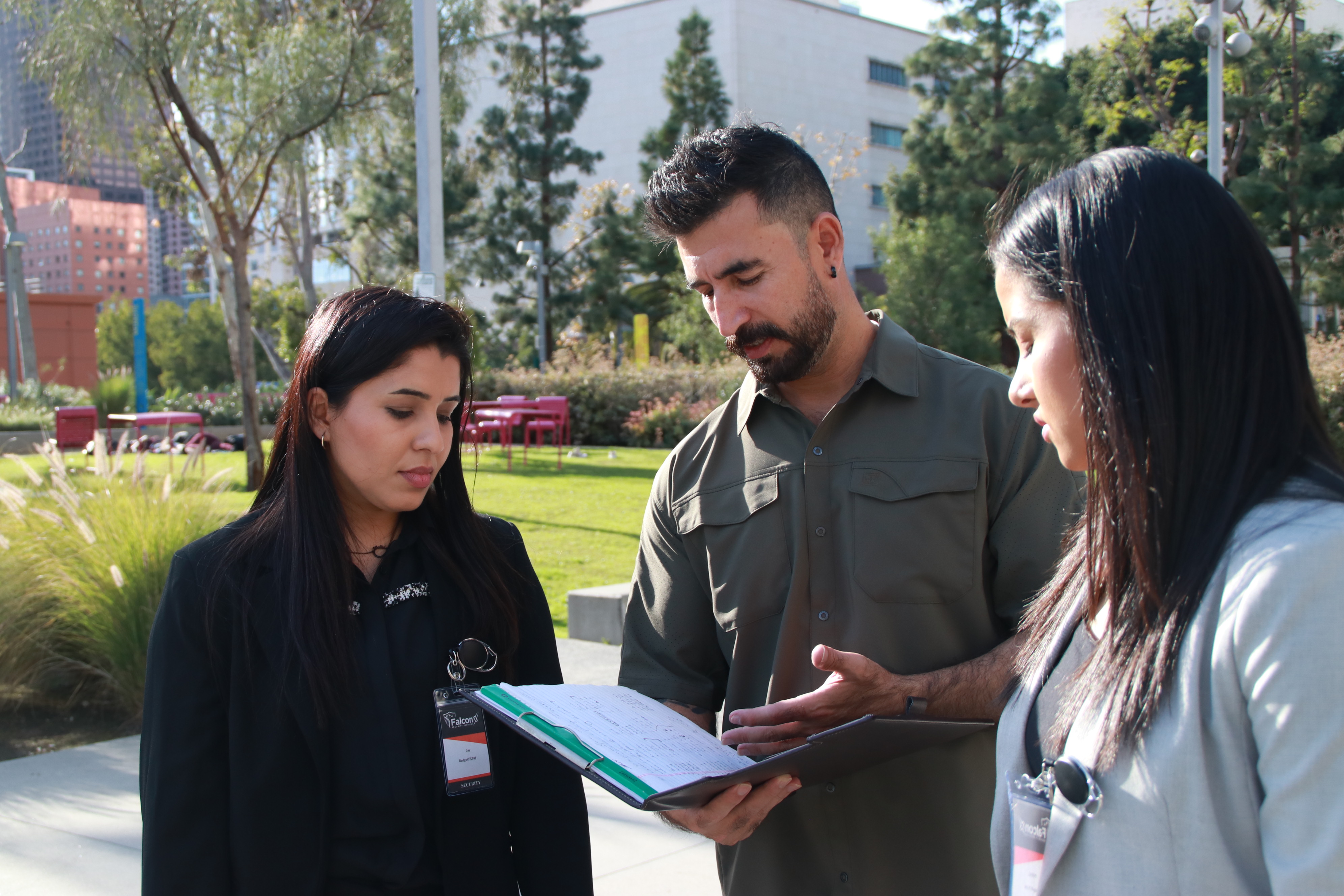
Security guards are required to report and document any security incidents or irregularities that occur during their shifts. This includes recording detailed information about intrusions, thefts, property damage, or any other security breaches. Accurate and thorough documentation is essential for ensuring a comprehensive record of events and facilitating subsequent investigations.

Ensuring Public Safety

Security guards play an essential role in maintaining safety and security in various settings, including commercial, industrial, and public spaces. One of the main duties of a security guard is to ensure public safety by preventing and responding to security threats and emergencies. In this blog post, we will focus on the subheading ‘Ensuring Public Safety’ and explore the various techniques and responsibilities that security guards have in fulfilling this duty.

Crowd Control Techniques

One of the primary responsibilities of security guards is to manage crowds in public settings such as concerts, festivals, and sporting events. Effective crowd control techniques help to maintain order, prevent chaos, and ensure public safety. Some of the crowd control techniques that security guards use include:

  • Establishing a visible and authoritative presence
  • Managing access points and entry and exit routes
  • Directing crowds using signs, barriers, and verbal communication
  • Responding quickly to any disturbances or potential threats

Emergency Response

Security guards must also be prepared to respond to emergencies such as fires, medical emergencies, and natural disasters. Their role in emergency response includes:

  • Monitoring and reporting any potential hazards or dangers
  • Evacuating people safely and efficiently
  • Providing first aid and medical assistance
  • Coordinating with emergency services such as police and fire departments

Overall, security guards play a crucial role in ensuring public safety by maintaining order, preventing security threats, and responding to emergencies effectively. By utilizing various techniques and strategies such as crowd control and emergency response, security guards provide a safe and secure environment for the public.

Protection Of Property

The protection of property is one of the main duties of a security guard. Security guards play a crucial role in ensuring the safety and security of a property, whether it is a residential building, office complex, or retail store. They are responsible for preventing vandalism and theft, as well as controlling access to the premises.

Preventing Vandalism And Theft

One of the key responsibilities of a security guard is to prevent vandalism and theft on the property they are assigned to. Vandalism can include acts such as graffiti, property damage, or destruction of assets. Theft, on the other hand, involves the unlawful taking of someone else’s property.

By being present and vigilant, security guards act as a deterrent to potential vandals and thieves. Their presence alone can discourage criminals from targeting the property, as they know they are being watched. Security guards are trained to identify suspicious behavior and take appropriate action to prevent any illegal activity from occurring.

In addition to deterring criminals, security guards are also responsible for promptly reporting any suspicious activity or incidents they observe. They maintain a constant watch over the property, ensuring that any unusual behavior or potential security risks are promptly addressed.

Access Control

Another important duty of a security guard is to control access to the property. This involves monitoring and regulating the entry and exit of individuals, vehicles, and goods. By implementing access control measures, security guards help maintain the integrity and safety of the property.

Access control can include tasks such as verifying the identification of individuals, checking credentials, and ensuring that only authorized personnel are granted entry. Security guards may also be responsible for operating security systems, such as surveillance cameras, alarm systems, and electronic access control systems.

By effectively managing access control, security guards contribute to the overall security of the property and its occupants. They help create a safe environment by preventing unauthorized individuals from entering and potentially causing harm or engaging in illegal activities.

In conclusion, the protection of property is a crucial responsibility of security guards. Through their efforts in preventing vandalism and theft, as well as their role in access control, security guards play a vital role in maintaining the safety and security of a property.

Security Technology And Tools


When it comes to the duties of a security guard, understanding and utilizing security technology and tools play a crucial role in ensuring safety and protection. Security guards rely on various surveillance equipment and communication devices to effectively carry out their responsibilities.

Surveillance Equipment

Surveillance equipment is essential for security guards to monitor and track activities within a designated area. Common surveillance tools include:

  • CCTV cameras for real-time video monitoring
  • Motion sensors to detect movement in restricted areas
  • Infrared cameras for low-light or nighttime surveillance

Communication Devices

Communication devices enable security guards to stay connected and coordinate with their team efficiently. Some essential communication tools include:

  1. Two-way radios for instant communication
  2. Mobile phones for quick access to emergency contacts
  3. Walkie-talkies for clear and direct communication on-site

Skills And Qualities Of An Effective Security Guard

An effective security guard should possess various skills and qualities to carry out their primary duties, which include maintaining order, preventing and responding to security threats, and protecting people and property. These skills and qualities include good communication skills, attention to detail, physical fitness, critical thinking, and a strong sense of responsibility and professionalism.

As a security guard, you are responsible for the safety and security of people, property, and assets. You are the first line of defense against potential threats and must be prepared to take action at a moment’s notice. To be an effective security guard, you need to possess a range of skills and qualities that enable you to carry out your duties with confidence and professionalism.

Physical Fitness

One of the most important skills for a security guard is physical fitness. You must be able to stand and walk for long periods, climb stairs, and lift heavy objects if necessary. You also need to be in good health and free from any medical conditions that could impair your ability to perform your duties.

Observation And Reporting Skills

Observation and reporting skills are critical for a security guard. You must be able to pay attention to detail, spot potential threats, and report any suspicious activity to your supervisor or the appropriate authorities. You should also be able to write clear, concise reports that provide accurate information about incidents that occur on your watch.

Communication Skills

Effective communication is essential for a security guard. You must be able to communicate clearly and confidently with members of the public, your colleagues, and your supervisor. You should also be able to listen actively and respond appropriately to requests or instructions.

Interpersonal Skills

Interpersonal skills are also important for a security guard. You must be able to interact with people from all walks of life, including those who may be difficult or confrontational. You should be able to remain calm and professional in all situations and demonstrate empathy and understanding when dealing with sensitive issues.

Integrity And Honesty

As a security guard, you are entrusted with the safety and security of people, property, and assets. You must be honest, trustworthy, and have high ethical standards. You should always act with integrity and demonstrate a commitment to upholding the law and protecting the rights of others. In conclusion, being a security guard is a challenging but rewarding job. To be effective in this role, you need to possess a range of skills and qualities that enable you to carry out your duties with confidence and professionalism. By developing your physical fitness, observation and reporting skills, communication skills, interpersonal skills, and integrity and honesty, you can become a valuable member of any security team.

Legal And Ethical Considerations

Legal and ethical considerations are paramount for security guards as they carry out their duties. Understanding local laws and maintaining professionalism are crucial aspects that security guards must adhere to to ensure the safety and security of the premises they are responsible for.

Understanding Local Laws

Security guards must have a comprehensive understanding of the local laws and regulations that govern their jurisdiction. This includes knowledge of trespassing laws, use of force regulations, and the legal rights of individuals on the premises. Adhering to these laws not only ensures the security guard operates within legal boundaries but also helps prevent potential legal disputes and liabilities.

Maintaining Professionalism

Professionalism is a cornerstone of a security guard’s responsibilities. This involves conducting oneself with integrity, respect, and ethical behavior at all times. Maintaining professional conduct not only enhances the security guard’s credibility but also contributes to a safe and secure environment for the individuals on the premises.

Career Pathways And Advancement

When considering a career as a security guard, it’s essential to understand the various pathways and opportunities for advancement within the field. Security guards play a crucial role in maintaining safety and security in various settings, and there are several avenues for professional growth and development in this career.

Training And Certification

One of the initial steps towards advancing in a security guard career is obtaining the necessary training and certification. Security guard training programs typically cover essential topics such as emergency procedures, report writing, and legal aspects of security work. Additionally, obtaining relevant certifications, such as first aid and CPR training, can enhance a security guard’s skillset and increase opportunities for advancement.

Opportunities For Progression

As security guards gain experience and demonstrate their abilities, various opportunities for progression become available. Advancement may include taking on supervisory roles, such as becoming a security team leader or a shift supervisor. Some security guards may also pursue specialized training to work in areas such as event security, executive protection, or loss prevention, opening doors to higher-paying and more specialized positions within the security industry.

What are the Main Duties of a Security Guard

Frequently Asked Questions

What Is The Main Duty Of A Security Guard?

A security guard’s main duty is to protect people and property, maintain a safe environment, and enforce rules.

Which Of The Following Are Basic Security Guard Duties?

Basic security guard duties include patrolling premises, monitoring surveillance systems, responding to alarms, enforcing rules and regulations, and maintaining a safe environment.

What Are The 3 Core Functions Of A Security Guard?

The three core functions of a security guard are to deter crime, observe and report any suspicious activities, and ensure the safety of people and property within their assigned area.

What Is The Basic Knowledge Of A Security Guard?

A security guard should know about surveillance, access control, and emergency response. Understanding security protocols and communication skills are essential. Additionally, a guard should be able to remain calm under pressure and follow company policies.

Conclusion

The main duties of a security guard are to protect people and property, monitor surveillance equipment, and enforce rules and regulations. A security guard’s role is essential in maintaining safety and security in various settings, such as retail stores, office buildings, and events.

By fulfilling these responsibilities, security guards play a crucial role in preventing potential threats and ensuring a secure environment for everyone.

Top 10 Security Tips for Commercial Banks


Commercial banks need to be very secure. They handle a lot of money and sensitive information. Here are the top 10 security tips for commercial banks to stay safe.


1. Use Strong Passwords

Every employee should use strong passwords. Strong passwords have letters, numbers, and special characters. Change passwords regularly to keep them secure.

2. Install Firewalls

Firewalls protect the bank’s network from outside attacks. They block unauthorized access and keep data safe. Make sure to keep firewalls updated.

3. Encrypt Data

Encryption makes data unreadable to unauthorized people. Encrypt all sensitive data, both in transit and at rest. This keeps customer information safe.

4. Use Multi-Factor Authentication (MFA)

MFA adds an extra layer of security. It requires two or more verification methods. Use MFA for logging into systems and accessing sensitive information.

5. Conduct Regular Security Audits

Regular security audits identify vulnerabilities. Fix any issues found during audits quickly. This helps to prevent security breaches.


6. Train Employees

Employees should know how to recognize security threats. Provide regular training on security best practices. This helps to prevent human errors.

7. Monitor Network Activity

Monitoring network activity can detect unusual behavior. Use tools to track and analyze network traffic. Respond quickly to any suspicious activity.

8. Secure Physical Access

Not all threats are digital. Secure the physical premises of the bank. Use security cameras, alarms, and access control systems.

9. Backup Data Regularly

Regular data backups ensure information is not lost. Store backups in a secure location. This helps in case of a data breach or hardware failure.

10. Stay Updated on Security Trends

Security threats are always evolving. Stay informed about the latest security trends. Update security measures accordingly to stay protected.

Table Of Security Tips

Tip Number Security Tip
1 Use Strong Passwords
2 Install Firewalls
3 Encrypt Data
4 Use Multi-Factor Authentication (MFA)
5 Conduct Regular Security Audits
6 Train Employees
7 Monitor Network Activity
8 Secure Physical Access
9 Backup Data Regularly
10 Stay Updated on Security Trends

Conclusion

Following these security tips can help keep commercial banks safe. Strong passwords, firewalls, and encryption are key. Also, regular audits, employee training, and monitoring are essential. Secure physical access and regular backups are necessary. Stay updated on the latest security trends to stay protected.

Frequently Asked Questions

What Are Common Bank Security Threats?

Cyberattacks, phishing, malware, and insider threats are common security risks faced by commercial banks.

How Can Banks Protect Customer Data?

Banks can protect customer data by using encryption, secure authentication, and regular security audits.

Why Is Multi-factor Authentication Important?

Multi-factor authentication adds an extra layer of security, making unauthorized access more difficult.

What Role Does Employee Training Play?

Employee training helps in recognizing and preventing security threats, reducing the risk of breaches.

Best Practices for Security Guard Training And Development


Security guards play a very important role. They help keep people and places safe. To do their job well, they need good training and development. This blog post will talk about the best practices for security guard training and development.

Why Training is Important

Training helps security guards learn how to do their job well. It teaches them new skills and helps them improve. Good training makes them more confident and effective.

Basic Training for Security Guards

Basic training is the first step for new security guards. It covers many important topics. Here are some of the key areas:

  • Understanding the Role: Guards learn what their job is and why it is important.
  • Communication Skills: They learn how to talk to people and give clear instructions.
  • Observation Skills: Guards learn how to notice details and stay alert.
  • First Aid: Basic first aid training helps them assist in emergencies.
  • Legal Knowledge: Guards learn about laws and regulations they need to follow.
 

Advanced Training for Security Guards

After basic training, guards can get advanced training. This helps them learn more specialized skills. Some advanced training topics include:

  • Fire Safety: Training on how to handle fires and use fire equipment.
  • Handling Weapons: Some guards need to know how to safely use weapons.
  • Conflict Resolution: Learning how to handle disputes and calm people down.
  • Crowd Control: Guards learn how to manage large groups of people.
  • Technology Use: Training on how to use security cameras and other tools.
 

Ongoing Development

Training should not stop after basic and advanced courses. Ongoing development is very important. This helps guards stay up-to-date with new skills and information. Here are some ways to support ongoing development:

  • Regular Refresher Courses: These courses help guards remember what they learned.
  • Workshops and Seminars: Guards can learn new skills and knowledge from experts.
  • Online Training: Online courses are a flexible way to continue learning.
  • On-the-Job Training: Practical experience is very valuable for skill development.
  • Peer Learning: Guards can learn from each other by sharing experiences.

Using Technology in Training

Technology can make training more effective. It provides new ways to learn and practice skills. Here are some ways technology can help:

  • Online Courses: Guards can take courses anytime and anywhere.
  • Simulation Software: This helps guards practice real-life scenarios safely.
  • Mobile Apps: Apps can provide quick tips and reminders for guards.
  • Virtual Reality (VR): VR can create realistic training environments.
  • Webinars: Live online seminars allow for interactive learning.

Measuring Training Success

It is important to know if training is working. Measuring success helps improve training programs. Here are some ways to measure training success:

  • Tests and Quizzes: These check if guards understand the material.
  • Performance Reviews: Supervisors can give feedback on how well guards are doing.
  • Surveys: Guards can share their thoughts on the training they received.
  • Incident Reports: Fewer incidents can show that training is effective.
  • Continuous Monitoring: Regular checks help ensure ongoing improvement.

Creating a Positive Training Environment

A good training environment helps guards learn better. Here are some tips to create a positive training environment:

  • Encouragement: Positive feedback helps guards feel motivated.
  • Interactive Learning: Hands-on activities make training more engaging.
  • Clear Instructions: Simple and clear instructions help guards understand better.
  • Supportive Instructors: Instructors should be helpful and approachable.
  • Safe Space: A safe environment encourages guards to ask questions.

Training for Different Types of Security Guards

Different security guards have different roles. Their training needs can vary. Here are some examples:

Type of Guard Specific Training Needs
Retail Security Guards Theft prevention and customer service skills
Event Security Guards Crowd control and emergency response
Residential Security Guards Access control and patrolling
Corporate Security Guards Conflict resolution and communication skills

Frequently Asked Questions

What Is Security Guard Training?

Security guard training involves teaching safety protocols, emergency responses, and observation skills to protect people and property.

Why Is Ongoing Training Important?

Ongoing training ensures guards stay updated on new security protocols and technologies, maintaining high standards of safety.

How Often Should Guards Train?

Security guards should undergo training annually to refresh skills and stay updated on the latest security practices.

What Skills Do Security Guards Learn?

Guards learn observation, communication, conflict resolution, emergency response, and legal compliance skills during training.

Conclusion

Good training and development are crucial for security guards. It helps them do their job well and keep people safe. By following these best practices, we can ensure that security guards are well-prepared and effective. Continuous learning and using technology can make training even better. Remember, a well-trained security guard is a key part of a safe community.