When it comes to ensuring the safety and security of your property, business, or event, hiring a professional security guard service is a crucial decision. However, before you make this important choice, there are several key factors that you should consider to ensure that you are getting the best possible protection for your specific needs. Here are 6 important things to know before hiring a security guard service:
1. Licensing and Certification
Before hiring a security guard service, it’s essential to verify that the company and its guards are properly licensed and certified. This not only ensures that the guards have received the necessary training and have passed the required background checks, but it also provides you with the peace of mind that you are working with a reputable and legitimate security provider. Make sure to ask for proof of licensing and certification before making any commitments.
2. Experience and Expertise
When it comes to security, experience matters. Look for a security guard service that has a proven track record of providing effective protection for businesses, events, or properties similar to yours. Inquire about the company’s experience, the types of clients they have worked with, and any specialized expertise they may have in your industry. A security provider with relevant experience will be better equipped to understand and address your specific security needs.
3. Range of Services
Before hiring a security guard service, it’s important to understand the full range of services they offer. Some companies may specialize in specific types of security, such as event security, executive protection, or mobile patrols, while others may offer a comprehensive suite of security solutions. Assess your security requirements and ensure that the company you choose can provide the specific services you need to adequately protect your assets.

4. Reputation and References
Reputation speaks volumes in the security industry. Before making a decision, take the time to research the reputation of the security guard service you are considering. Look for client testimonials, reviews, and references to gain insight into the company’s performance, professionalism, and reliability. A reputable security provider will have a strong track record of satisfied clients and positive feedback.
5. Customized Security Plans
Every security situation is unique, and a one-size-fits-all approach simply won’t suffice. A reputable security guard service should be willing to work with you to develop a customized security plan tailored to your specific needs and concerns. Whether you require a visible security presence to deter potential threats or discreet surveillance to monitor sensitive areas, the security provider should be able to accommodate your requirements and provide a personalized security solution.
6. Communication and Technology
Effective communication and the use of advanced technology are essential components of a modern security strategy. When evaluating a security guard service, inquire about their communication protocols, reporting procedures, and the technology they utilize to enhance security measures. From real-time reporting and monitoring to the use of surveillance equipment and access control systems, the security provider should demonstrate a commitment to leveraging technology to enhance the level of protection they can offer.
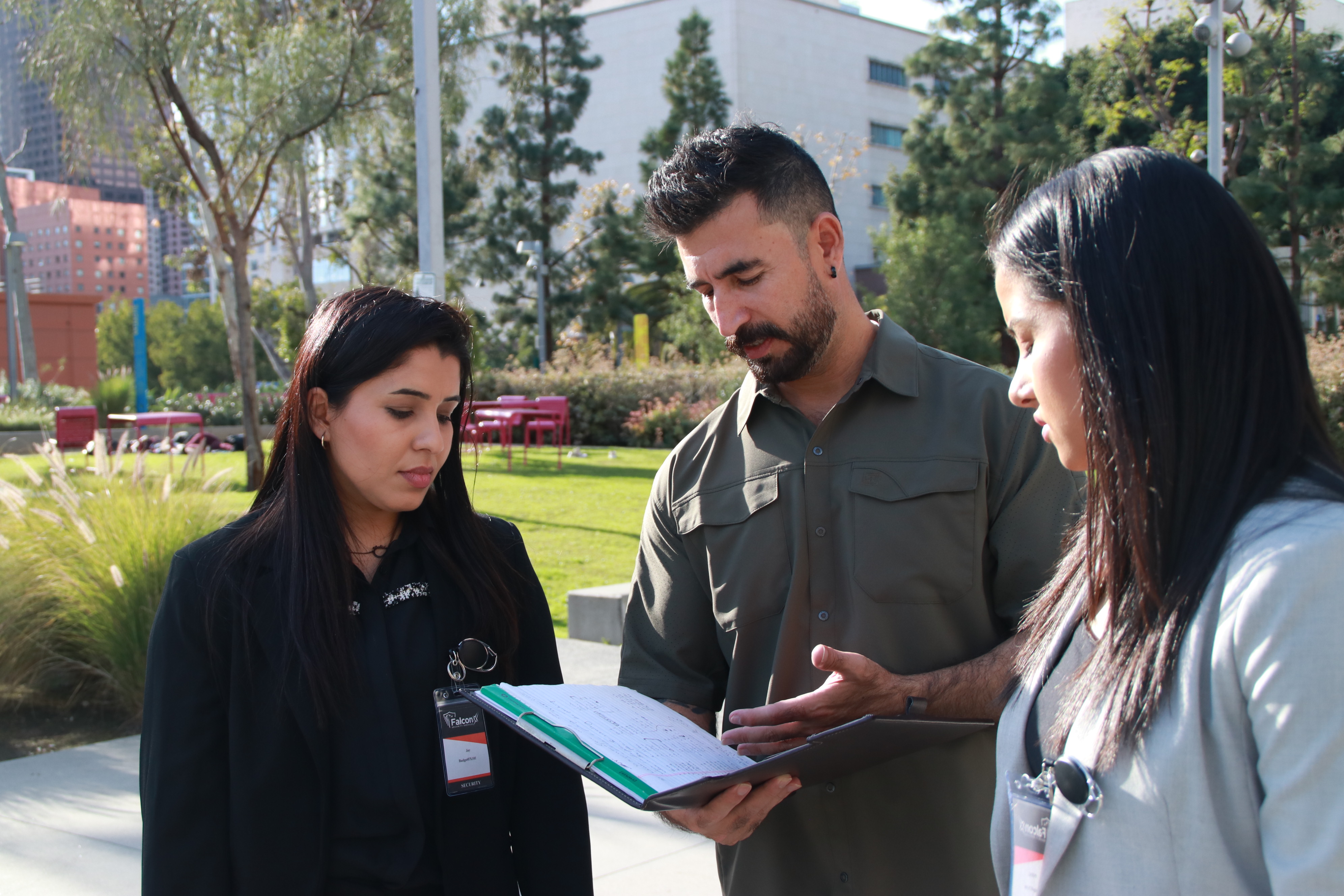
6 Reasons To Hire A Security Guard: Boost Your Business Safety!

Security is a top priority for any business, regardless of its size or industry. Ensuring the safety of your employees, customers, and assets should be a key focus for every business owner. One effective way to enhance security measures is by hiring a professional security guard. Here are six compelling reasons why you need to consider hiring a security guard for your business:
1. Deter Crime
Having a security guard present at your business premises acts as a strong deterrent to potential criminals. The mere sight of a security guard patrolling the area can discourage thieves, vandals, and other malicious individuals from targeting your business. This proactive approach to security can significantly reduce the risk of crime occurring on your property.
2. Provide a Sense of Security
By having a security guard on-site, you create a sense of safety and security for your employees, customers, and visitors. Knowing that there is a trained professional looking out for their well-being can help people feel more at ease when conducting business at your establishment. This feeling of security can enhance customer trust and loyalty, leading to increased business reputation.
3. Handle Emergency Situations
Security guards are trained to respond quickly and effectively to emergency situations. Whether it’s a medical emergency, fire outbreak, or any other crisis, having a security guard on-site ensures that there is someone ready to take charge and coordinate the necessary actions. Their ability to handle emergencies can potentially save lives and minimize property damage.
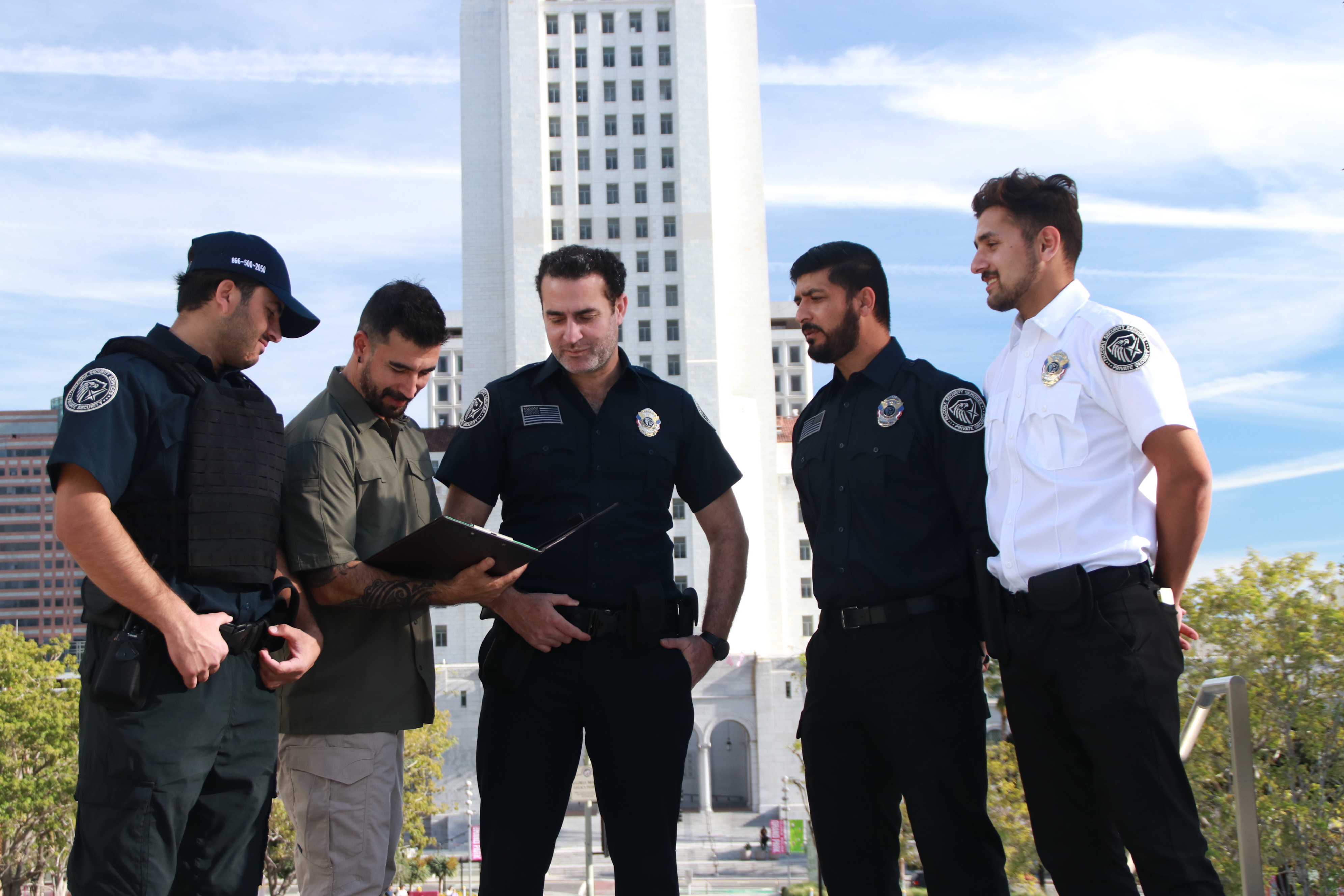
4. Monitor and Control Access
A security guard can help monitor and control access to your business premises. They can verify the identity of individuals entering the premises, check for proper authorization, and ensure that only authorized personnel are allowed entry. This level of access control is crucial for preventing unauthorized individuals from gaining entry and compromising the security of your business.
5. Prevents Workplace Violence
Workplace violence is a serious issue that can have devastating consequences for businesses and their employees. Having a security guard on-site can help prevent and de-escalate situations that could potentially lead to violence. Their presence can deter aggressive behavior and provide a quick response in case of any disturbances, ensuring the safety of everyone present.
6. Enhance Overall Security Measures
While security cameras and alarm systems are important components of a security plan, they are not always sufficient on their own. By complementing these technologies with a physical security presence in the form of a security guard, you create a more comprehensive security strategy. A security guard can actively monitor the premises, respond to alarms, and address any security breaches in real-time, providing an added layer of protection.
In conclusion, hiring a security guard for your business can offer numerous benefits, ranging from crime deterrence to emergency response capabilities. Investing in professional security services demonstrates your commitment to the safety and well-being of your employees, customers, and assets. By taking proactive steps to enhance security measures, you can create a secure environment that promotes trust, loyalty, and peace of mind for everyone involved.

Frequently Asked Questions
Why Should I Hire A Security Guard For My Business?
Hiring a security guard can deter crime, provide customer assistance, and safeguard your business assets.
What Are The Benefits Of Having A Security Guard?
Having a security guard can reduce security risks, improve customer trust, and enhance overall safety measures.
How Can A Security Guard Protect My Business?
A security guard can conduct regular patrols, monitor surveillance systems, and respond promptly to any security threats.
What Qualities Should I Look For In A Security Guard?
Look for a security guard with good communication skills, strong decision-making abilities, and a keen eye for detail.
What Is The Role Of A Mobile Patrol Security Officer: Key Duties

Mobile patrol security officers play a crucial role in maintaining the safety and security of various properties and premises. They are responsible for patrolling designated areas, deterring criminal activity, and responding to security incidents. In this blog post, we will explore the key responsibilities and duties of a mobile patrol security officer, as well as the importance of their role in today’s society.
Responsibilities and Duties
Mobile patrol security officers are tasked with a wide range of responsibilities to ensure the safety and security of the areas they are assigned to protect. Some of their key duties include:
- Patrolling: One of the primary responsibilities of a mobile patrol security officer is to conduct regular patrols of designated areas. This involves inspecting the premises for any signs of suspicious activity, unauthorized entry, or other security concerns.
- Deterring Criminal Activity: Mobile patrol security officers play a vital role in deterring criminal activity through their visible presence and proactive security measures. Their patrols and vigilance help to prevent potential security threats and criminal incidents.
- Responding to Incidents: In the event of security breaches, disturbances, or emergencies, mobile patrol security officers are required to respond promptly and take appropriate action to address the situation. This may involve contacting law enforcement, securing the area, and providing assistance to those in need.
- Reporting: Keeping detailed and accurate reports of their patrols and any security incidents is a crucial part of a mobile patrol security officer’s duties. This documentation helps to track security trends, identify vulnerabilities, and provide valuable information for future security planning.
- Customer Service: Mobile patrol security officers often serve as the first point of contact for visitors, employees, and residents of the properties they protect. Providing excellent customer service, offering assistance, and addressing concerns in a professional manner are essential aspects of their role.
- Security Technology: Utilizing security technology such as CCTV cameras, alarm systems, and communication devices is also part of a mobile patrol security officer’s responsibilities. They must be proficient in operating and monitoring these tools to enhance the overall security measures.

Importance of Their Role
The role of mobile patrol security officers is of paramount importance in today’s society for several reasons:
- Crime Prevention: By actively patrolling and maintaining a visible presence, mobile patrol security officers help to deter criminal activities such as theft, vandalism, and trespassing. Their proactive approach contributes to creating a safer environment for the community.
- Rapid Response: In the event of security incidents or emergencies, mobile patrol security officers are often the first responders on the scene. Their ability to react swiftly and effectively can mitigate risks and minimize potential harm to people and property.
- Security Awareness: The presence of mobile patrol security officers promotes a sense of security and reassurance among individuals within the protected areas. This heightened security awareness can lead to improved compliance with safety protocols and a reduced likelihood of security breaches.
- Property Protection: Properties and premises, whether residential, commercial, or industrial, rely on mobile patrol security officers to safeguard their assets and infrastructure. By maintaining a vigilant watch, these officers help prevent unauthorized access and protect valuable resources.
- Community Engagement: Mobile patrol security officers often interact with the community members they serve, building positive relationships and fostering trust. This engagement can lead to valuable partnerships in addressing security concerns and promoting a united front against potential threats.
Training and Qualifications
Becoming a mobile patrol security officer typically requires specific training and qualifications to perform the role effectively. Some of the essential requirements and skills include:
- Security Training: Completion of security training programs that cover topics such as patrolling techniques, emergency response, conflict resolution, and legal aspects of security operations.
- First Aid/CPR Certification: Basic knowledge of first aid and CPR is often a prerequisite, as mobile patrol security officers may need to provide immediate assistance in medical emergencies.
- Communication Skills: Effective communication is vital in this role, as officers must interact with a diverse range of individuals and convey information clearly and concisely.
- Physical Fitness: The nature of patrolling and responding to security incidents may require a certain level of physical fitness and stamina to perform the duties effectively.
- Security Licenses/Certifications: Depending on the location and specific requirements, mobile patrol security officers may need to obtain relevant licenses or certifications to work in the security industry.
Frequently Asked Questions
What Are The Main Duties Of A Mobile Patrol Security Officer?
A mobile patrol security officer is responsible for conducting regular patrols to secure premises and monitor for suspicious activity.
Why Is Hiring A Mobile Patrol Security Officer Important?
Hiring a mobile patrol security officer is crucial to deter crime, prevent vandalism, and provide a rapid response to emergencies.
How Does A Mobile Patrol Security Officer Enhance Security Measures?
A mobile patrol security officer enhances security by providing a visible presence, conducting thorough patrols, and responding promptly to incidents.
What Qualifications Should A Mobile Patrol Security Officer Possess?
A mobile patrol security officer should have relevant training, a valid security license, excellent communication skills, and the ability to remain calm under pressure.
Conclusion
Mobile patrol security officers play a pivotal role in safeguarding the security and well-being of various properties and communities. Their proactive approach, vigilance, and commitment to maintaining a secure environment contribute to crime prevention, rapid response to incidents, and overall peace of mind for those they serve. With the right training, qualifications, and dedication, mobile patrol security officers continue to be an essential component of the security landscape, upholding safety and security as top priorities in today’s society.
Mistakes Your Company Is Making By Not Investing In Security Officers: Top Risks Uncovered

Security is a critical aspect of any business operation. Many companies underestimate the importance of having dedicated security officers on-site. By neglecting to invest in security officers, businesses are making costly mistakes that can have serious repercussions. In this article, we will explore the significant mistakes your company might be making by not having security officers in place.
1. Vulnerability to Security Breaches
One of the most significant mistakes a company can make is leaving itself vulnerable to security breaches. Without security officers, businesses are at a higher risk of theft, vandalism, and unauthorized access to sensitive information. A lack of physical security measures can result in substantial financial losses and damage to the company’s reputation.
2. Lack of Immediate Response
Without security officers on-site, companies may struggle to respond effectively to security incidents. In the event of an emergency or breach, the absence of trained security personnel can lead to delays in addressing the situation. Quick and efficient response is crucial in minimizing the impact of security threats, and security officers play a vital role in ensuring a prompt reaction.
3. Employee Safety Concerns
Employee safety should be a top priority for any company. Without security officers, employees may feel unsafe or unprotected in the workplace. This can result in decreased morale, productivity, and overall job satisfaction. Investing in security officers demonstrates a commitment to the well-being of employees and creates a secure work environment.
4. Legal and Compliance Risks
Businesses that neglect to invest in security officers may find themselves facing legal and compliance risks. Many industries have specific security requirements that must be met to ensure regulatory compliance. Failure to have adequate security measures in place can result in fines, lawsuits, and damage to the company’s credibility.

5. Loss of Customer Trust
Security breaches can have a significant impact on customer trust and loyalty. If a company’s security is compromised, customers may lose confidence in the business’s ability to protect their information. This can lead to a loss of customers, negative publicity, and long-term damage to the company’s reputation. Investing in security officers can help maintain customer trust and safeguard the company’s brand image.
6. Missed Opportunity for Prevention
Security officers play a crucial role in preventing security incidents before they occur. By not having security officers in place, companies miss out on the opportunity to proactively identify and address potential threats. Investing in security officers enables businesses to implement preventive security measures and reduce the likelihood of security breaches.
7. Lack of Security Expertise
Security officers bring valuable expertise and skills to the table. They are trained to assess security risks, implement security protocols, and respond effectively to security incidents. Without security officers, companies may lack the necessary knowledge and experience to address complex security challenges. Investing in security officers ensures that businesses have access to expert security professionals who can safeguard the company’s assets and personnel.
8. Negative Impact on Business Continuity
Security incidents can disrupt business operations and impact continuity. Without security officers, companies may struggle to maintain a secure and stable working environment. This can lead to downtime, financial losses, and operational disruptions. Investing in security officers is essential for ensuring business continuity and minimizing the impact of security threats on daily operations.
9. Increased Risk of Cyber Attacks
In today’s digital age, cyber-attacks pose a significant threat to businesses of all sizes. Without security officers, companies are more vulnerable to cyber threats such as hacking, malware, and data breaches. Security officers can help identify and mitigate cyber risks, implement cybersecurity measures, and protect the company’s digital assets. Investing in security officers is crucial for safeguarding against cyber attacks and maintaining the security of sensitive data.

10. Competitive Disadvantage
Companies that do not invest in security officers may put themselves at a competitive disadvantage. In today’s market, customers prioritize security and expect businesses to prioritize the protection of their information. Companies that lack security officers may struggle to meet these expectations and lose customers to competitors who demonstrate a commitment to security. Investing in security officers can give businesses a competitive edge and enhance their reputation in the marketplace.
Frequently Asked Questions
What Are The Potential Risks Of Not Investing In Security Officers?
Neglecting security officers can leave your company vulnerable to theft, cyber attacks, and unauthorized access.
How Can Security Officers Enhance Workplace Safety?
Security officers can monitor and respond to threats, enforce safety protocols, and provide a sense of security for employees and visitors.
What Are The Benefits Of Hiring Security Officers For A Company?
Hiring security officers can deter crime, improve emergency response, and enhance the overall security posture of your company.
How Do Security Officers Contribute To Loss Prevention?
Security officers can conduct surveillance, implement access control measures, and respond swiftly to any suspicious activities, reducing the risk of loss.
Conclusion
Investing in security officers is essential for protecting your company from security threats, maintaining business continuity, and safeguarding your assets and personnel. By neglecting to have security officers in place, businesses are making critical mistakes that can have far-reaching consequences. Prioritizing security by investing in security officers is a proactive and strategic decision that can help your company mitigate risks, build trust with customers, and ensure a secure working environment.
Don’t wait until it’s too late. Take action now to invest in security officers and safeguard your business against potential security threats.
4 Top Tips On How To Safeguard Your Residential Facility: Ultimate Guide

Ensuring the safety and security of your residential facility is of utmost importance. Whether you manage an apartment complex, a gated community, or any other residential property, implementing effective safeguards is crucial to protect the well-being of your residents and the property itself. In this article, we’ll explore four top tips on how to safeguard your residential facility.
1. Install a Comprehensive Security System
One of the primary steps in safeguarding your residential facility is to install a comprehensive security system. This includes features such as surveillance cameras, access control systems, and alarm systems. Surveillance cameras strategically placed throughout the property can act as a deterrent to potential intruders and provide valuable evidence in the event of an incident. Access control systems, such as key cards or biometric scanners, help regulate entry to the premises, ensuring that only authorized individuals can access certain areas. Additionally, alarm systems can alert both residents and security personnel in the event of unauthorized entry or other security breaches.
By investing in a robust security system, you can significantly enhance the safety and security of your residential facility, providing peace of mind to both residents and management.
2. Implement Proper Lighting and Landscaping
Proper lighting and landscaping play a vital role in the overall security of a residential facility. Well-lit areas, especially around entry points, parking lots, and walkways, help deter criminal activity by minimizing hiding spots for potential intruders. Adequate lighting also provides a sense of security for residents, making them feel more comfortable when moving around the property, particularly during evening hours.
In addition to lighting, thoughtful landscaping can contribute to the safety of the residential facility. Trimmed shrubbery and trees can eliminate potential hiding spots and increase visibility, reducing the risk of unauthorized individuals lurking around the property. By maintaining a well-lit and well-maintained landscape, you can create a safer environment for residents and minimize the likelihood of security incidents.

3. Enforce Clear Security Policies and Procedures
Establishing and enforcing clear security policies and procedures is essential for maintaining a secure residential facility. This includes defining visitor management protocols, parking regulations, and emergency response plans. By clearly communicating these policies to residents and staff, everyone is aware of their roles and responsibilities in upholding the security measures.
Visitor management protocols should require all guests to check in with the front desk or security personnel upon arrival, ensuring that only authorized individuals are granted access to the premises. Parking regulations, such as designated parking areas and permit requirements, help monitor and control vehicle access within the facility. Additionally, having well-defined emergency response plans, including evacuation procedures and communication protocols, is crucial for effectively handling unexpected security threats or natural disasters.
By enforcing clear security policies and procedures, you can maintain a structured and secure environment within your residential facility, minimizing potential vulnerabilities.
4. Conduct Regular Security Assessments and Training
Regular security assessments and training programs are essential for identifying and addressing any security gaps within your residential facility. Conducting routine assessments, either internally or with the assistance of security professionals, allows you to evaluate the effectiveness of existing security measures and identify areas for improvement. These assessments can encompass physical security, cybersecurity, and emergency preparedness to ensure a comprehensive approach to safeguarding the property.
In addition to assessments, providing ongoing security training for both staff and residents is crucial. Staff members should be well-versed in security protocols and emergency response procedures, enabling them to effectively handle various security scenarios. Residents can also benefit from security awareness training, educating them on how to recognize and report suspicious activities, as well as how to respond to emergencies.
By regularly assessing and enhancing security measures and providing relevant training, you can proactively strengthen the security posture of your residential facility, better equipping everyone to handle potential security challenges.

Frequently Asked Questions
What Are The Essential Security Measures For Residential Facilities?
To safeguard your residential facility, consider installing security cameras, alarm systems, proper lighting, and secure locks.
How Can I Improve The Safety Of My Residential Facility?
Implement a visitor management system, conduct regular security assessments, provide staff training, and ensure secure access control.
What Should I Do In Case Of A Security Breach At My Residential Facility?
Immediately contact law enforcement, assess the situation, secure the premises, and communicate with residents and staff about the incident.
Why Is It Important To Have A Comprehensive Security Plan For Residential Facilities?
A well-thought-out security plan ensures the safety of residents, protects property, and promotes a sense of security and peace of mind.
Conclusion
Safeguarding your residential facility requires a proactive and multifaceted approach that encompasses physical security measures, clear policies, and ongoing assessments. By installing a comprehensive security system, implementing proper lighting and landscaping, enforcing clear security policies and procedures, and conducting regular security assessments and training, you can significantly enhance the safety and security of your residential facility. Prioritizing these top tips will not only protect your residents and property but also contribute to a secure and thriving living environment.
What Is A Static Security Guard: Key Benefits Unveiled
A static security guard is a highly trained professional responsible for maintaining security and safety at a specific location or property. They play a crucial role in preventing unauthorized access, theft, vandalism, and other security threats. Let’s delve into the importance of static security and how these guards contribute to a secure environment.
Importance of Static Security Guards
Static security guards provide a visible deterrent to potential criminals and help create a secure environment for businesses, residential areas, construction sites, events, and more. Here are some key reasons why static security guards are essential:
1. Crime Prevention
Static security guards help prevent crime by monitoring the premises, controlling access points, and conducting regular patrols. Their presence alone can deter criminals from attempting to commit theft or vandalism, reducing the risk of security incidents.
2. Quick Response
In the event of an emergency or security breach, static security guards are trained to respond quickly and effectively. They can assess the situation, contact the relevant authorities, and take necessary actions to mitigate the threat, ensuring the safety of individuals and property.
3. Property Protection
Static security guards are responsible for safeguarding the property they are assigned to protect. They monitor CCTV cameras, secure entry and exit points, and conduct regular inspections to identify and address any security vulnerabilities, minimizing the risk of theft or damage.

4. Customer Service
Static security guards not only provide security but also offer customer service to visitors, employees, and residents. They can assist with directions, provide information, and handle inquiries, enhancing the overall experience of individuals accessing the premises.
5. Emergency Preparedness
Static security guards undergo training to handle various emergency situations, such as fires, medical emergencies, or natural disasters. They are equipped with the knowledge and skills to respond promptly and effectively during crises, ensuring a coordinated and organized response.
6. Peace Of Mind
Having static security guards on-site provides peace of mind to property owners, businesses, and residents. Knowing that trained professionals are monitoring the premises and ensuring security gives individuals a sense of safety and confidence in the security measures in place.

Frequently Asked Questions
What Is The Role Of A Static Security Guard?
A static security guard is responsible for protecting property and assets, monitoring surveillance equipment, and enforcing security procedures.
Why Is Static Security Important For Businesses?
Static security is important for businesses to prevent theft, vandalism, and unauthorized access, ensuring the safety of employees and assets.
How Does Static Security Enhance Safety Measures?
Static security enhances safety measures by providing a visible deterrent to potential threats, maintaining order, and responding to security breaches promptly.
What Are The Key Benefits Of Static Security Services?
The key benefits of static security services include crime deterrence, rapid response to emergencies, and maintaining a secure environment for employees and customers.
Conclusion
In conclusion, static security guards play a vital role in maintaining security and safety in various settings. Their presence not only deters criminals and prevents security incidents but also provides peace of mind to individuals accessing the premises. Investing in static security services is essential for protecting property, assets, and people, making it a valuable asset for any organization or individual seeking to enhance security measures.
Want To Be A Security Guard? Essential Insights Revealed!
Are you considering a career as a security guard? Being a security guard can be a rewarding and fulfilling job that allows you to protect people, property, and assets. However, before you embark on this career path, there are several key things you need to know about the job. In this article, we will explore what it takes to be a security guard, the responsibilities involved, the training required, and the opportunities available in this field.
What Does a Security Guard Do?
As a security guard, your primary responsibility is to maintain a safe and secure environment for the premises you are assigned to protect. This can include patrolling the area, monitoring security cameras, checking for unauthorized access, and responding to emergencies. Security guards play a crucial role in preventing theft, vandalism, and other criminal activities, as well as ensuring the safety of individuals within the premises.
Key Skills and Qualities
To be successful as a security guard, there are certain skills and qualities you need to possess. These include:
| Skill/Quality | Description |
|---|---|
| Observation Skills | Ability to keenly observe and identify potential security threats. |
| Communication Skills | Effective verbal and written communication to interact with colleagues and report incidents. |
| Physical Fitness | Able to perform tasks that may require physical stamina and agility. |
| Integrity | Trustworthiness and honesty in handling sensitive information and situations. |
| Problem-Solving Skills | Ability to think quickly and make sound decisions in stressful situations. |
Training and Certification
While formal education is not always required to become a security guard, most employers prefer candidates with a high school diploma or equivalent. In addition to education, completing security guard training and obtaining the necessary certifications are essential. Training programs cover topics such as legal rights, emergency procedures, and conflict resolution.
Security guards may also need to be licensed, depending on the state or country they work in. Licensing requirements typically involve passing a background check, completing a training course, and passing an exam. It is important to familiarize yourself with the specific licensing requirements in your area.

Job Opportunities
The demand for security guards is expected to grow in the coming years, creating numerous job opportunities in various industries. Security guards are employed in settings such as office buildings, retail stores, hospitals, schools, and event venues. Some security guards also work in specialized roles, such as bodyguards for high-profile individuals or security officers for government facilities.
Working as a security guard can also open doors to advancement opportunities. Experienced security guards may progress to supervisory or managerial roles, where they oversee a team of security personnel. Additionally, some security guards choose to specialize in areas such as cybersecurity or private investigation, expanding their career options.
Frequently Asked Questions
What Are the Basic Requirements to Become a Security Guard?
To become a security guard, you need to meet age, education, and criminal background requirements, and complete training.
What Type of Training Is Required to Become a Security Guard?
Security guard training covers topics such as legal powers, emergency procedures, and communication skills.
What Are the Primary Duties of a Security Guard?
The primary duties of a security guard include patrolling, monitoring surveillance equipment, and enforcing rules on the property.
How Can One Advance Their Career as a Security Guard?
To advance as a security guard, consider obtaining additional certifications or pursuing higher-level security positions.
Conclusion
Being a security guard is a noble profession that requires dedication, vigilance, and a commitment to safety. By understanding the responsibilities, skills, and training required for the job, you can make an informed decision about pursuing a career in security. Whether you are just starting out or looking to advance your career, the field of security offers a range of opportunities for growth and development.
Remember, being a security guard is not just a job; it is a responsibility to protect and safeguard the people and property entrusted to your care. If you have the passion and drive to make a difference in the security industry, then becoming a security guard may be the right career path for you.
Take the first step towards a rewarding career in security and embark on a journey that allows you to contribute to a safer and more secure world.
Why Retail Security Guards Are Essential Now More Than Ever

Retail stores are no strangers to security concerns. With the rise of online shopping, the competition for customers’ attention and dollars has never been more intense. In this rapidly changing landscape, security guards have become even more crucial for retail stores. From preventing theft and shoplifting to ensuring customer safety, security guards play a vital role in the success of retail businesses.
The Rise of Organized Retail Crime
One of the biggest challenges facing retail stores today is the rise of organized retail crime. These criminal groups are becoming more sophisticated in their tactics, making it increasingly difficult for stores to prevent and combat theft. In response to this growing threat, retail stores are turning to security guards to provide a visible deterrent and to respond swiftly to any suspicious activity.
Preventing Shoplifting
Shoplifting is a major concern for retail stores, costing them billions of dollars each year. Security guards are on the front lines in the battle against shoplifting, using their training and experience to identify and deter potential thieves. Their presence alone can act as a powerful deterrent, helping to reduce the incidence of shoplifting and minimize losses for retail businesses.
Ensuring Customer Safety
Customer safety is paramount for retail stores. With the increase in incidents of violence and aggression in retail environments, security guards are essential for ensuring the safety and well-being of both customers and employees. By providing a visible security presence, guards can help to create a secure and welcoming environment for shoppers, thereby enhancing the overall shopping experience.
Responding to Emergencies
In addition to preventing theft and ensuring customer safety, security guards are also trained to respond to emergencies. Whether it’s a medical emergency, a fire, or a natural disaster, security guards play a critical role in maintaining order and assisting customers and staff in times of crisis. Their quick thinking and decisive actions can make all the difference in ensuring the safety and well-being of everyone in the store.

Providing Customer Service
Security guards are not just there for security purposes; they also play a role in providing customer service. Whether it’s helping customers find products, providing information, or assisting with minor issues, security guards can enhance the overall customer experience. Their friendly and approachable demeanor can help to create a positive and welcoming atmosphere in the store, ultimately contributing to customer satisfaction and loyalty.
Adapting to Changing Retail Environments
The retail landscape is constantly evolving, with new challenges and threats emerging all the time. Security guards are adapting to these changes by staying up-to-date with the latest security technologies and techniques. From surveillance systems to access control, security guards are leveraging cutting-edge tools to enhance their ability to protect retail stores from threats both internal and external.
Building Trust and Reputation
By investing in security guards, retail stores are sending a powerful message to their customers and the community. They are demonstrating a commitment to safety and security, which can help to build trust and enhance their reputation. In an era where consumers are increasingly concerned about their safety, having security guards on-site can give retail stores a competitive edge and set them apart as a safe and secure shopping destination.
Frequently Asked Questions
Why Do Retail Stores Need Security Guards?
Retail stores require security guards to prevent theft, ensure customer safety, and maintain order.
How Can Security Guards Improve Customer Experience?
Security guards provide a sense of safety, assist customers, and deter potential criminal activities.
What Are The Benefits Of Having Security Guards In Retail?
Having security guards enhances loss prevention efforts, increases customer trust, and promotes a secure shopping environment.
How Do Security Guards Help In Emergency Situations?
Security guards are trained to handle emergencies, provide first aid, and evacuate customers safely if needed.
Conclusion
Security guards have always been important in retail, but their role has become even more crucial in today’s rapidly changing retail landscape. From preventing theft and shoplifting to ensuring customer safety and providing a welcoming atmosphere, security guards play a multifaceted role in the success of retail businesses. By recognizing the invaluable contribution of security guards and investing in their training and resources, retail stores can protect their assets, enhance their reputation, and provide a safe and secure environment for their customers.
What is the Difference between a Bouncer And a Security Guard
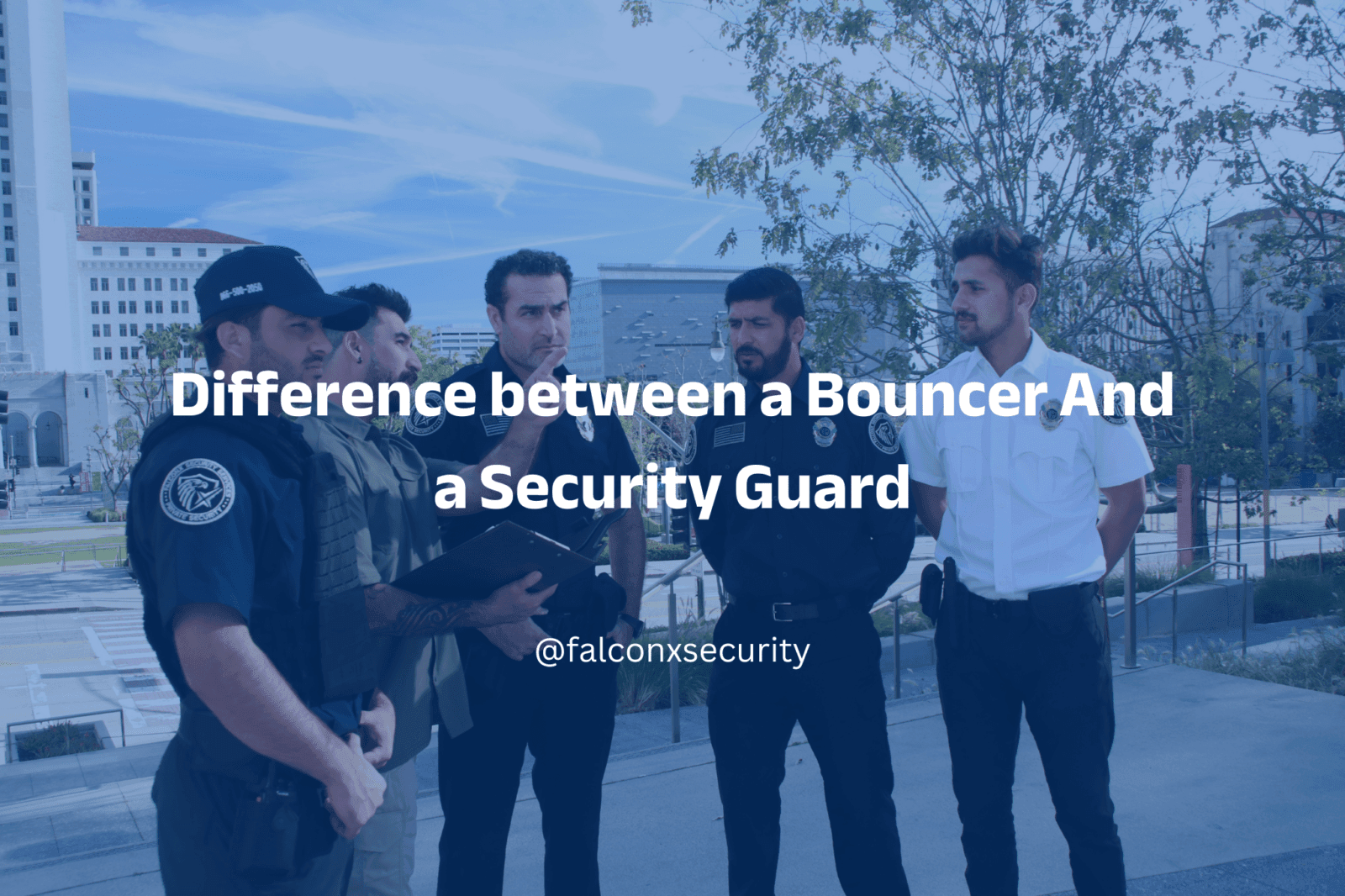
A bouncer primarily manages entry to venues, while a security guard focuses on overall protection. Bouncers enforce rules and handle unruly guests, whereas security guards monitor for potential threats and maintain safety.
Both roles require physical presence and quick decision-making skills. Customers expect a safe environment, making bouncers and security guards crucial in various settings such as bars, clubs, events, and businesses. Understanding the distinctions between these positions ensures appropriate staffing for specific security needs.
It’s essential to recognize the unique responsibilities each role entails, as both bouncers and security guards play vital roles in maintaining order and security in different settings.
Introduction To Security Roles
Security roles are often confused, especially when it comes to bouncers and security guards. However, the main difference lies in the scope of their work and the kind of training they receive. Bouncers are trained to handle crowd control and troubleshoot incidents in bars and clubs, while security guards are responsible for protecting property and people in various settings.
The Basic Functions
Understanding the roles and responsibilities of security personnel is crucial for maintaining safety and order in various establishments. Two commonly misunderstood security roles are bouncers and security guards. While they may seem similar on the surface, there are distinct differences between the two. Let’s explore their basic functions:
A bouncer primarily works in the entertainment industry, such as nightclubs, bars, and concert venues. Their main responsibility is to maintain order and security within the premises. They handle crowd control, check IDs, and ensure that patrons follow the establishment’s rules and regulations. Additionally, bouncers may intervene in conflicts or altercations to prevent escalation and ensure the safety of staff and customers.
On the other hand, a security guard’s role extends beyond the entertainment sector. They are employed in a variety of settings, including office buildings, hospitals, shopping malls, and residential complexes. Security guards are responsible for protecting people, property, and assets. They conduct regular patrols, monitor surveillance systems, and enforce safety procedures. In emergencies, they may be required to respond promptly and take appropriate action to mitigate risks and maintain a safe environment.
Common Misconceptions
Despite the clear distinctions between bouncers and security guards, there are common misconceptions that often arise. Let’s address these misconceptions:
- Bouncers are just muscle-bound individuals: While bouncers do need physical strength to handle potential conflicts, their role goes beyond physicality. They are trained to defuse tense situations, communicate effectively, and ensure the overall safety of the establishment.
- Security guards are untrained: This is far from the truth. Security guards undergo extensive training to handle various situations, including emergency response, first aid, and conflict resolution. They are equipped with the necessary skills and knowledge to handle security-related tasks effectively.
- Bouncers and security guards have the same authority: Although both roles involve maintaining security, the level of authority and jurisdiction can differ. Security guards often have legal authority to detain individuals, whereas bouncers typically rely on persuasion and assistance from law enforcement if needed.
Understanding the differences between bouncers and security guards is essential for employers and individuals seeking security services. By recognizing their unique functions and dispelling common misconceptions, we can ensure a safer and more secure environment for everyone.
The Role Of A Bouncer
A bouncer plays a crucial role in maintaining safety and order in venues such as nightclubs, bars, and other entertainment establishments. Their primary responsibility is to ensure the security and well-being of patrons and staff, while also upholding the establishment’s policies and regulations.
Primary Responsibilities
Bouncers are primarily responsible for maintaining a safe and secure environment within the establishment. This includes monitoring the crowd for any signs of disturbance or potential conflict, diffusing tense situations, and escorting disruptive individuals off the premises when necessary. They also check the identification and ensure the proper entry of patrons, maintaining order in queues and controlling the capacity of the venue.
Skills And Qualifications
Effective communication and conflict resolution skills are essential for bouncers, as they often need to interact with patrons in high-pressure situations. Physical strength and the ability to remain calm under pressure are also important. Many establishments require bouncers to have first aid and CPR certification, as well as training in crowd control and security protocols.
The Role Of A Security Guard
Security guards are trained professionals responsible for maintaining safety and security at various establishments. Unlike bouncers, security guards focus on preventing and handling security threats through surveillance and communication, ensuring a secure environment for patrons and property.
When it comes to security personnel, people often use the terms bouncer and security guard interchangeably. However, the two roles are quite different in terms of their responsibilities, training, and work environment. In this blog post, we will explore the differences between a bouncer and a security guard, with a particular focus on the role of a security guard.
Core Duties
The primary role of a security guard is to maintain a safe and secure environment for people and property. This involves a range of duties, including:
- Patrolling and monitoring premises to prevent theft, violence, or other criminal activity
- Checking identification of individuals entering the premises
- Responding to alarms and emergency situations
- Escorting people and goods to and from the premises
- Completing incident reports and maintaining records of security-related activities
Necessary Training
To perform these duties effectively, security guards require specialized training. The exact requirements vary depending on the jurisdiction and the type of security work involved. However, some of the common training elements include:
| Training Element | Description |
|---|---|
| Legal and ethical issues | Security guards need to be aware of the laws and regulations that govern their work, as well as the ethical considerations involved in protecting people and property. |
| Security procedures and protocols | Security guards need to be familiar with the specific procedures and protocols of the organization they work for, such as emergency response plans and access control measures. |
| First aid and CPR | Security guards often need to provide basic first aid and CPR in emergency situations. |
| Self-defense and restraint techniques | Security guards need to be able to defend themselves and others if necessary, and to use appropriate restraint techniques to control aggressive or violent individuals. |
| Communication skills | Security guards need to be able to communicate effectively with colleagues, clients, and members of the public. |
In addition to these training elements, security guards may also require specialized training in areas such as crowd control, surveillance, or firearms handling, depending on the specific nature of their work. In conclusion, the role of a security guard is an important one that involves a range of duties and requires specialized training. While the term “bouncer” is often used to describe security personnel in certain settings, it is important to recognize the distinct differences between these roles.
Key Differences Highlighted
Bouncers and security guards have distinct roles. Bouncers primarily handle crowd control and maintain order in entertainment venues, while security guards focus on protecting property and people in various settings.
Work Environment
The work environment is one of the key differences between a bouncer and a security guard. Bouncers primarily work in bars, nightclubs, and other entertainment venues where alcohol is served. They are responsible for maintaining order, checking IDs, and handling any unruly or disruptive behavior. On the other hand, security guards can be found in a variety of settings such as malls, office buildings, hospitals, and residential complexes. They are tasked with protecting property, monitoring surveillance systems, and responding to emergencies. While both roles involve ensuring safety, the work environments of bouncers and security guards differ significantly.
Nature Of Duties
The nature of duties performed by bouncers and security guards is another key distinction between the two roles. Bouncers focus primarily on crowd control and maintaining a safe environment within their assigned establishment. They may need to break up fights, remove individuals who are causing trouble, or escort disruptive patrons off the premises. Security guards, on the other hand, have a broader range of responsibilities. They may be required to conduct regular patrols, check for unauthorized access, and handle potential security threats. Additionally, security guards are often trained to respond to medical emergencies and provide basic first aid when necessary. The nature of duties for bouncers and security guards may overlap in some instances, but their primary responsibilities differ based on the specific requirements of their roles. To summarize, the key differences between bouncers and security guards can be highlighted in terms of their work environment and the nature of their duties. Bouncers typically work in bars and nightclubs, focusing on maintaining order and handling unruly behavior, while security guards can be found in various settings, protecting property and responding to emergencies. Understanding these differences is crucial when considering the specific needs and requirements of security personnel for different establishments.
Similarities Worth Noting
Bouncers and security guards may seem similar, but there are notable differences between the two. While bouncers typically work in nightclubs and bars, security guards can be found in a variety of settings such as malls, hospitals, and corporate offices.
Both roles require physical strength and the ability to handle difficult situations, but security guards may also need to have knowledge of surveillance technology and emergency procedures.
Shared Objectives
Overlap In Skills
In the security industry, bouncers and security guards share common ground in their roles and responsibilities. Both have shared objectives and an overlap in skills that contribute to ensuring safety and order in various settings.
Shared Objectives
– Maintaining order and safety in the premises is a primary goal for both bouncers and security guards. – Preventing disturbances and addressing conflicts swiftly are key tasks they both handle. – Providing a visible security presence to deter potential troublemakers is crucial for both roles.
Overlap In Skills
– Effective communication skills are essential for bouncers and security guards to handle confrontations professionally. – Physical fitness is a requirement for both roles to respond quickly to emergencies. – Knowledge of legal regulations and protocols is necessary for both bouncers and security guards to operate within the law.
Legal And Ethical Considerations
Legal and ethical considerations play a vital role in determining the difference between bouncers and security guards. While both professions involve ensuring safety and maintaining order in public places, there are some key distinctions that set them apart.
Certification And Licenses
One of the primary differences between bouncers and security guards is the level of certification and licensing required for their respective roles. Security guards typically undergo extensive training and must obtain a license from the state in which they work. This license ensures that they have met certain minimum requirements for education and training and that they are qualified to perform the duties of a security guard.
Bouncers, on the other hand, are not typically required to have any specific certification or licensing. While some states may have specific requirements for bouncers, many do not. This lack of regulation can lead to issues with unqualified individuals working in the role of a bouncer, which can pose a risk to both patrons and the establishment.
Ethical Boundaries
Another important distinction between bouncers and security guards is the ethical boundaries that guide their behavior. Security guards are generally held to a higher standard of conduct than bouncers and are expected to act in a professional and unbiased manner at all times. They must be able to remain calm and composed in challenging situations and must be able to make sound decisions based on their training and experience.
Bouncers, on the other hand, are often hired for their physical presence and ability to handle difficult patrons. While they may also be expected to act professionally and maintain order, their primary role is to prevent violence and protect the establishment from harm. However, this can sometimes lead to situations where bouncers use excessive force or act in an unethical manner, which can result in legal and financial consequences for both the bouncer and the establishment.
Real-world Scenarios
Real-world scenarios often require the expertise of security personnel, but it’s essential to understand the differences between a bouncer and a security guard. Let’s delve into some case studies and testimonials to illustrate the distinctions in their roles and responsibilities.
Case Studies
In a nightclub setting, a bouncer is primarily responsible for maintaining order and ensuring the safety of patrons. One evening, a confrontation between two intoxicated individuals escalated into a physical altercation. The bouncer swiftly intervened, diffusing the situation and preventing further escalation.
Testimonials
One club owner expressed their gratitude for the bouncer’s quick and effective response, emphasizing the importance of their role in maintaining a safe and enjoyable environment for patrons.
Choosing The Right Career Path
Choosing the right career path can be a significant decision, especially when it comes to roles in security. Understanding the differences between a bouncer and a security guard is essential for individuals looking to pursue a career in this field. Assessing your skills and considering career advancement opportunities are crucial in making an informed choice.
Assessing Your Skills
Before choosing between becoming a bouncer or a security guard, it’s essential to assess your skills. Physical strength and conflict resolution abilities are crucial for a bouncer, as they are responsible for maintaining order and ensuring the safety of patrons in venues such as nightclubs and bars. On the other hand, a security guard requires vigilance, attention to detail, and the ability to remain calm under pressure to protect properties and assets.
Career Advancement Opportunities
When considering a career path, it’s important to evaluate the potential for career advancement. Both bouncers and security guards have opportunities to advance in their careers. Bouncers may progress to become head bouncers or security managers in larger venues, while security guards can advance to roles such as security supervisor or security director in various industries, including corporate security and event security.
Frequently Asked Questions
What Is Higher Than A Security Guard?
A security supervisor or security manager is a position higher than a security guard. They oversee and manage security operations.
Why Are Security Guards Called Bouncers?
Security guards are sometimes called bouncers due to their role in bouncing or ejecting unruly individuals from establishments. They are responsible for maintaining order and ensuring the safety of patrons.
What Is The Purpose Of A Bouncer?
A bouncer’s purpose is to maintain security and safety at venues by controlling entry, handling disturbances, and ensuring compliance with rules.
What Are The 3 Types Of Security Guard Force?
The three types of security guard force are unarmed, armed, and special police. These forces provide protection and surveillance for various locations. Unarmed guards focus on monitoring and reporting incidents, while armed guards carry firearms for added security. Special police have jurisdictional authority in specific areas.
Conclusion
In sum, while both bouncers and security guards share the goal of maintaining safety, their roles differ significantly. Bouncers focus on crowd management and customer service, whereas security guards prioritize protecting property and assets. Understanding these distinctions is crucial for businesses to effectively address their security needs.
How Do You Protect Yourself As a Security Guard
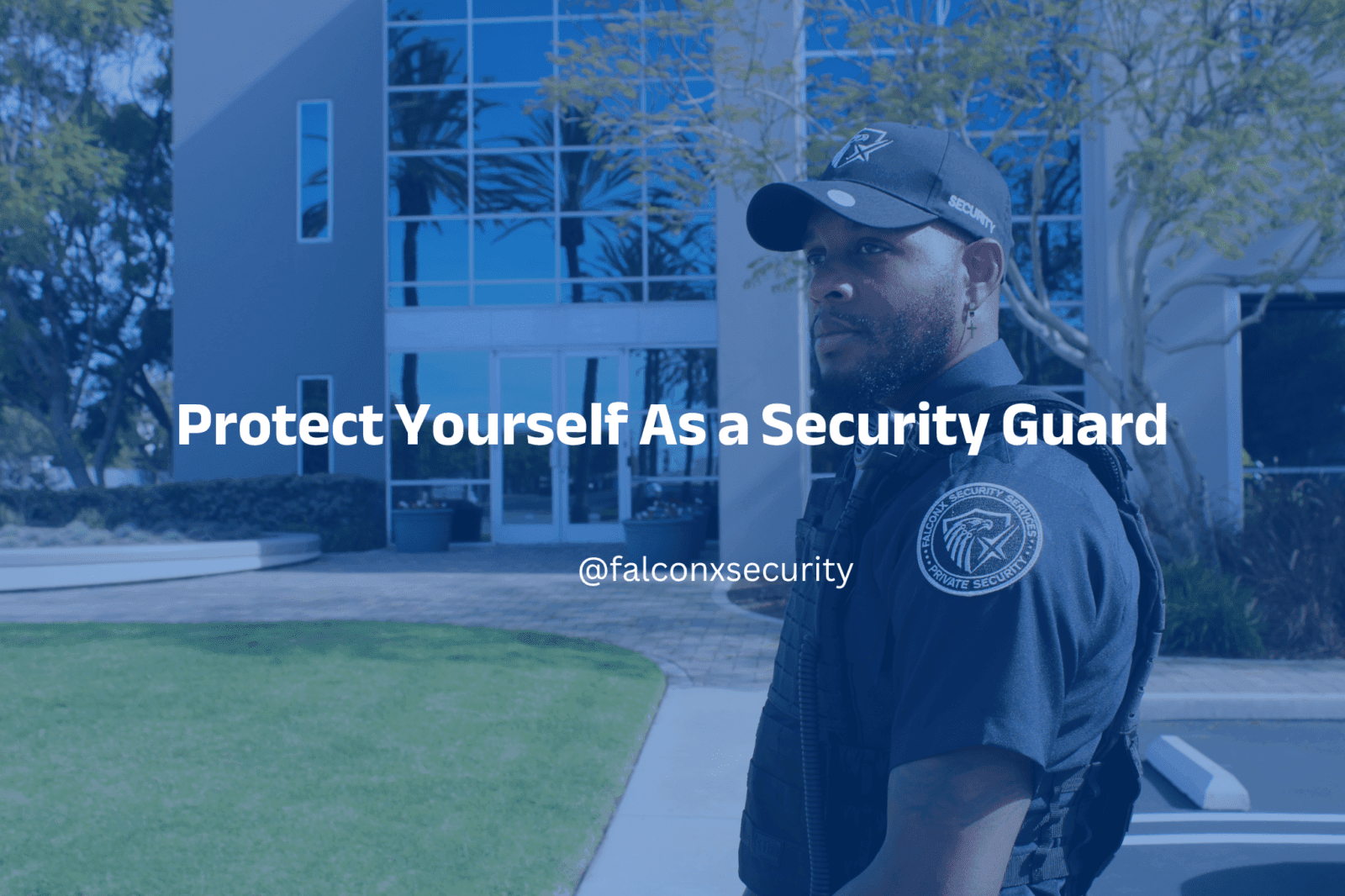
As a security guard, you protect yourself by staying alert and aware of your surroundings, using proper equipment, and following safety protocols. Maintaining physical fitness and undergoing regular training also helps in staying prepared for any situation.
Being a security guard comes with its own set of challenges and risks. Whether you work in a corporate office, a retail store, or a public event, your safety is of utmost importance. We will explore the various ways security guards can protect themselves while on duty.
We will discuss the importance of situational awareness, the use of protective gear, and the significance of ongoing training. By implementing these strategies, security guards can ensure their safety and effectively carry out their responsibilities. Let’s delve into the essential measures that security guards can take to protect themselves in their line of work.
The Basics Of Personal Safety For Security Guards
As a security guard, protecting yourself is just as important as protecting the property or people you are assigned to safeguard. Understanding the basics of personal safety is crucial for ensuring that you can effectively carry out your duties while minimizing the risk of harm to yourself. In this article, we will explore the essential protective gear and legal limits that every security guard should be aware of to maintain their safety.
Essential Protective Gear
When on duty, security guards should equip themselves with the necessary protective gear to mitigate potential risks. Here are some essential items to consider:
- Bulletproof vest
- Protective headgear, such as a helmet
- Sturdy, comfortable footwear
- Gloves for handling potentially hazardous materials
Understanding Legal Limits
Security guards must have a clear understanding of the legal limits and boundaries of their authority. It is essential to be aware of the laws and regulations about the use of force, detainment, and citizen arrest. Adhering to these legal limits not only safeguards the security guard from legal repercussions but also ensures that their actions remain within the boundaries of the law.
Situational Awareness: The First Line Of Defense
As a security guard, your primary responsibility is to protect people, property, and assets. To effectively fulfill this role, you must develop and maintain a high level of situational awareness. Situational awareness refers to the ability to perceive and comprehend your surroundings, understand the potential threats and risks present, and make informed decisions to mitigate them. By enhancing your observation skills and anticipating potential threats, you can become a valuable asset in maintaining security and preventing incidents.
Enhancing Observation Skills
To effectively protect yourself and others, it is crucial to continuously enhance your observation skills. By sharpening your ability to notice details and patterns, you can detect potential threats early on, allowing you to take appropriate action. Here are some strategies to improve your observation skills:
- Pay attention to your surroundings at all times, using all your senses.
- Scan the environment systematically, focusing on different areas and objects.
- Look for unusual or suspicious behavior, such as people loitering or acting nervously.
- Take note of any changes or deviations from the norm.
- Maintain good eye contact with individuals, as it can deter potential wrongdoers.
By consistently practicing these observation techniques, you can become more attuned to your environment and spot potential threats before they escalate.
Anticipating Potential Threats
While enhancing observation skills is crucial, it is equally important to anticipate potential threats. By proactively identifying potential risks, you can take preventive measures to minimize their impact. Here are some ways to anticipate threats:
- Stay informed about the latest security threats and trends.
- Assess the vulnerabilities of the area you are responsible for protecting.
- Consider the potential motives and tactics of potential wrongdoers.
- Regularly review and update security protocols and procedures.
- Collaborate with colleagues and share information about suspicious activities.
By anticipating potential threats, you can develop proactive strategies to deter and respond to them effectively, ensuring the safety and security of those under your protection.
Physical Fitness: Preparing For The Demands Of The Job
As a security guard, physical fitness is crucial to prepare for the demands of the job. Protecting yourself requires being in top shape, with regular exercise and a healthy diet. This will help you stay alert and respond quickly to any situation that may arise.
As a security guard, you are responsible for protecting people, property, and assets. It’s a demanding job that requires you to be alert, focused, and physically fit. To protect yourself and others, you need to be in top shape. The physical demands of the job can be challenging, and that’s why you need to prepare yourself for it.
Strength And Endurance Training
One of the essential things you need to do as a security guard is to build strength and endurance. You need to have the strength to handle any physical confrontation that may arise and the endurance to stay alert and focused during long shifts. Strength training exercises such as weightlifting, push-ups, and squats can help you build the necessary strength. Endurance training exercises such as running, swimming, and cycling can help you build your stamina.
Flexibility And Agility Workouts
Flexibility and agility are also critical for security guards. You need to be able to move quickly and easily to respond to any situation that may arise. Flexibility training exercises such as yoga and stretching can help you improve your flexibility. Agility training exercises such as ladder drills and cone drills can help you improve your speed and coordination. In conclusion, physical fitness is essential for security guards. You need to prepare yourself for the demands of the job by building strength, endurance, flexibility, and agility. By doing so, you can protect yourself and others and ensure that you are always ready to respond to any situation that may arise.
Defensive Tactics Training
As a security guard, it is crucial to be prepared for any situation that may arise while on duty. Defensive tactics training is an essential part of your training as a security guard, as it equips you with the necessary skills to protect yourself and others in potentially dangerous situations. This training includes hand-to-hand combat skills and the effective use of non-lethal weapons. By mastering these techniques, you can enhance your ability to handle confrontations and ensure the safety of yourself and those around you.
Hand-to-hand Combat Skills
Hand-to-hand combat skills are an integral part of defensive tactics training for security guards. Knowing how to defend yourself without relying on weapons is essential in situations where the use of force is necessary. These skills enable you to quickly and effectively neutralize threats, minimizing the risk of harm to yourself and others.
- Focus on learning basic
Verbal De-escalation Techniques
Verbal de-escalation techniques are crucial for security guards to defuse potentially volatile situations without resorting to physical force.
Communicating Under Pressure
Using clear and concise language can help security guards convey authority and maintain control in high-stress situations.
Negotiating With Aggressors
Active listening and showing empathy can help security guards establish rapport and find peaceful resolutions when dealing with aggressive individuals.
Technology And Equipment For Enhanced Security
Enhance your security as a guard with advanced technology and equipment. Stay protected with state-of-the-art gear designed to keep you safe on duty. Upgrade your defense strategy to ensure a secure environment for yourself and those you protect.
As a security guard, your job is to protect people and property. To do that, you need the right technology and equipment. In this article, we’ll discuss the surveillance tools and personal alarm systems that can help you do your job better.
Surveillance Tools
Surveillance tools are an essential part of any security guard’s toolkit. They allow you to monitor activity in real time and detect potential threats before they become a problem. Here are some of the most popular surveillance tools used by security guards:
- CCTV Cameras: Closed-circuit television cameras are an effective way to monitor activity in a specific area. They can be placed indoors or outdoors and provide high-quality video footage that can be viewed in real time or recorded for later use.
- Body Cameras: Body cameras are small cameras that can be worn on the body to capture video footage of interactions with the public. They can provide valuable evidence in case of a dispute or incident.
- Thermal Cameras: Thermal cameras use heat signatures to detect movement and can be used to monitor large areas, such as parking lots or warehouses.
Personal Alarm Systems
Personal alarm systems are designed to alert others when you’re in trouble. They can be worn on the body and activated with the push of a button. Here are some of the most popular personal alarm systems used by security guards:
- Panic Buttons: Panic buttons can be installed in strategic locations and used to call for help in case of an emergency.
- Whistles: Whistles are a simple and effective way to alert others when you need help. They can be worn around the neck or attached to a keychain.
- Radio Systems: Radio systems allow you to communicate with other security personnel and call for backup when needed.
In conclusion, technology and equipment play a critical role in enhancing the security guard’s ability to protect people and property. Surveillance tools like CCTV cameras, body cameras, and thermal cameras can help you monitor activity in real time and detect potential threats. Personal alarm systems like panic buttons, whistles, and radio systems can be used to call for help in case of an emergency. By using these tools, you can be better equipped to handle any situation that comes your way.
Legal Knowledge And Compliance
Legal knowledge and compliance are essential aspects of a security guard’s role, ensuring that they understand their rights and responsibilities, as well as how to effectively deal with law enforcement. By being well-versed in the legal aspects of their job, security guards can protect themselves and their clients while upholding the law.
Rights And Responsibilities
Security guards must be aware of their rights and responsibilities to effectively perform their duties. Understanding the scope of their authority and limitations is crucial in maintaining a safe and secure environment.
Dealing With Law Enforcement
When interacting with law enforcement, security guards should be knowledgeable about the proper protocols and procedures to follow. This includes knowing how to effectively communicate and collaborate with law enforcement agencies to ensure the safety and security of the premises.
Stress Management And Mental Health
Managing stress and maintaining mental health is crucial for security guards who often face high-pressure and challenging situations. It’s essential to recognize the signs of burnout and develop coping strategies to ensure a healthy and productive work environment.
Recognizing Signs Of Burnout
Burnout can manifest in various ways, including fatigue, irritability, and decreased job performance. It’s important to pay attention to these signs and take proactive steps to address them before they escalate.
Coping Strategies For High-stress Situations
- Practice deep breathing and mindfulness techniques to stay calm in intense situations.
- Take regular breaks to rest and recharge during long shifts.
- Engage in physical activity or hobbies outside of work to relieve stress and maintain a healthy work-life balance.
- Seek support from colleagues, supervisors, or professional counselors to discuss challenging experiences and emotions.
Frequently Asked Questions
How Will You Protect The People As A Security Guard?
As a security guard, I protect people by maintaining a safe and secure environment. I monitor surveillance systems, control access to premises, and respond to emergencies. My presence deters criminal activity and ensures the safety of individuals and property.
How Do Security Guards Defend Themselves?
Security guards defend themselves through physical training, the use of protective gear, and self-defense techniques such as martial arts and pepper spray. They are also trained to assess and avoid potentially dangerous situations, and to call for backup when necessary.
How To Be Safe As A Security Guard?
To be safe as a security guard, follow these guidelines: 1. Stay alert and aware of your surroundings at all times. 2. Communicate effectively with your team and report any suspicious activity. 3. Follow proper safety protocols and wear protective gear when necessary.
4. Maintain a professional demeanor and avoid confrontations whenever possible. 5. Continuously update your training and knowledge to stay prepared for any situation.
What Is The Golden Rule Of Security Guards?
The golden rule of a security guard is to ensure the safety and protection of people and property at all times. This involves being vigilant, observant, and responsive to any potential threats or incidents. Additionally, maintaining good communication and following procedures are essential for effective security.
Conclusion
As a security guard, prioritize safety with proper training and equipment. Stay vigilant and aware of your surroundings. Regularly assess risks and update security protocols. Communication with team members is key for effective response. Remember, your role is crucial in maintaining safety and security.
Stay prepared, stay safe.