Archives January 2025

What are the Main Functions of a Security Guard

The main functions of a security guard include ensuring the safety and security of people, property, and assets through patrols, monitoring surveillance systems, and responding to emergencies. They also enforce rules and regulations to prevent unauthorized access and maintain a visible presence to deter criminal activity.

Security guards play a crucial role in maintaining a secure environment for businesses, public spaces, events, and residential areas. Their presence helps to prevent theft, vandalism, and disturbances, creating a sense of safety and peace of mind for the people they protect.

By being vigilant and proactive, security guards contribute to deterring potential threats and maintaining order in various settings. Their responsibilities require them to be alert, responsive, and prepared to handle unexpected situations, making them essential in ensuring the overall security of a location.

What are the Main Functions of a Security Guard

The Role Of Security Guards

Security guards play a crucial role in maintaining safety and security in various environments. Their responsibilities encompass a wide range of duties, from protecting property to responding to emergencies. Understanding the main functions of security guards sheds light on their essential role in safeguarding people and assets.

Protectors Of Property

Security guards act as vigilant protectors of property, monitoring premises to prevent theft, vandalism, and unauthorized access. They conduct regular patrols, enforce security protocols, and provide a visible deterrent to potential intruders. Their proactive presence helps maintain a secure environment, safeguarding valuable assets and ensuring the safety of occupants.

First Responders In Emergencies

In the event of emergencies, security guards serve as first responders, promptly addressing incidents such as fires, medical emergencies, or security breaches. They are trained to assess and mitigate risks, provide assistance to those in need, and coordinate with emergency services to ensure a swift and effective response. Their quick actions can help minimize damage and protect lives in critical situations.


Surveillance Duties

Security guards perform various surveillance duties such as monitoring CCTV cameras, patrolling premises, and inspecting equipment to ensure safety and security. They are responsible for preventing theft, vandalism, and other criminal activities, while also responding to emergencies and providing customer service.

Surveillance duties form a crucial part of a security guard’s responsibilities. They are responsible for maintaining a safe and secure environment by monitoring and assessing potential threats. Let’s take a closer look at two key surveillance duties performed by security guards:

Monitoring CCTV

One of the primary surveillance duties of a security guard involves monitoring closed-circuit television (CCTV) systems. These systems consist of strategically placed cameras that capture live footage of the premises. By constantly observing the CCTV feed, security guards can quickly detect any suspicious activities or potential security breaches.

They keep a vigilant eye on the screens, scanning for any unauthorized access, theft, or vandalism. When they spot any unusual behavior, they are trained to respond promptly, taking appropriate actions to mitigate the risk. Whether it’s alerting the authorities, contacting the necessary personnel, or intervening directly, security guards play a critical role in maintaining the safety of the premises.

Patrolling Premises

In addition to monitoring CCTV, security guards also conduct regular patrols of the premises. This involves physically inspecting different areas to ensure everything is in order and no security concerns are overlooked. Patrolling allows security guards to actively deter potential threats and create a visible presence that discourages criminal activities.

During their patrols, security guards carefully examine doors, windows, and other entry points to identify any signs of forced entry or tampering. They also keep an eye out for any suspicious individuals loitering around the premises. By maintaining an active presence and conducting thorough inspections, security guards can prevent security breaches and provide peace of mind to the occupants.

Access Control

A critical function of a security guard is to maintain strict access control measures to ensure the safety and security of a premises.

Screening Visitors

Security guards are responsible for screening visitors to determine their identity and purpose of visit.

Managing Entry Points

Security guards play a key role in managing entry points to prevent unauthorized access and maintain a secure environment.


Crowd Management

The main functions of a security guard include crowd management, ensuring safety, and preventing unauthorized access. They play a crucial role in maintaining order and protecting individuals and property in various settings.

Security guards play an essential role in maintaining order and ensuring safety in various settings. Among their main functions is crowd management, which involves controlling and directing people in large gatherings. Crowd management can be a challenging task, especially in events with a massive attendance. To ensure a successful and safe event, security guards must be knowledgeable and competent in maintaining order, implementing emergency evacuation procedures, and managing crowds efficiently.

Maintaining Order

Maintaining order is the primary function of security guards in crowd management. They are responsible for ensuring that attendees follow the rules and regulations set by the event organizers. This includes monitoring the behavior of attendees, managing lines and queues, and controlling access to restricted areas. Security guards must have excellent communication and conflict resolution skills to handle situations that may arise.

Emergency Evacuation Procedures

In case of an emergency, security guards must implement emergency evacuation procedures to ensure the safety of attendees. They must be knowledgeable about the event venue’s layout and exit points to direct people to safety efficiently. Security guards must also be aware of potential hazards and the appropriate response to different emergency situations, such as fires, natural disasters, and terrorist attacks.

Efficient Crowd Management

Efficient crowd management is crucial to the success of any event. Security guards must have the skills and knowledge to manage crowds effectively, ensuring that attendees are safe and comfortable. They must be able to control the flow of people, prevent overcrowding, and manage any conflicts that may arise. In events with high-profile guests, security guards must be able to balance crowd control with VIP protection. In conclusion, crowd management is a critical function of security guards in ensuring the safety and success of events. Security guards must be knowledgeable and competent in maintaining order, implementing emergency evacuation procedures, and managing crowds efficiently. By doing so, they can help create a safe and enjoyable experience for attendees.

Law Enforcement Liaison

A crucial function of a security guard is acting as a liaison between law enforcement agencies and the organization they work for. This role involves reporting crimes and collaborating with the police to ensure a safe and secure environment. By working closely with law enforcement, security guards play a vital role in maintaining order and preventing criminal activity.

One of the main responsibilities of a security guard in their role as a law enforcement liaison is to promptly report any criminal activity or incidents that occur on the premises they are responsible for. This includes theft, vandalism, trespassing, and other unlawful acts. By reporting crimes in a timely manner, security guards help law enforcement agencies take appropriate action and gather evidence for investigations. Effective reporting not only helps catch perpetrators but also deters potential criminals from targeting the area.

In addition to reporting crimes, security guards also collaborate with the police in various ways. This collaboration can involve assisting law enforcement officers during investigations, providing information and witness statements, and even testifying in court if required. Security guards act as a bridge between the organization and law enforcement, ensuring a smooth flow of information and cooperation.

By maintaining regular communication with the police, security guards can keep law enforcement agencies updated on any security concerns or potential threats. This collaboration allows for a quicker response to emergencies and enhances the overall safety of the premises.

Risk Assessment

Security guards play a crucial role in risk assessment. They are responsible for monitoring and identifying potential security threats, preventing unauthorized access, and responding to emergencies. The main functions of a security guard are to maintain a safe and secure environment for people and property.

Security guards play a vital role in safeguarding people, property, and assets. One of their primary functions is to conduct a risk assessment to identify potential threats and vulnerabilities. Risk assessment is an essential process to ensure that appropriate security measures are in place to prevent incidents from occurring. In this section, we will discuss the two main components of risk assessment, identifying threats, and implementing security measures.

Identifying Threats

The first step in the risk assessment process is to identify potential threats. Security guards must be able to recognize and evaluate the risks associated with the environment they are protecting. Some of the common threats include theft, vandalism, trespassing, and violence. By identifying potential threats, security guards can develop strategies to mitigate them effectively. This includes monitoring the premises for suspicious activity, conducting regular patrols, and identifying vulnerable areas that require additional security measures.

Implementing Security Measures

Once potential threats have been identified, security guards must implement appropriate security measures. This includes developing a security plan that addresses the specific risks associated with the environment. Security guards may install security cameras, alarms, and access control systems to prevent unauthorized entry. They may also implement policies and procedures to ensure that employees and visitors adhere to security protocols. By implementing these measures, security guards can minimize the risk of incidents occurring and provide a safe and secure environment for all. In conclusion, risk assessment is a critical function of security guards. By identifying potential threats and implementing appropriate security measures, security guards can prevent incidents from occurring and provide a safe and secure environment.


Customer Service

Customer service is a vital aspect of a security guard’s role, as they play a crucial part in creating a welcoming and safe environment for visitors and customers. Security guards are often the first point of contact for anyone entering a premises, and their customer service skills can significantly impact the overall experience of visitors. Let’s delve into the specific functions related to customer service that security guards fulfill.

Assisting Visitors

Security guards assist visitors by providing directions, helping with parking, and escorting individuals to their destinations. Their presence offers a sense of security and guidance, ensuring that visitors feel comfortable and well-supported during their time on the premises. Additionally, security guards may assist in managing crowds during events or peak times, ensuring a smooth flow of foot traffic.

Providing Information

Another essential function of security guards in terms of customer service is providing information. They are often knowledgeable about the premises and its layout, which allows them to offer valuable information to visitors. Whether it’s pointing out the location of specific facilities or answering general inquiries, security guards serve as valuable sources of information, enhancing the overall experience for visitors.

Emergency Response Preparedness

Emergency Response Preparedness is one of the key functions of a security guard. Being prepared to handle emergencies is crucial to ensuring the safety and well-being of people within a premises. Security guards are trained to respond effectively to various emergency situations, equipped with the necessary skills and knowledge to mitigate risks and provide timely assistance.

First Aid Skills

Security guards are trained in first aid skills, enabling them to administer immediate medical assistance in case of injuries or medical emergencies. They are equipped to handle situations such as providing CPR, controlling bleeding, and stabilizing individuals until professional medical help arrives.

Fire Safety Procedures

Security guards are well-versed in fire safety procedures and protocols. They are responsible for implementing fire evacuation plans, guiding individuals to safety, and using firefighting equipment when necessary. Their quick response and knowledge of fire safety measures are essential in preventing casualties during a fire outbreak.

Frequently Asked Questions

What Are The 3 Core Functions Of A Security Guard?

The 3 core functions of a security guard are to deter, detect, and report security incidents.

What Are The Five Functions Of Security?

The five functions of security include protecting data, preventing unauthorized access, detecting and responding to threats, ensuring privacy, and maintaining the integrity of systems. Security measures safeguard information and systems from potential risks and vulnerabilities.

What Is The Main Duty Of A Security Guard Gate?

The main duty of a security guard gate is to monitor and control access to a specific area, ensuring only authorized individuals enter. They also provide a visible presence to deter unauthorized activity and respond to any security incidents that may occur.

What Are The 4 Purposes For Hiring A Security Guard?

Security guards are hired for deterrence, prevention, protection, and response purposes. They help maintain safety and security on premises.

Conclusion

Security guards play vital roles in protecting people and property. Their functions include monitoring, deterring crime, and responding to emergencies. Hiring skilled security guards is crucial for maintaining safety and security in various settings. Prioritizing proper training and support for security personnel is essential for ensuring effective security measures.
What is Security Guard Responsibility in Case of Fire

In case of fire, a security guard’s responsibility is to evacuate people and secure the premises. Security guards play a crucial role in ensuring the safety of individuals and property during emergencies such as fires.

Their quick thinking and decisive actions can prevent injuries and minimize damage. By following established protocols and guiding people to safety, security guards act as frontline responders in emergency situations. Their vigilance and preparedness are essential in maintaining a safe environment for all occupants.

In the event of a fire, security guards must remain calm, alert, and ready to execute evacuation procedures effectively.

The Role of Security Guards During a Fire

Security guards play a crucial role in ensuring the safety and security of a premise during a fire emergency. Their quick thinking, decisive actions, and ability to maintain order can make a significant difference in minimizing the impact of a fire. Let’s delve into the specific responsibilities and actions that security guards take on during a fire emergency.

Initial Detection and Response

Security guards are often the first line of defense when it comes to detecting a fire. Their vigilance and awareness enable them to spot potential fire hazards or signs of a fire breakout. Once a fire is detected, security guards must promptly sound the alarm, alert the authorities, and initiate the evacuation process. Their swift response can help prevent the fire from spreading and give occupants valuable time to evacuate safely.

Assisting In Evacuation

During a fire emergency, security guards are responsible for assisting in the orderly evacuation of the premises. They must guide occupants to the nearest exits, provide clear instructions, and ensure that everyone evacuates in a calm and orderly manner. Their presence can help prevent panic and confusion, ultimately facilitating a swift and safe evacuation process.

Emergency Preparedness and Training

Security guards play a crucial role in emergency preparedness and training, especially in case of fire. Their responsibilities include evacuating people, directing them to safety, and ensuring that everyone is accounted for. With proper training, security guards can help prevent injuries and save lives during a fire emergency.

In the event of a fire, security guards play a crucial role in ensuring the safety of individuals and minimizing potential damage. Emergency preparedness and training are essential for security guards to effectively respond to such situations. This article will discuss the fire safety training requirements for security guards and the importance of conducting regular drills.

Fire Safety Training Requirements

Security guards must undergo comprehensive fire safety training to develop the necessary skills and knowledge required for handling fire emergencies. This training equips them with the ability to assess the situation quickly and take appropriate actions, ensuring the safety of everyone involved. The following topics are typically covered in fire safety training for security guards:

  1. Understanding the nature of fires and how they spread
  2. Identifying fire hazards and taking preventive measures
  3. Proper usage of fire extinguishers and other firefighting equipment
  4. Evacuation procedures and emergency exit routes
  5. Communication protocols during a fire incident

Conducting Regular Drills

Regular fire drills are crucial to assess the effectiveness of the security guard’s training and ensure everyone is prepared for a real emergency. These drills simulate fire scenarios and allow security guards to practice their response procedures. By conducting regular drills, security guards can familiarize themselves with evacuation routes, emergency equipment locations, and communication protocols. Moreover, it provides an opportunity to identify any weaknesses in the emergency response plan and make necessary improvements. During these drills, security guards should focus on the following:

  • Effective communication with building occupants
  • Guiding individuals to safe evacuation routes
  • Ensuring the orderly evacuation of the premises
  • Coordinating with the fire department and other emergency services
  • Accounting for all individuals and reporting any missing persons

Regular drills not only enhance the security guard’s preparedness but also instill confidence in building occupants, reassuring them that proper safety measures are in place. By meeting the fire safety training requirements and conducting regular drills, security guards fulfill their responsibility in case of a fire. Their training and preparedness ensure a swift and organized response, minimizing the potential risks and ensuring the safety of all individuals involved.

Communication Protocols in Fire Emergencies

Notifying Fire Services

Security guards play a crucial role in notifying fire services promptly during emergencies.

Coordinating With Building Management

They are responsible for coordinating with building management to ensure a coordinated response.

Evacuation Procedures and Assistance

Security guards play a crucial role in ensuring safety and security in various settings. They are responsible for maintaining order and responding to emergencies, including fires. In case of a fire outbreak, security guards need to be well-trained and equipped with the necessary skills to handle the situation effectively. One of the primary responsibilities of security guards during a fire is to ensure that everyone evacuates the building safely. This article discusses the evacuation procedures and assistance that security guards should provide during a fire outbreak.

Guiding Occupants to Safety

Security guards should be trained to guide occupants to safety during a fire outbreak. They should be familiar with the evacuation routes and ensure that everyone uses them to exit the building. Moreover, they should be prepared to assist people who require extra help, such as the elderly or disabled. They should also ensure that people do not panic and follow the evacuation procedures calmly and orderly.

Managing Crowd Control

During a fire outbreak, people may panic and rush to exit the building, creating chaos. Security guards should be trained to manage crowd control and ensure that people exit the building in an orderly manner. They should also ensure that people do not re-enter the building until it is safe to do so. They should be able to provide clear and concise instructions and maintain calm communication to avoid escalating the situation.

Providing Assistance

Security guards should be prepared to provide assistance during a fire outbreak. They should be trained to use fire extinguishers and other firefighting equipment to contain the fire if it is safe to do so. They should also be trained to administer first aid to anyone who requires it and coordinate with emergency services to ensure that help arrives on time. Moreover, they should be able to account for all occupants and ensure that everyone is safe.

Security guards play a vital role in ensuring safety and security during a fire outbreak. They should be well trained and equipped with the necessary skills to handle the situation effectively. They should guide occupants to safety, manage crowd control, and provide assistance during a fire outbreak. By doing so, they can prevent injuries and save lives.

Using Fire Safety Equipment

Security guards have a crucial responsibility in case of a fire, ensuring the safety of individuals by using fire safety equipment effectively. From extinguishing fires to evacuating people, they play a vital role in minimizing damage and protecting lives.

In the event of a fire, security guards play a crucial role in ensuring the safety of both people and property. One of their main responsibilities is to be familiar with and capable of using fire safety equipment effectively. This includes operating fire extinguishers and understanding fire alarm systems.

Operating Fire Extinguishers

Fire extinguishers are essential tools for security guards to have at their disposal during a fire emergency. Knowing how to properly operate them can make a significant difference in containing and extinguishing a fire before it spreads. Here are the steps to follow when using a fire extinguisher:

  1. First, pull the pin on the extinguisher, which will break the tamper seal and allow you to discharge the extinguishing agent.
  2. Aim the nozzle or hose at the base of the fire, not at the flames themselves.
  3. Squeeze the handle or lever to release the extinguishing agent.
  4. Sweep the nozzle or hose from side to side, covering the entire area of the fire.
  5. Continue discharging the extinguisher until the fire is completely out or until the extinguishing agent is depleted.

Remember, fire extinguishers are only effective for small fires. If the fire becomes too large or dangerous to handle, it is crucial to prioritize the evacuation of people and contact the fire department immediately.

Understanding Fire Alarm Systems

Fire alarm systems are vital in alerting people to the presence of a fire and initiating the necessary emergency response. As a security guard, it is essential to have a thorough understanding of the fire alarm systems in the facility you are responsible for. This includes knowing the different types of alarms and their signals, as well as how to respond in the event of an alarm:

  • When a fire alarm sounds, remain calm and take immediate action.
  • Quickly assess the situation and determine the location of the fire.
  • If it is safe to do so, investigate the area to confirm the presence of a fire.
  • Activate the building’s evacuation procedures, ensuring that all occupants are alerted and directed to the nearest exits.
  • Notify the fire department of the situation and provide them with accurate information regarding the location and nature of the fire.

Understanding and efficiently responding to fire alarm systems can significantly minimize the potential damage and ensure the safety of everyone in the building. By being knowledgeable about how to operate fire extinguishers and understanding fire alarm systems, security guards can fulfill their responsibility in case of a fire emergency. Their quick and effective actions can make a significant difference in preventing the spread of fire and ensuring the safety of individuals and property.

Post-fire Responsibilities

The security guard’s primary responsibility in case of fire is to ensure the safety of all occupants. They must evacuate the building, call the fire department, and provide assistance as needed. After the fire, they must secure the area and report any damages or security breaches to the appropriate authorities.

After a fire incident, the role of a security guard doesn’t end with extinguishing the flames or evacuating the building. Instead, they have a crucial responsibility to secure the scene, assist in the investigation and recovery process, and ensure the safety of all individuals involved. Let’s take a closer look at each of these responsibilities.


Securing The Scene

One of the primary responsibilities of a security guard after a fire is to secure the scene and prevent unauthorized access. They need to create a perimeter around the affected area and restrict entry to only authorized personnel. This helps to minimize the risk of further damage and ensures that the investigation can be conducted thoroughly. To secure the scene, the security guard needs to be equipped with the necessary tools and equipment such as barriers, tapes, and signs. They should also have a clear understanding of the different types of hazards that can arise from the fire incident, such as electrical hazards, gas leaks, or structural instability.

Assisting In Investigation and Recovery

The security guard also plays a crucial role in assisting the investigation and recovery process. They need to cooperate with the fire department and other emergency responders and provide them with any information they need to conduct their investigation. They should also document the scene by taking photographs and videos and record any information that can be relevant to the investigation. The security guard can also help in identifying potential witnesses and securing their contact information.

Ensuring Safety

Finally, the security guard needs to ensure the safety of all individuals involved in the fire incident. They need to assist in the evacuation process and provide first aid if necessary. They should also monitor the air quality and ensure that there are no lingering hazards that can cause harm to individuals. In addition, the security guard needs to communicate effectively with the building occupants, providing them with any updates and instructions to ensure their safety. This includes informing them about the status of the building, any potential hazards, and when it is safe to re-enter the area. In conclusion, a security guard plays a critical role in responding to a fire incident. Their post-fire responsibilities include securing the scene, assisting in the investigation and recovery process, and ensuring the safety of all individuals involved. With proper training and equipment, they can help to minimize the risk of further damage and ensure that the incident is handled efficiently and effectively.

Legal And Ethical Considerations

In the event of a fire, security guards have legal and ethical responsibilities that must be adhered to. These responsibilities encompass adhering to local fire safety regulations and prioritizing human life over property. It is crucial for security guards to be well-versed in these considerations to effectively fulfill their duties in case of a fire emergency.

Adhering To Local Fire Safety Regulations

Security guards must ensure compliance with local fire safety regulations to prevent and mitigate the impact of fires on the premises they are responsible for. This involves familiarizing themselves with the specific fire safety guidelines and protocols set forth by the local authorities. Adhering to these regulations not only safeguards the property and its occupants, but also ensures that the security guard is fulfilling their legal obligations.

Prioritizing Human Life Over Property

When a fire breaks out, the primary focus of a security guard must be to prioritize human life over property. Ensuring the safe evacuation of individuals, providing assistance to those in need, and coordinating with emergency services are paramount. This ethical consideration emphasizes the importance of valuing human safety above all else in the event of a fire emergency.

Case Studies: Security Guards and Fire Incidents

Successful Interventions

During fire incidents, security guards play a crucial role in ensuring the safety of the premises and its occupants. In a recent case study, a security guard at a commercial building successfully evacuated all employees and visitors when a fire broke out, preventing any casualties. The guard’s quick thinking and efficient communication with emergency services were instrumental in minimizing the impact of the fire.

Lessons Learned from Past Failures

Unfortunately, there have been instances where security guards failed to effectively respond to fire incidents, leading to tragic consequences. In one such case, a security guard neglected to follow proper fire safety protocols, resulting in delayed evacuation and severe injuries to several individuals. This serves as a stark reminder of the critical importance of thorough training and adherence to fire safety procedures for security personnel.

Frequently Asked Questions

What Is the Role of a Security Guard in an Emergency?

In an emergency, a security guard helps maintain order, assists with evacuations, and ensures safety.

What Should Security Do When There Is a Fire?

During a fire, security personnel should immediately activate the fire alarm, alert occupants, and assist in evacuating the premises. They should also contact emergency services, ensure safe access for firefighters, and follow established emergency protocols to minimize risks and protect lives.

What Is the Main Responsibility of a Security Guard?

The main responsibility of a security guard is to protect people and property by monitoring and patrolling. They also respond to emergencies and enforce rules to maintain safety and security.

When Responding to a Fire, The Security Guard Should Consider?

Consider evacuating occupants, alerting emergency services, following evacuation procedures, staying calm, and prioritizing safety.

Conclusion

Security guards play a crucial role in fire emergencies, ensuring safety and order. Their responsibilities include guiding occupants to safety, assisting with evacuation procedures, and communicating with emergency services. It’s imperative for security guards to undergo proper training and be equipped to handle fire-related situations effectively.

Their swift and decisive actions can save lives and minimize damage during such critical incidents.


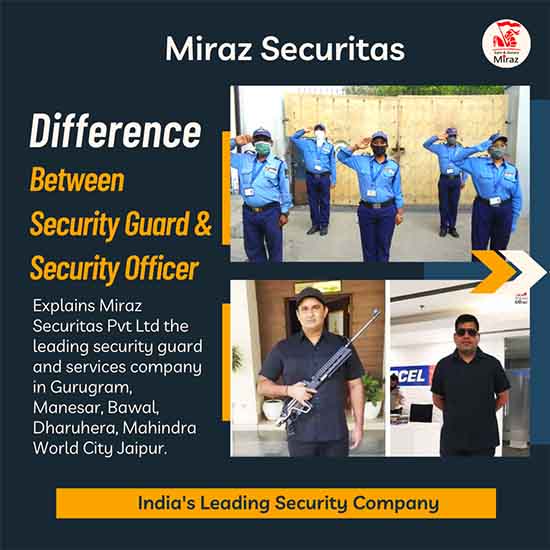
What is the Difference between Security Guard And Security Officer

A security guard typically carries out basic tasks, while a security officer has more extensive training and responsibilities. Security guards are often hired to monitor premises and deter potential threats, while security officers are trained to handle more complex security situations and emergencies.

Both play crucial roles in maintaining safety and security in various settings, such as residential complexes, retail establishments, or events. Understanding the key differences between security guards and security officers can help businesses and individuals make informed decisions when hiring security personnel.

We will delve deeper into the distinctions between these two security roles and highlight the unique skills and responsibilities associated with each position.

Credit: smartsecuritypros.com

Introduction To Security Roles

Security plays a crucial role in safeguarding people, property, and assets. When it comes to maintaining safety and order, security guards and security officers are often at the forefront. Although the terms “security guard” and “security officer” are sometimes used interchangeably, they actually refer to different roles within the security industry. In this blog post, we will explore the differences between security guards and security officers, starting with the basics of each role.

Security Guard Basics

A security guard is an individual responsible for protecting a specific location or property. Security guards are typically employed by private companies, government agencies, or organizations that need to maintain a secure environment. They may work in various settings such as residential areas, shopping malls, banks, or construction sites.

Security guards perform a wide range of duties, including patrolling the premises, monitoring surveillance cameras, and inspecting access points. They are trained to detect and report any suspicious activities, respond to emergencies, and provide assistance to individuals in need. In some cases, security guards may also enforce rules and regulations, such as checking identification or conducting bag checks.

Key responsibilities of a security guard:

  • Patrolling the premises to deter and detect unauthorized activities
  • Monitoring surveillance cameras and alarm systems
  • Responding to emergencies and providing first aid if necessary
  • Assisting visitors and employees with inquiries or concerns

Security Officer Fundamentals

A security officer, on the other hand, is a more comprehensive role that encompasses the responsibilities of a security guard and extends beyond. Security officers are often employed by larger organizations or government agencies that require a higher level of security measures.

In addition to the duties performed by security guards, security officers may also be responsible for developing and implementing security protocols, conducting risk assessments, and managing security systems. They may supervise a team of security guards and ensure that all security measures are properly executed.

Key responsibilities of a security officer:

  • Developing and implementing security protocols
  • Conducting risk assessments and identifying potential vulnerabilities
  • Managing security systems, such as access control or CCTV
  • Supervising and training security personnel

In conclusion, while security guards focus on protecting specific locations and maintaining order, security officers have a broader scope of responsibilities that involve strategic planning and management of security measures. Both roles are essential in ensuring the safety and security of people and assets.

What is the Difference between Security Guard And Security Officer


Key Responsibilities

When it comes to security, the roles of security guards and security officers are often used interchangeably. However, there are distinct differences in their key responsibilities. Understanding these differences is crucial for businesses and organizations in determining their security needs. Let’s delve into the key responsibilities of security guards and security officers, focusing on their on-the-ground duties and strategic functions.

On-the-ground Duties Of Security Guards

Security guards are primarily responsible for maintaining a visible presence and patrolling a designated area to prevent and detect signs of intrusion, fire, or other hazards. They often monitor surveillance equipment, inspect buildings and control access points. Their duties also include responding to alarms and incidents, providing customer service, and documenting any security-related occurrences. In addition, security guards may enforce regulations and ensure compliance with company policies.

Strategic Functions Of Security Officers

On the other hand, security officers are involved in more strategic functions, such as developing and implementing security policies and procedures. They conduct risk assessments, analyze security data, and devise security plans to mitigate potential threats and vulnerabilities. Security officers also collaborate with management to create emergency response protocols and provide training to staff on security measures. They may oversee security operations, manage security personnel, and liaise with law enforcement agencies when necessary. Furthermore, security officers often play a key role in conducting investigations and gathering evidence related to security breaches or incidents.

Required Skills And Competencies


When it comes to the security industry, both security guards and security officers play crucial roles in ensuring safety and protection. Understanding the required skills and competencies for these positions is essential for aspiring professionals.

Physical And Technical Skills For Guards

  • Physical fitness and stamina
  • Observation and surveillance abilities
  • Basic knowledge of security systems
  • Emergency response skills

Management And Operational Skills For Officers

  1. Leadership and decision-making capabilities
  2. Effective communication and conflict resolution
  3. Knowledge of security protocols and procedures
  4. Ability to analyze and assess security risks
What is the Difference between Security Guard And Security Officer

Credit: miraz-securitas.com

Training And Certification

Security guards are generally employed to protect properties, assets, and people. They are usually unarmed and may have limited training. A security officer, on the other hand, is a trained professional who has been certified to perform a wider range of duties such as monitoring surveillance equipment, responding to emergencies, and enforcing laws.

Security guards and security officers are two distinct roles that require different levels of training and certification. While both positions involve ensuring the safety and security of people and property, the responsibilities and requirements for each vary significantly. In this article, we will explore the differences between the two and focus on the training and certification required for each role.

Standard Training For Security Guards

Security guards are typically responsible for monitoring and patrolling a specific area, such as a shopping mall or office building, to ensure the safety of people and property. The training for security guards is usually less comprehensive than that of security officers and can vary depending on the state or country. However, most security guard training programs cover the following topics:

  • Basic security procedures and protocols
  • Emergency response and crisis management
  • Report writing and documentation
  • Communication and customer service

Advanced Certification For Security Officers

Security officers, on the other hand, have a more specialized and advanced role, which requires more extensive training and certification. Security officers are responsible for managing security operations, conducting investigations, and providing expert security advice to clients. The certification for security officers is usually more rigorous than that of security guards and can include the following:

Training Areas Certifications
Legal aspects of security Certified Protection Professional (CPP)
Security risk assessment Physical Security Professional (PSP)
Investigations Professional Certified Investigator (PCI)
Executive protection Board Certified in Security Management (BCSM)

In conclusion, the training and certification requirements for security guards and security officers are different due to their respective roles and responsibilities. While security guards require standard training, security officers need advanced certification to perform their duties effectively. Therefore, it is crucial for businesses and organizations to understand the differences between the two positions and ensure that they have the right personnel to address their security needs.


Work Environment And Conditions

When it comes to the work environment and conditions, there are notable differences between security guards and security officers. These differences can impact the day-to-day tasks and responsibilities of individuals working in these roles.

Frontline Operations For Guards

Security guards typically work in frontline operations, where they are responsible for maintaining a visible presence and ensuring the safety and security of a specific location. This can include duties such as patrolling designated areas, monitoring surveillance cameras, and responding to incidents or emergencies.

Guards often work in various settings, such as shopping malls, airports, hospitals, or office buildings. They are required to be on their feet for long periods, which can be physically demanding. Additionally, guards may need to work outdoors in all weather conditions, making adaptability and resilience crucial qualities for this role.

Furthermore, security guards may be required to work irregular hours, including nights, weekends, and holidays, as security is needed around the clock. This aspect of their work can lead to potential disruptions in their personal lives and requires a high level of dedication.

Behind-the-scenes For Officers

On the other hand, security officers often work in behind-the-scenes roles, focusing on planning, coordination, and management of security operations. They are responsible for developing security protocols, conducting risk assessments, and implementing strategies to mitigate potential threats.

Security officers typically work in an office environment, where they can analyze data, review security reports, and collaborate with other personnel to ensure effective security measures. They may also be involved in training security staff or conducting investigations into security breaches or incidents.

Unlike security guards, officers may have more regular working hours, typically following a standard 9-to-5 schedule. This allows for a more predictable work routine and a better work-life balance.

In conclusion, while security guards primarily focus on frontline operations, security officers handle more administrative and managerial tasks. These differences in work environment and conditions can significantly impact the day-to-day experiences of individuals in these roles, requiring unique skill sets and adaptability.

Career Path And Progression

Individuals who are interested in pursuing a career in the security industry often wonder about the difference between a security guard and a security officer. While the two roles share similarities, there are a few key differences to keep in mind. One of the main differences is in their career path and progression.

After gaining some experience as a security guard, you can advance to a security officer position. Security officers have more responsibilities than security guards. They are responsible for managing and supervising security guards, developing security plans, and implementing security measures.

Security officers also need to have excellent communication skills to interact with clients, law enforcement, and other stakeholders. They should have a good understanding of the security industry’s best practices and have experience working in the field.

Overall, starting as a security guard and advancing to a security officer position requires dedication, hard work, and experience. However, with the right training and experience, you can have a successful and fulfilling career in the security industry.

Legal And Ethical Considerations

Compliance Requirements

Security guards and security officers are both subject to legal compliance requirements as mandated by state and federal laws. These regulations dictate the necessary qualifications, training, and licensing needed to perform security duties. Security personnel must adhere to specific guidelines regarding the use of force, detention of individuals, and protection of property. Furthermore, they must stay updated on changes in legislation to ensure ongoing compliance.

Ethical Responsibilities In Security Roles

Ethical responsibilities are integral to the roles of security guards and officers. They are entrusted with the safety and well-being of individuals and property, necessitating a high level of integrity and accountability. Security personnel must act ethically in all situations, demonstrating respect for human rights, confidentiality, and privacy. They are also expected to conduct themselves with honesty, fairness, and professionalism at all times, upholding the trust placed in them by clients and the public.

Real-world Examples

Case Studies Of Security Guards

Security guards play a crucial role in maintaining safety and security in various settings. Let’s explore some real-world case studies that highlight the responsibilities and challenges faced by security guards.

Profiles Of Successful Security Officers

Successful security officers demonstrate exemplary skills and qualities that set them apart in the field. Let’s delve into real-life profiles of security officers who have excelled in their roles, showcasing their expertise and dedication.

Frequently Asked Questions

What Is The Difference Between A Guard And A Security Officer?

A guard provides basic protection and surveillance, while a security officer has more advanced training and authority to handle potential threats. Guards typically work in lower-risk environments, while security officers are employed in higher-risk settings like airports or government buildings.

What Is The Role Of A Security Officer?

A security officer is responsible for maintaining safety and security in a particular area or premises. They monitor and patrol the area, check for any suspicious activities, and investigate any security breaches or incidents. They also ensure that all security protocols and procedures are followed and may provide assistance to emergency services if needed.

What Is A Security Officer Called?

A security officer is often called a guard or security guard. They are responsible for protecting people and property.

What Is The Difference Between a Safety Officer And a Security Guard?

A safety officer focuses on preventing accidents and ensuring compliance with safety regulations. A security guard is responsible for protecting property and people from theft and vandalism.

Conclusion

While security guards and security officers share similar responsibilities, their roles differ in terms of training and authority. Understanding the distinction between the two positions is crucial for businesses seeking to enhance their security measures. By recognizing the unique contributions of each role, organizations can effectively bolster their security protocols and ensure a safe environment for employees and patrons alike.

What are the Key Responsibilities of a Security Guard

The key responsibilities of a security guard include patrolling, monitoring surveillance equipment, and enforcing rules and regulations to maintain a safe and secure environment. Security guards also respond to emergencies and report any incidents or suspicious activities.

Security guards play a crucial role in safeguarding people and property. Their primary duty is to prevent unauthorized access and maintain order. Additionally, they must be vigilant and proactive in identifying potential security risks. With their presence and quick response, security guards provide a sense of safety and protection for the premises they are responsible for.

Their dedication and adherence to security protocols contribute to the overall well-being of the community they serve.

The Role Of A Security Guard

A security guard plays a vital role in ensuring the safety and security of people, property and premises. Their key responsibilities include monitoring surveillance equipment, conducting regular patrols, controlling access to the premises, responding to emergencies, and maintaining records of any incidents that occur on the site.

1. Protecting Property And People

A security guard plays a crucial role in safeguarding both property and people. Their primary responsibility is to prevent theft, vandalism, and other criminal activities on the premises they are assigned to protect. By maintaining a constant presence, they deter potential wrongdoers and create a safe environment for employees, customers, and visitors.

2. Maintaining A Visible Presence

A security guard is expected to maintain a visible presence at all times. This means they should be easily recognizable and accessible to anyone who may require their assistance. By patrolling the area regularly and monitoring surveillance systems, they ensure that any suspicious activities are promptly addressed.

Moreover, security guards often serve as the first point of contact in emergency situations. They are trained to handle crises calmly and efficiently, providing reassurance to those in need. This visible presence also acts as a deterrent, as potential criminals are less likely to target a location that has a security guard.

Furthermore, security guards are responsible for controlling access to the premises. They check identification, validate credentials, and enforce regulations to prevent unauthorized individuals from entering restricted areas. This helps maintain the security and integrity of the property.

In addition to their visible presence, security guards may also be required to wear specific uniforms or badges to clearly identify themselves. This helps to establish trust and authority, allowing them to effectively carry out their duties.

Surveillance Skills And Techniques

A security guard’s key responsibilities include monitoring surveillance systems, conducting patrols, and ensuring the safety of people and property. They must be skilled in surveillance techniques, able to detect and respond to potential threats effectively.


As a security guard, one of the key responsibilities is to maintain a safe and secure environment for people and property. Surveillance skills and techniques are vital to ensuring that security is maintained at all times. In this section, we will explore the different techniques and skills that security guards use to keep a watchful eye on their surroundings.

Operating Security Cameras

Security cameras are an essential tool for any security guard. As a security guard, you must know how to operate these cameras to ensure that they are working correctly. You must also be able to monitor the footage to detect any suspicious activity and respond appropriately. This includes being able to zoom in on details and capture clear images of people and vehicles.

Performing Security Checks

Security guards are responsible for performing regular security checks to ensure that the premises are secure. This includes checking doors, windows, and other entry points to ensure that they are locked and secure. You must also be able to identify any potential security risks and take appropriate action to prevent them from becoming a threat.

Patrolling The Premises

Patrolling the premises is an essential part of a security guard’s job. This involves walking around the property and keeping a watchful eye on everything that is happening. You must be able to identify any potential threats and respond appropriately to prevent any security breaches.


Responding To Emergencies

In the event of an emergency, security guards are responsible for responding quickly and appropriately to ensure the safety of people and property. This includes knowing how to evacuate the premises and contacting emergency services when necessary.

Reporting Incidents

Security guards must also be able to document any incidents that occur on the property. This includes taking notes, photographs, and video footage as necessary. You must also be able to provide a detailed report of any incidents to your supervisor or law enforcement officials if required. In conclusion, surveillance skills and techniques are essential for a security guard. By mastering these skills, you can ensure that you are doing everything possible to maintain a safe and secure environment for everyone on the premises.

Emergency Response Preparedness

A security guard’s key responsibility in emergency response preparedness is to maintain a safe and secure environment. They must be trained to handle emergencies such as fires, natural disasters, and criminal activities. Additionally, they must be able to communicate effectively with other security personnel and first responders in case of an emergency.

Responding To Incidents

Security guards play a crucial role in emergency response preparedness. One of their key responsibilities is responding to incidents promptly and effectively. Whether it’s a fire, a medical emergency, or an act of violence, security guards must be trained to assess the situation, take appropriate action, and prioritize the safety of individuals involved. In the event of an incident, security guards are the first line of defense. They are trained to remain calm and composed, ensuring the safety of everyone around them. They must quickly assess the severity of the situation and take immediate action to prevent further harm. This may involve evacuating the premises, providing first aid, or alerting the appropriate authorities.

Coordinating With Law Enforcement

When it comes to emergency response, security guards must closely coordinate with law enforcement agencies. Their primary objective is to maintain a safe environment for everyone involved. They work hand in hand with the police, providing them with crucial information and assistance during emergency situations. Security guards act as a vital link between the affected individuals and law enforcement agencies. They gather essential information regarding the incident, such as descriptions of suspects, timelines, and potential risks. This information is then relayed to the authorities, enabling them to respond effectively and efficiently. In addition to providing information, security guards also assist law enforcement agencies in securing the premises. They may help set up cordons, control access points, or provide crowd management support. By working together with the police, security guards ensure a coordinated and swift response to any emergency situation.

Ensuring A Safe Environment

Ultimately, the primary responsibility of a security guard is to ensure the safety and well-being of individuals within a given space. This involves not only responding to incidents and coordinating with law enforcement but also actively preventing potential threats. Security guards are trained to identify and address security vulnerabilities. They regularly patrol the premises, keeping an eye out for any suspicious activities or unauthorized individuals. By maintaining a visible presence, security guards act as a deterrent to potential threats, thereby minimizing the risk of incidents occurring. Moreover, security guards also monitor security systems such as surveillance cameras, alarms, and access control systems. They ensure that these systems are functioning correctly and respond promptly to any issues or malfunctions. This proactive approach helps maintain a safe environment and provides peace of mind to everyone present. In conclusion, emergency response preparedness is a crucial aspect of a security guard’s responsibilities. By promptly responding to incidents, coordinating with law enforcement, and ensuring a safe environment, security guards play a vital role in maintaining the safety and security of individuals and properties.

Communication And Reporting

A Security Guard’s key responsibilities include maintaining communication and reporting incidents promptly to ensure a safe environment. They monitor activities, enforce rules, and respond to emergencies efficiently. Effective communication and detailed reporting are essential for the security guard role.

Effective communication and reporting skills are essential for a security guard. Security guards are responsible for safeguarding the premises, people, and assets from theft, vandalism, and other threats. They are also responsible for documenting security incidents and reporting them to the relevant authorities. In this section, we will discuss the importance of effective communication skills and documenting security incidents in detail.

Documenting Security Incidents

Documenting security incidents is a crucial responsibility of a security guard. It involves recording any security-related incidents that occur on the premises. These incidents may include theft, vandalism, accidents, or any other security breaches. Security guards must document these incidents accurately and promptly. They must also ensure that the documentation is stored securely and is easily accessible. The documentation can be used as evidence in case of legal proceedings or insurance claims.

Effective Communication Skills

Effective communication skills are vital for a security guard. Security guards must communicate effectively with their colleagues, clients, and the general public. They must be able to convey information clearly and concisely. They must also be able to listen actively and respond appropriately. Effective communication skills can help prevent misunderstandings and conflicts, which can lead to a safer and more secure environment. Security guards must also be able to communicate in emergency situations, such as fire or medical emergencies. To summarize, effective communication and reporting are critical responsibilities of a security guard. They must be able to document security incidents accurately and communicate effectively with colleagues, clients, and the general public. By doing so, they can help prevent security breaches and ensure a safer and more secure environment for everyone.

Customer Service And Public Interaction

When it comes to the role of a security guard, one of the key responsibilities is customer service and public interaction. Security guards play a crucial role in maintaining a safe and welcoming environment for guests and employees. Their professionalism and ability to handle inquiries with courtesy are essential for creating a positive and secure atmosphere.

Assisting Guests And Employees

Security guards are responsible for providing assistance to guests and employees, whether it’s directing them to their destination within the premises, providing information, or offering support in case of an emergency. Their approachable demeanor and willingness to help contribute to a positive customer experience.

Handling Inquiries With Professionalism

When dealing with inquiries, security guards must maintain professionalism at all times. Whether it’s addressing concerns, providing directions, or responding to general questions, their ability to communicate effectively and courteously is paramount in ensuring a positive public interaction.

Continuous Training And Development

Continuous training and development are essential for security guards to stay updated with the latest security practices and enhance their skills. It is crucial for security professionals to engage in ongoing learning and improvement to effectively carry out their responsibilities.

Staying Updated With Security Practices

Staying updated with the latest security practices is a key responsibility of security guards. They should be aware of the evolving security threats and risks to effectively protect the premises they are assigned to safeguard. By staying informed about new security technologies and methodologies, security guards can adapt to changing security needs and respond to emergencies effectively.

Participating In Training Programs

Participating in regular training programs is essential for security guards to maintain their skills and knowledge. These programs cover various aspects such as emergency response, conflict resolution, and the use of security equipment. By actively engaging in training, security guards can enhance their capabilities and be better prepared to handle security challenges.


Frequently Asked Questions

What Is The Main Responsibility Of A Security Guard?

The main responsibility of a security guard is to protect people, property, and assets from unauthorized access, theft, vandalism, and other security threats. This includes monitoring surveillance equipment, patrolling designated areas, and enforcing security protocols.

What Are the Four Main Responsibilities Of A Security Officer?

The four main responsibilities of a security officer are to protect people and property, monitor and control access to premises, enforce rules and regulations, and respond to emergencies or incidents.

What Are The 5 Qualities Of A Security Guard?

The 5 qualities of a security guard are vigilance, alertness, communication skills, physical fitness, and integrity.

What Are The 3 Core Functions Of A Security Guard?

The 3 core functions of a security guard are: – Patrolling to deter and detect security threats. – Monitoring surveillance equipment to ensure safety. – Responding promptly to emergencies and incidents to maintain security.

Conclusion

To sum up, the responsibilities of a security guard are crucial for maintaining safety. From surveillance to emergency response, their role is paramount. By upholding security protocols and vigilance, security guards play a vital role in protecting people and property.

What is the Difference between Security And Security Guard

Security refers to the state of being free from danger, while a security guard is an individual hired to protect people and property. When it comes to ensuring safety and preventing threats, understanding the distinction between security and security guards is crucial.

Security encompasses a wide range of measures and protocols implemented to safeguard against potential risks, such as cybersecurity, alarm systems, and access control. On the other hand, security guards are trained professionals who physically monitor and protect premises, providing a human presence that can deter crime and respond to emergencies effectively.

By recognizing the unique roles of security and security guards, businesses and individuals can develop comprehensive security strategies that address both physical and digital threats.

Introduction To Security

Security refers to the measures taken to protect people, assets, and information from harm or damage. On the other hand, a security guard is a person employed to provide security services to a property or person. The main difference between the two is that security is a concept while a security guard is an individual who provides security services.

The Concept Of Security

Security is a fundamental aspect of our lives, providing a sense of safety and protection. It encompasses various measures taken to prevent harm, damage, or danger to individuals, property, or information. Whether it’s safeguarding our homes, workplaces, or online data, security plays a crucial role in maintaining peace of mind.

When it comes to understanding security, it’s important to differentiate between the concept of security itself and the role of a security guard. While both are related, they serve different purposes in ensuring safety and protection.

Evolution Of Security Measures

Over time, security measures have evolved to keep up with the changing landscape of threats and risks. From ancient times to the modern era, humans have sought ways to protect themselves and their belongings.

In ancient civilizations, security was primarily achieved through physical barriers such as walls, gates, and moats. These structures provided a level of protection against external threats, limiting unauthorized access and safeguarding valuable assets.

As societies advanced, so did the methods of security. With the rise of industrialization and urbanization, the need for enhanced security became evident. Organizations and institutions began employing security guards to monitor and control access to their premises, ensuring the safety of individuals and property.

In recent years, the advent of technology has revolutionized security measures. With the introduction of surveillance cameras, access control systems, and alarm systems, security has become more sophisticated and effective in deterring and detecting threats. These technological advancements have allowed for remote monitoring and real-time response, providing a higher level of security.

Today, security encompasses a wide range of measures, including physical, technological, and personnel-based approaches. It is a multi-faceted field that requires a comprehensive understanding of potential risks and the implementation of appropriate countermeasures.

Understanding Security Guard Roles

Primary Duties Of A Security Guard

A security guard plays a crucial role in protecting people, property, and assets. Their primary duties include:

  • Monitoring and patrolling designated areas to prevent and detect signs of intrusion or criminal activity.
  • Securing premises and controlling access points to ensure only authorized individuals enter.
  • Responding to alarms and emergencies swiftly and effectively.
  • Conducting regular security checks to maintain a safe and secure environment.
  • Reporting any suspicious activities or incidents and documenting all relevant information.

Types Of Security Guards

Security guards are employed in various settings, each with specific responsibilities tailored to the environment. Common types of security guards include:

  1. Unarmed Security Guards: These guards protect properties and individuals using non-lethal measures, such as surveillance and access control.
  2. Armed Security Guards: Equipped with firearms, they are responsible for high-risk environments and situations that may require the use of force to protect assets and people.
  3. Corporate Security Guards: Employed by businesses to safeguard employees, visitors, and assets within office buildings and corporate facilities.
  4. Retail Security Guards: Tasked with preventing theft and ensuring the safety of customers and employees in retail establishments.
  5. Event Security Guards: These guards manage crowd control and maintain order during events, concerts, or gatherings.


Security Beyond The Guard

Security Beyond the Guard:

Technological Advancements In Security

Modern security extends beyond physical guards to include advanced technologies.

The Role Of Cybersecurity

Cybersecurity plays a crucial role in safeguarding digital assets against online threats.

Key Differences Between Security And Security Guards

Security and security guards are often used interchangeably, but they are not the same thing. While security refers to the measures put in place to protect people, property, and assets, security guards are individuals who are hired to enforce those measures and ensure safety and security. In this article, we will discuss the key differences between security and security guards.

Scope Of Responsibility

The scope of responsibility differs significantly between security and security guards. Security is a broad term that encompasses various aspects of safety measures such as risk assessment, emergency planning, and security system implementation. On the other hand, security guards are responsible for the physical security of a premises or an event. They monitor and control access, detect and deter criminal activity, and respond to emergencies.

Skill Set And Training

Security and security guards also differ in the required skill set and training. Security personnel require specialized knowledge and training in areas such as risk assessment, security system design, and crisis management. They need to be familiar with various security technologies and have excellent communication and problem-solving skills. Security guards, on the other hand, require training in basic security procedures, including access control, surveillance, and emergency response. They also need to have good observation and reporting skills, physical fitness, and the ability to remain calm under pressure.

In conclusion, security and security guards are both essential in ensuring safety and security, but they have different roles and responsibilities. While security is a comprehensive concept that includes various measures and strategies, security guards are responsible for enforcing those measures and maintaining physical security. Understanding the differences between the two is crucial in choosing the right security solution for your needs.

The Interplay Between Security Guards And Broader Security Measures

Security measures encompass a broader range of protective measures, while security guards specifically refer to individuals responsible for enforcing those measures. The interplay between these two components ensures a comprehensive approach to safeguarding people and assets.

When it comes to safeguarding a premises, ensuring the safety of people and protecting valuable assets, security measures play a crucial role. Among these measures, security guards and technological security systems are two key components. While technological security provides advanced surveillance and monitoring, security guards bring a human touch to the overall security strategy.

How Security Guards Complement Technological Security

Security guards are an indispensable part of any comprehensive security plan. They work hand in hand with technological security systems to create a robust defense against potential threats. Here’s how security guards complement technological security:

  • Physical presence: Unlike cameras and alarms, security guards provide a physical deterrent to criminals and potential wrongdoers. Their mere presence can discourage unauthorized activities.
  • Immediate response: While technological security systems can detect breaches, security guards are trained to respond swiftly and effectively. They can assess the situation, take appropriate action, and minimize the damage.
  • Real-time decision-making: Security guards are trained to analyze situations and make quick decisions based on their expertise. This human element allows for flexibility and adaptability in handling unforeseen circumstances.
  • Customer service: Security guards not only ensure security but also provide customer service. They can assist visitors, answer questions, and provide guidance, enhancing the overall experience of individuals within the premises.


Case Studies: Security Guards In Action

To illustrate the effectiveness of security guards in real-world scenarios, let’s take a look at some case studies:

Case Study 1: Retail Store Security
A security guard stationed at the entrance of a retail store noticed suspicious behavior from a customer. Through their observation skills, the guard identified the individual attempting to shoplift. With a calm approach, the security guard intervened and prevented the theft, ensuring the safety of both customers and the store’s merchandise.
Case Study 2: Office Building Security
In an office building, a security guard detected an unauthorized individual attempting to gain access to restricted areas. The guard promptly approached the person, verified their identity, and prevented a potential security breach. Their vigilance and proactive approach ensured the safety of sensitive information and the integrity of the building’s security system.

These case studies highlight the invaluable role security guards play in maintaining a secure environment. Their ability to detect suspicious activities, respond swiftly, and provide a human touch to security measures makes them an essential component of any comprehensive security strategy.

Challenges Facing Today’s Security Guards

Security refers to the measures taken to protect people, property, or information from harm or damage. A security guard, on the other hand, is an individual who is employed to provide security services. Challenges facing today’s security guards include dealing with potential threats, handling stressful situations, and maintaining vigilance.

Dealing With New Threats

Security guards face new challenges every day, and one of the biggest challenges is dealing with new threats. Criminals are constantly adapting and finding new ways to commit crimes, and security guards must be able to keep up with these changes. From cyber threats to physical threats, security guards must be prepared to handle any situation that arises. This requires ongoing training and education to ensure that security guards are up to date on the latest threats and how to handle them.

The Impact Of Technology On The Role Of Security Guards

Technology has revolutionized the way we live our lives, and it has also had a significant impact on the role of security guards. With the rise of technology, security guards must be proficient in using various tools, such as CCTV cameras, access control systems, and alarms. They must also be able to analyze data and identify potential security threats. Additionally, technology has enabled security guards to work remotely, allowing them to monitor and respond to incidents from anywhere in the world.

Ensuring Each Heading Adheres To HTML Syntax

To ensure that each H3 heading adheres to HTML syntax, it is important to use the proper HTML tags. The H3 tag is used to create a third-level heading, which is smaller than the H2 tag but larger than the H4 tag. When using H3 headings, it is important to ensure that they are used appropriately and that they accurately reflect the content of the section they represent. Additionally, H3 headings should be properly nested within their parent tags, such as their

tags. Overall, security guards face numerous challenges in their line of work, from dealing with new threats to adapting to new technologies. It is important for security guards to stay up to date on the latest trends and technologies to ensure that they are able to effectively protect their clients and prevent security breaches.

Future Trends In Security And Security Guard Profession

The future trends in the security and security guard profession are rapidly evolving, driven by technological advancements and changes in the landscape of security services. As we look ahead, it’s important to understand the difference between security and security guards and how these roles are likely to change in the future.

Predictions For Technological Advancements

The security industry is poised to experience significant technological advancements, revolutionizing the way security is conducted. Drones, artificial intelligence, and biometric recognition systems are expected to play a pivotal role in enhancing surveillance capabilities and threat detection. These technologies will enable real-time monitoring and proactive response to security incidents, ushering in a new era of efficiency and effectiveness in security operations.

Changing Landscape Of The Security Profession

The security profession is undergoing a transformative shift, with a focus on diversification of skills and integration of digital tools. Security guards are increasingly being required to possess not only physical security expertise but also proficiency in handling advanced security equipment and digital monitoring systems. Moreover, there is a growing emphasis on customer service skills and conflict resolution training, reflecting the evolving role of security guards as ambassadors of safety and professionalism.

Conclusion: The Integral Role Of Security Guards Within The Security Ecosystem

In the modern world, the terms ‘security’ and ‘security guard’ are often used interchangeably. However, it’s important to understand the nuanced differences between the two. In this blog post, we’ll delve into the contrasting roles and responsibilities of security and security guards, and highlight the integral role that security guards play within the broader security ecosystem.

Summarizing The Symbiotic Relationship

Security and security guards share a symbiotic relationship, each playing a crucial role in ensuring the safety and protection of people, property, and assets. While security encompasses the broader framework of systems, technology, and strategies designed to mitigate risks and prevent threats, security guards are the frontline personnel who implement and enforce these security measures on a day-to-day basis. Together, they form a cohesive unit that is essential for maintaining a secure environment.

The Evolving Nature Of Security And Security Guards

The landscape of security is constantly evolving, driven by advancements in technology and the changing nature of threats. Similarly, the role of security guards has also undergone a transformation, expanding beyond traditional physical patrols to encompass a wider range of responsibilities such as surveillance monitoring, access control, and emergency response. This evolution reflects the adaptability and versatility of security guards in addressing the dynamic security challenges of today’s world.


Frequently Asked Questions

What Is A Security Officer Called?

A security officer is commonly referred to as a security guard.

What Is Security In Security Guard?

Security in a security guard refers to their role in protecting people and property. They monitor and prevent unauthorized access, theft, and vandalism, ensuring safety.

What Is The Highest Rank In Security?

The highest rank in security is typically the Chief Security Officer (CSO) or the Chief Information Security Officer (CISO). They are responsible for overseeing and implementing security measures to protect an organization’s assets, data, and systems from potential threats.

Why Are Security Guards Looked Down On?

Security guards may be looked down on due to stereotypes and misconceptions about their roles. However, they play a vital role in maintaining safety and security. A lack of understanding about their duties may lead to negative perceptions.

Conclusion

Understanding the distinction between security and security guard is crucial for safety measures. Security encompasses broad protective strategies, while security guards are individuals providing on-site protection. Both play vital roles in maintaining safety and peace of mind. By comprehending these differences, one can make informed decisions for enhanced security solutions.

What are the Basic Function of the Security Guard

The basic function of a security guard is to protect people, property, and assets. They also monitor and enforce security procedures and respond to emergencies.

Security guards play a crucial role in maintaining safety and security in various environments. Their primary function is to prevent unauthorized access, theft, vandalism, and other criminal activities. Additionally, security guards may also be responsible for monitoring surveillance equipment, conducting regular patrols, and responding to alarms or disturbances.

In some cases, they may also provide customer service and assist with emergency situations. With their presence and vigilance, security guards contribute to creating a secure and protected environment for individuals and businesses alike.

The Role Of A Security Guard

Security guards play a crucial role in maintaining safety and security in various environments, including residential, commercial, and public spaces. Their responsibilities are diverse, encompassing the protection of property and people, as well as being the first responders in emergencies. Understanding the basic functions of a security guard is essential in appreciating their vital role in maintaining order and safety.

Protector Of Property And People

One of the primary functions of a security guard is to protect both property and people. They are responsible for monitoring and patrolling designated areas to deter potential threats such as theft, vandalism, and unauthorized access. By maintaining a visible presence and enforcing security protocols, security guards act as a deterrent to criminal activity, providing a sense of safety and security to the occupants of the premises.

First Responder In Emergencies

Security guards are often the first point of contact in emergency situations, including medical emergencies, fires, or security breaches. They are trained to respond swiftly and appropriately, assessing the situation, and taking necessary actions to mitigate the risk and ensure the safety of individuals on the premises. Whether administering first aid, coordinating evacuations, or contacting emergency services, security guards play a crucial role in minimizing the impact of unforeseen events.

Patrolling: The Heart Of Security Work

When it comes to ensuring the safety and security of a place, the role of a security guard is of utmost importance. Among the various responsibilities, patrolling stands out as the heart of security work. Patrolling involves actively moving around an area to monitor for any potential threats or suspicious activities. Let’s explore the basic functions of patrolling that make it such a vital part of a security guard’s duties.

Preventing Unauthorized Access

One of the primary objectives of security guards is to prevent unauthorized access to premises or restricted areas. Through regular patrolling, security guards maintain a visible presence, deterring individuals from attempting to gain entry without proper authorization. They ensure that all entrances, exits, and other access points are secure and closely monitored, preventing any unauthorized person from entering the premises.

Detecting Suspicious Activities

Another crucial function of patrolling is detecting suspicious activities. Security guards are trained to observe their surroundings and identify any behavior or actions that may pose a potential threat. By actively patrolling the area, security guards can quickly identify and respond to any suspicious individuals, objects, or activities. This proactive approach helps in preventing potential incidents and ensures the safety of the people and property within the premises.

During patrolling, security guards pay attention to details such as unusual behavior, unauthorized items, or anything that seems out of place. They maintain a vigilant eye to spot any signs of potential danger. By being attentive and aware, security guards play a critical role in maintaining a safe and secure environment.

In addition to preventing unauthorized access and detecting suspicious activities, patrolling also includes responding to emergencies, maintaining order, and assisting visitors or employees when needed. The continuous presence of security guards on patrol not only helps prevent security breaches but also provides a sense of reassurance to the people within the area.


Access Control: Gatekeepers Of The Premises

Security guards play a crucial role in maintaining the safety and security of a property. One of their primary functions is access control, where they act as the gatekeepers of the premises, ensuring that only authorized individuals are granted entry.


Verification Of Identity

Security guards verify the identity of individuals seeking access to the premises through various means such as ID cards, biometric scanners, or visitor logs.

Monitoring Entry And Exit Points

They monitor entry and exit points to prevent unauthorized access and ensure that individuals entering the premises are authorized to do so.

Surveillance: Eyes And Ears Of Security

One of the primary functions of a security guard is to keep an eye on the premises and ensure the safety of people and property. Surveillance is a critical aspect of security, and it is where security guards act as the eyes and ears of security.

Use Of Cameras And Alarms

Security guards use cameras and alarms to monitor the premises and detect any suspicious activities. Cameras can be placed in strategic locations to provide a comprehensive view of the entire property. This enables the security guard to monitor the premises remotely and respond quickly in case of any emergency. Alarms can be used to alert the security guard and other personnel when there is a breach in security. This helps to prevent any unauthorized access and ensure the safety of people and property.

Conducting Security Checks

Security guards conduct regular security checks to ensure that everything is in order. They inspect the premises for any signs of damage, tampering, or unauthorized access. Security checks can be conducted both manually and with the help of technology. For instance, security guards can use metal detectors to scan people for weapons or explosives. They can also use X-ray machines to scan bags and packages for any dangerous items. Conducting security checks ensures that the premises are safe and secure for everyone.

In Conclusion

Surveillance is an essential function of a security guard. By using cameras, alarms, and conducting regular security checks, security guards can prevent any unauthorized access and ensure the safety of people and property. It is their responsibility to act as the eyes and ears of security and maintain a safe environment for everyone.

Emergency Response: Acting In Crisis

One of the essential functions of a security guard is to be prepared for any emergency situation that may arise. When it comes to acting in a crisis, security guards play a critical role in maintaining order and ensuring the safety of the people around them. Let’s explore some of the key aspects of their emergency response duties.

Providing First Aid

In times of crisis, quick and effective first aid can make a significant difference in saving lives. Security guards are often trained in basic first aid techniques, allowing them to provide immediate assistance to those in need. Whether it’s attending to minor injuries or providing CPR in more severe cases, their knowledge and skills can be vital in stabilizing the situation until medical professionals arrive.

Evacuation Procedures

During emergencies such as fires, natural disasters, or threats to security, security guards are responsible for implementing evacuation procedures. They are trained to guide people calmly and efficiently toward safety, ensuring that everyone follows the proper evacuation routes and protocols. By maintaining order and providing clear instructions, security guards help minimize panic and confusion, ultimately saving lives.


Securing The Area

In crisis situations, securing the area is crucial to prevent further harm or danger. Security guards are trained to assess the situation, identify potential threats, and take appropriate actions to contain the crisis. They may establish perimeters, restrict access, or coordinate with law enforcement agencies to maintain control and prevent unauthorized individuals from entering the affected area.

Communication And Reporting

Effective communication is key during emergencies. Security guards act as a vital link between individuals in distress and emergency services. They are responsible for promptly reporting incidents, providing accurate information, and relaying messages to the appropriate personnel. Their ability to communicate clearly and efficiently contributes to a coordinated response and aids in the efficient resolution of the crisis.

Training And Preparedness

To fulfill their role in emergency response, security guards undergo rigorous training and preparation. They are trained in emergency procedures, first aid, fire safety, and crisis management. Regular drills and exercises ensure that they are well-prepared to handle various scenarios effectively. By constantly updating their skills and knowledge, security guards are ready to respond promptly and confidently when faced with a crisis.

In conclusion, security guards play a vital role in emergency response. From providing first aid to implementing evacuation procedures and securing the area, their presence ensures the safety and well-being of those around them. Through their training and preparedness, security guards are equipped to act swiftly and effectively in crisis situations, making a significant difference in saving lives.

What are the Basic Function of the Security Guard

Credit: visual.ly

Reporting And Documentation

Security guards play a crucial role in reporting and documentation. Their basic functions include monitoring and recording any suspicious or criminal activities, writing incident reports, maintaining logs, and communicating effectively with law enforcement agencies.

Maintaining Logs

Security guards are responsible for maintaining logs of various activities such as people entering and exiting the premises, equipment checks, and any incidents that occur. These logs help keep track of events and provide valuable information for future reference. Maintaining accurate and up-to-date logs is essential for effective security management.

Incident Reporting

One of the essential functions of a security guard is to report any incidents that occur on the premises. Incidents could range from theft, property damage, or any other security breaches. Guards are required to report these incidents to their superiors and document them in their logs. Incident reports are essential in identifying areas that need improvement and developing strategies to prevent future incidents.

Code And Documentation

Security guards must adhere to a strict code of conduct and follow detailed protocols for documenting their activities. This documentation can be in the form of written reports, audio recordings, or video footage. Additionally, guards must ensure that all documentation is accurate and accessible to authorized personnel. This documentation is critical in providing evidence in case of any legal issues or disputes. In conclusion, reporting and documentation are critical functions of a security guard. Maintaining accurate logs, reporting incidents, and adhering to strict documentation protocols are essential in ensuring a safe and secure environment. By following these functions, security guards can effectively manage security risks and prevent potential threats.

Customer Service: The Approachable Guard

Customer service is a key aspect of a security guard’s role, as they are often the first point of contact for visitors and employees. An approachable guard can make a positive impact on the overall atmosphere and safety of a location. Let’s take a closer look at how security guards can excel in customer service.

Assisting Visitors

Security guards play a crucial role in assisting visitors to a site, offering guidance and directions when needed. Their friendly and approachable demeanor helps create a welcoming environment, ensuring that visitors feel comfortable and well-informed.

Handling Inquiries With Professionalism

Security guards are trained to handle inquiries from visitors and employees with professionalism and courtesy. Whether it’s providing information about the site or addressing security-related concerns, an approachable guard can effectively communicate and provide assistance.

Continuous Training And Skills Development

Continuous training and skills development are essential aspects of a security guard’s role. Staying updated with security practices and maintaining physical and mental preparedness is crucial for ensuring the safety and security of the premises they protect.

Staying Updated With Security Practices

Security guards must stay informed about the latest security threats, technologies, and best practices. This involves attending regular training sessions and staying updated with industry news and developments. By being aware of current security trends, guards can effectively mitigate potential risks and respond to emergencies with up-to-date knowledge.

Physical And Mental Preparedness

Physical fitness is vital for security guards as they often need to respond quickly to security threats or emergencies. Regular exercise and maintaining a healthy lifestyle are essential to ensure that guards have the physical endurance and strength required for their duties. Additionally, guards should undergo mental preparedness training to enhance their decision-making skills and ability to remain calm under pressure.


Frequently Asked Questions

What Are The Five Functions Of Security?

The five functions of security are prevention, detection, response, recovery, and education. Security prevents unauthorized access, detects intrusions or threats, responds to incidents, recovers from security breaches, and educates users on best practices for maintaining security.

What Are The 3 Core Functions Of A Security Guard?

The three core functions of a security guard are to deter crime, monitor premises, and respond to emergencies. They provide a visible presence to prevent criminal activity, monitor surveillance equipment, and promptly respond to any emergency situations that may arise.

Which Of The Following Are Basic Security Guard Duties?

Basic security guard duties include patrolling premises, monitoring surveillance cameras, enforcing rules, responding to emergencies, and reporting incidents.

What Is The Function Of The Security Service?

The security service functions to protect individuals, properties, and information from potential threats or harm. It ensures the safety and well-being of people and assets through measures such as surveillance, access control, emergency response, and risk management.

Conclusion

Security guards play a vital role in maintaining safety and order. Their functions include monitoring, patrolling, and responding to security threats. By being vigilant and proactive, security guards ensure a secure environment for individuals and property. Trust in the expertise of security guards for effective protection.

What is the Difference between Security Guard And Police

A security guard protects private property, while police enforce laws and maintain public order. Security guards are hired by businesses or individuals to protect specific locations, such as malls or office buildings.

Police officers are government employees who patrol communities, respond to emergencies, and investigate crimes. While both roles involve maintaining safety, security guards have limited authority compared to police officers, who have the power to make arrests and enforce laws. Understanding the key differences between security guards and police can help clarify their distinct roles in ensuring public safety and security.

Let’s delve deeper into the contrasting responsibilities, qualifications, and functions of security guards and police officers to gain a comprehensive understanding of their respective roles in society.

Introduction To Public Safety

The Role Of Security Guards

Security guards play a crucial role in maintaining public safety in various settings such as commercial establishments, residential communities, and public events. They are responsible for monitoring and patrolling the premises to prevent unauthorized access, theft, vandalism, and other security threats. Additionally, security guards may also provide customer service by assisting visitors, enforcing property rules, and responding to emergencies. Their presence helps to create a sense of security and deter potential criminal activities.

The Role Of Police Officers

Police officers are entrusted with the enforcement of laws, investigating crimes, and ensuring public order and safety within their designated jurisdictions. They respond to emergency calls, conduct criminal investigations, and apprehend individuals suspected of committing illegal activities. In addition to their law enforcement duties, police officers also engage in community policing initiatives and crime prevention programs to build trust and foster positive relationships with the public.

What is the Difference between Security Guard And Police

Training And Qualifications

When it comes to maintaining public safety, both security guards and police officers play crucial roles. While they share the common goal of protecting the community, their training and qualifications differ significantly. Understanding these differences can help us appreciate the unique skills and expertise required for each role.

Security Guard Training Essentials

Security guards undergo specialized training programs to equip them with the necessary skills for their role. Although the specific training requirements may vary based on state regulations, there are some essential elements that are commonly covered:

  • Basic security procedures and protocols
  • Emergency response and crisis management
  • First aid and CPR training
  • Fire safety and prevention
  • Legal and ethical considerations
  • Conflict resolution and de-escalation techniques
  • Surveillance and observation skills

These training programs aim to equip security guards with the necessary knowledge and skills to handle various security-related situations effectively. While the training is comprehensive, it is important to note that security guards do not possess the same authority and powers as police officers.

Police Academy Rigors

Police officers, on the other hand, undergo rigorous training at a police academy, which prepares them for the demanding nature of their job. The training at the police academy focuses on a wide range of skills and areas of expertise:

  • Law enforcement procedures and tactics
  • Weapons training and proficiency
  • Physical fitness and defensive tactics
  • Investigation techniques and crime scene management
  • Traffic control and accident investigation
  • Community policing and public relations
  • Legal and constitutional rights

The training at the police academy is intense and comprehensive, covering both theoretical knowledge and practical skills. Police officers are trained to enforce the law, maintain public order, and respond to emergencies. They have the authority to make arrests, carry firearms, and exercise certain powers to maintain public safety.

Legal Authority And Limitations

Legal Authority and Limitations play a crucial role in distinguishing between Security Guards and Police Officers.

Security Guards: Powers And Boundaries

Security guards operate on private property and have limited authority compared to police officers.

Police Officers: Law Enforcement Capabilities

Police officers are authorized to enforce laws and maintain public order in the community.

What is the Difference between Security Guard And Police

Responsibilities On The Job

Security guards and police officers are two important professions that are responsible for maintaining law and order in society. Although both professions are often associated with one another, there are some significant differences in their roles and responsibilities. In this post, we will discuss the main responsibilities of security guards and police officers, with a focus on their daily duties.

Daily Duties Of A Security Guard

Security guards are responsible for protecting people and property from theft, vandalism, and other types of harm. Their duties often include monitoring surveillance cameras, patrolling areas, and checking for any suspicious activity. They may also be responsible for checking identification, maintaining records, and responding to alarms and emergencies.

Other common duties of security guards include:

  • Controlling access to buildings and facilities
  • Escorting people to and from their destinations
  • Assisting with crowd control at events
  • Reporting any incidents or suspicious activity to their supervisor or law enforcement

Typical Responsibilities Of A Police Officer

Police officers are responsible for enforcing the law, protecting people from harm, and maintaining public order. They are authorized to use force when necessary to apprehend suspects and protect themselves and others. Their duties often include responding to emergency calls, investigating crimes, and apprehending suspects.

Other common duties of police officers include:

  • Patrolling assigned areas to prevent crime
  • Interviewing witnesses and suspects
  • Maintaining detailed records of incidents and investigations
  • Testifying in court as needed

While both security guards and police officers play important roles in maintaining law and order, there are some key differences in their responsibilities. Security guards are responsible for protecting specific people and property, while police officers are responsible for enforcing the law and protecting the public at large.

Tools And Equipment

When it comes to ensuring public safety and maintaining order, both security guards and police officers play crucial roles. While their responsibilities may overlap to some extent, there are distinct differences between the two professions. One such difference lies in the tools and equipment they use.

Gear Common To Security Guards

Security guards are often employed by private companies or individuals to protect property, people, or assets. They typically rely on a specific set of gear to carry out their duties effectively. Some of the common tools and equipment used by security guards include:

  • Uniform: Security guards are identifiable by their uniforms, which usually consist of a shirt or jacket with a company logo, along with appropriate trousers and footwear.
  • Badge and ID: To establish their authority, security guards wear a badge and carry identification that identifies them as authorized personnel.
  • Flashlight: A flashlight is an essential tool for security guards, as it helps them navigate dark areas and spot any potential threats.
  • Two-Way Radio: Communication is crucial for security guards, and a two-way radio allows them to stay in constant contact with their team members and report any incidents.
  • Patrol Vehicle: Depending on the nature of their work, security guards may have access to a patrol vehicle to cover larger areas efficiently.
  • Surveillance Equipment: Security guards may use surveillance equipment such as CCTV cameras, monitors, and alarm systems to monitor and protect the premises they are assigned to.

Standard Issue For Police Officers

Police officers, on the other hand, are responsible for enforcing laws, preventing crime, and maintaining public order. They require a broader range of tools and equipment to carry out their duties effectively. Some of the standard issue gear for police officers includes:

  • Uniform: Like security guards, police officers wear a distinctive uniform that identifies them as law enforcement personnel.
  • Badge and ID: Police officers carry badges and identification to establish their authority and credentials.
  • Firearm: Police officers are equipped with firearms for self-defense and to neutralize threats when necessary.
  • Handcuffs and Restraints: To detain suspects, police officers carry handcuffs and other restraints to ensure their safety and the safety of others.
  • Radio and Communication Devices: Police officers rely on radios and communication devices to coordinate with their colleagues and receive updates about ongoing incidents.
  • Body Armor and Protective Gear: Police officers wear body armor, helmets, and other protective gear to safeguard themselves while dealing with potentially dangerous situations.
  • Police Vehicle: Police officers have access to patrol vehicles equipped with sirens, lights, and other necessary equipment to respond quickly to emergencies.

While both security guards and police officers have unique sets of tools and equipment, the ultimate goal remains the same – ensuring public safety and maintaining order in their respective roles.

Community Interaction And Perception

Security guards and police officers have different roles and responsibilities within a community. While security guards are responsible for protecting and securing a specific location, police officers have broader authority to enforce laws and maintain public safety throughout a community.

Understanding the differences between these roles can help shape community perceptions and interactions with security personnel and law enforcement.

When it comes to maintaining public safety, both security guards and police officers play a crucial role. However, there are significant differences between the two professions. One area where these differences are particularly evident is in community interaction and perception. In this section, we will explore how the public views security guards and society’s perception of police officers.

Public Views On Security Guards

Security guards are often hired by private companies to protect their property and assets. While their primary responsibility is to maintain safety and security, they also interact with the public regularly. Because they are not law enforcement officers, security guards have limited authority to detain or arrest individuals. As a result, the public often views them as less authoritative and intimidating than police officers. Despite this perception, security guards play an essential role in community safety. They provide a visible presence that deters criminal activity, and their quick response times can prevent incidents from escalating. Additionally, security guards often have specialized training in de-escalation techniques, which can be valuable in diffusing tense situations.

Society’s Perception Of Police Officers

Police officers are tasked with enforcing the law and maintaining public safety. They have extensive training and authority to detain and arrest individuals who violate the law. However, their interactions with the public have been fraught with tension and controversy in recent years. Many individuals view police officers with suspicion, particularly in communities where there have been high-profile cases of police brutality. This negative perception can make it challenging for police officers to build trust and rapport with the communities they serve. Despite these challenges, police officers are essential in maintaining public safety. They respond to emergencies, investigate crimes, and provide a visible presence that can deter criminal activity. Additionally, police officers often work closely with community organizations to build relationships and improve community safety. In conclusion, while both security guards and police officers are crucial to community safety, their roles and perceptions differ significantly. By understanding these differences, we can better appreciate the unique contributions that each profession makes to keeping our communities safe.

Challenges And Rewards

Challenges and rewards are inherent to both security guard and police work. Each role comes with its unique set of obstacles and gratifications, which shape the experiences of those who serve in these capacities.

Overcoming Obstacles As A Security Guard

As a security guard, the job can be demanding. Long hours of standing, patrolling, and maintaining vigilance can take a toll on one’s physical and mental well-being. Moreover, the responsibility to ensure the safety and security of a premise or individuals can be challenging, especially when faced with potential security breaches. However, with proper training, communication skills, and a strong sense of awareness, security guards can effectively overcome these obstacles and fulfill their duties with dedication.

The Gratification Of Police Work

Police work brings its own set of challenges, but the gratification that comes with serving and protecting the community is unparalleled. Officers are tasked with maintaining law and order, responding to emergencies, and upholding justice. The reward of making a positive impact in the community, bringing about change, and ensuring the safety of citizens is what drives many individuals to pursue a career in law enforcement. The sense of fulfillment that comes from serving the public and making a difference in people’s lives is a major motivator for those in the police force.

Conclusion: Understanding Both Roles

Security guards and police officers have distinct roles in maintaining public safety. While security guards are responsible for protecting specific locations and enforcing rules, police officers have a broader jurisdiction and are authorized to enforce the law, make arrests, and investigate crimes.

Understanding the difference between these two roles is crucial in comprehending their respective responsibilities in maintaining security.

Bridging The Gap In Public Safety

Security guards and police officers play pivotal roles in maintaining public safety. While their responsibilities may differ, their collective aim is to ensure the well-being and security of the community. Understanding the unique contributions of each role is essential in creating a cohesive and effective approach to public safety.

The Essential Balance Of Security And Law Enforcement

Security guards primarily focus on preventing and responding to security incidents within specific locations, such as businesses, residential areas, and public venues. They provide a visible deterrent to potential threats and offer immediate assistance in case of emergencies. On the other hand, police officers are responsible for upholding the law, investigating crimes, and apprehending suspects. Their jurisdiction extends across the entire community, and they possess the authority to make arrests and enforce laws.

Frequently Asked Questions

Are Security Guards And Cops The Same Thing?

No, security guards and cops are not the same thing. While both have a duty to protect people and property, cops are trained law enforcement officers who have the authority to arrest and detain individuals, while security guards typically do not have the same level of training or authority.

What Is Higher Than A Security Guard?

A security supervisor or security manager is higher than a security guard in terms of hierarchy.

Are There More Police Officers Than Security Officers?

Yes, there are generally more police officers than security officers. Police officers are employed by law enforcement agencies to maintain public safety, while security officers work for private companies to protect specific properties or individuals.

Do Security Guards Hold Guns?

Yes, some security guards are authorized to carry guns for protection and to enforce security measures.

Conclusion

Both security guards and police officers play crucial roles in maintaining public safety. While security guards primarily focus on protecting specific properties, police officers have broader authority and responsibility for law enforcement. Understanding the differences between the two professions is essential for ensuring the right level of security and protection in various settings.

What is the Difference between Security Guard And Security Supervisor

A security guard primarily focuses on patrolling and monitoring premises, while a security supervisor oversees and manages a team of security guards. Security guards are responsible for day-to-day security operations, while security supervisors provide leadership and guidance to ensure the team’s effectiveness and efficiency.

In today’s world, security plays a crucial role in safeguarding people and property. Understanding the distinction between a security guard and a security supervisor is essential for businesses and organizations seeking to enhance their security measures. Both roles contribute to maintaining a safe environment, but their responsibilities and authority levels differ significantly.

Let’s delve deeper into the variances between a security guard and a security supervisor to gain a comprehensive understanding of their distinct roles and contributions to security operations.

Introduction To Security Roles

In any organization, security plays a crucial role in ensuring the safety and protection of people, assets, and property. Two common security roles that often come to mind are security guards and security supervisors. While both roles are essential for maintaining a secure environment, there are distinct differences between them. In this blog post, we will explore the basics of security guards and the role of security supervisors, shedding light on their unique responsibilities and contributions to the overall security framework.

The Basics Of Security Guards

Security guards are the frontline defenders who safeguard premises against potential threats and unauthorized access. They are trained professionals responsible for maintaining order and enforcing security protocols. Here are some key aspects of the role of security guards:

  • Physical Presence: Security guards are present on-site and actively patrol the area to deter criminal activities.
  • Access Control: They monitor entrances and exits, verifying credentials, and ensuring only authorized individuals gain entry.
  • Surveillance: Security guards use surveillance systems to keep a watchful eye on the premises, identifying any suspicious behavior or potential security breaches.
  • Emergency Response: In case of emergencies, security guards take immediate action, such as alerting the authorities, evacuating people, or providing first aid.
  • Report Writing: Security guards maintain detailed reports of incidents, including any security breaches, damages, or safety hazards.

The Role Of Security Supervisors

While security guards focus on the day-to-day operations, security supervisors play a more managerial role, overseeing the security team and ensuring smooth operations. Here are some key responsibilities of security supervisors:

  • Team Management: Security supervisors are in charge of assigning duties, coordinating shifts, and conducting training sessions for security guards.
  • Supervision: They monitor the performance of security guards, ensuring adherence to security protocols and addressing any performance issues.
  • Emergency Preparedness: Security supervisors develop and implement emergency response plans, conducting drills to ensure the team is prepared for various scenarios.
  • Policy Enforcement: They ensure that security policies and procedures are followed by all security personnel, providing guidance and clarification when needed.
  • Communication: Security supervisors serve as a point of contact between security personnel, management, and external agencies, facilitating effective communication and coordination.

While security guards and security supervisors have different roles, they work together to create a secure environment. Security guards provide a physical presence and immediate response, while security supervisors manage and coordinate the security team. Together, they form a robust security framework that helps protect organizations and individuals from potential threats.

Key Responsibilities

When it comes to the security industry, the roles of a security guard and a security supervisor are distinct yet interconnected. Each position carries its own set of key responsibilities that contribute to the overall safety and security of a given location. Understanding the differences in their day-to-day duties is crucial for effectively managing security operations.


Daily Duties Of A Security Guard

A security guard is primarily responsible for maintaining a secure and safe environment at a designated location. Their daily duties typically include:

  • Conducting regular patrols to monitor and protect the premises
  • Enforcing rules and regulations to prevent unauthorized access
  • Responding to alarms, disturbances, or emergencies
  • Monitoring surveillance equipment and inspecting buildings for security breaches
  • Reporting any suspicious activities or incidents to the appropriate authorities

Core Tasks For A Security Supervisor

As a security supervisor, the role involves overseeing and coordinating the activities of security personnel to ensure a high level of protection. Core tasks for a security supervisor may include:

  • Supervising and training security staff, ensuring adherence to protocols and procedures
  • Conducting regular assessments of security measures and implementing improvements
  • Coordinating with external agencies and law enforcement in case of security breaches
  • Preparing and maintaining security reports and documentation
  • Managing schedules and assignments for the security team

Training And Qualifications

Security guards and security supervisors have different roles and responsibilities. While security guards are responsible for monitoring and securing the premises, security supervisors oversee the work of security guards and handle any issues that may arise. It is essential to have the appropriate training and qualifications for both positions.

When it comes to security services, there are two main roles that come to mind: security guard and security supervisor. While both positions share a similar objective of ensuring safety and security, there are significant differences in their training and qualifications. In this section, we will delve into the education path for security guards, how to advance to a security supervisor, and the training and qualifications required for each.

Education Path For Security Guards

Becoming a security guard typically requires a high school diploma or equivalent. Security guard training programs are available in community colleges, vocational schools, and private security companies. These programs usually last several weeks and cover topics such as first aid, report writing, and emergency response.

Advancing To A Security Supervisor

To advance to a security supervisor position, a security guard must have experience in the field and acquire additional training. Some employers may prefer to promote from within the company, while others may require a bachelor’s degree in a related field such as criminal justice or security management. Supervisors must also possess strong leadership skills and be able to manage a team of security personnel. Security guards and supervisors must be licensed in most states and undergo background checks. Guards may also need to pass a drug test and have a clean driving record. In addition to initial training, security personnel must participate in ongoing training to keep their skills up to date and comply with state regulations. This training may cover topics such as crisis management, conflict resolution, and customer service. Overall, while both security guards and supervisors are important positions in the security industry, the education path, advancement opportunities, and training and qualifications required for each vary significantly. It is important to understand these differences when considering a career in security services.

Skills Required

Distinguishing between a security guard and a security supervisor lies in their roles. While a security guard focuses on patrolling and monitoring, a security supervisor oversees teams, implements protocols, and handles escalated situations. The supervisor’s position requires advanced leadership and organizational skills.

When it comes to security personnel, both security guards and security supervisors play crucial roles in safeguarding people and property. However, their responsibilities and skill sets differ. Understanding the skills required for each role is essential to ensure effective security measures are in place. Let’s take a closer look at the essential skills for guards and the leadership skills required for supervisors.

Essential Skills For Guards

Security guards are responsible for maintaining a safe and secure environment. They are often the first line of defense against potential threats or incidents. To excel in this role, guards must possess a range of essential skills, including:

  1. Observation Skills: Guards need to be vigilant and observant to identify potential risks or suspicious activities. They should be able to quickly assess situations and take appropriate action.
  2. Communication Skills: Effective communication is crucial for guards to interact with colleagues, visitors, and clients. They should be able to convey information clearly and confidently.
  3. Physical Fitness: Guards may need to stand or patrol for long periods, so physical fitness is essential. They should also be prepared to respond to emergencies or physically restrain individuals if necessary.
  4. Emergency Response: Guards should be trained in emergency response procedures, including first aid and CPR. They should remain calm and act decisively during emergencies.
  5. Integrity and Ethics: Guards must uphold high ethical standards and demonstrate integrity in their actions. They should adhere to company policies and maintain confidentiality.

Leadership Skills For Supervisors

Security supervisors play a crucial role in managing and leading a team of security guards. In addition to the essential skills required for guards, supervisors need to possess strong leadership abilities. These skills include:

  1. Decision-making: Supervisors must be able to make quick and informed decisions, especially during critical situations. They should consider various factors and choose the most appropriate course of action.
  2. Conflict Resolution: As leaders, supervisors often need to resolve conflicts within their team or with external parties. They should have strong interpersonal skills and the ability to mediate disputes effectively.
  3. Organizational Skills: Supervisors are responsible for scheduling shifts, assigning tasks, and ensuring smooth operations. They should be organized and capable of managing multiple priorities.
  4. Training and Mentoring: Supervisors should have the ability to train and mentor their team members. They should provide guidance, support, and ongoing training to enhance the skills of the guards.
  5. Effective Communication: Supervisors need to communicate clearly and effectively with their team, as well as with clients and other stakeholders. They should be able to provide instructions, feedback, and updates confidently.

By understanding the essential skills for guards and the leadership skills required for supervisors, organizations can ensure they have a well-rounded security team in place. Guards with strong observation and communication skills can maintain a safe environment, while supervisors with leadership abilities can effectively manage and guide their teams.

Work Environment

On The Ground: The Guard’s Perspective

Security guards are stationed at entry points or patrol designated areas.

They ensure safety by monitoring for unauthorized activity.

  • Check IDs
  • Patrol premises
  • Respond to emergencies

Overseeing Operations: Supervisor’s Domain

Security supervisors manage the team and operations.

They provide guidance and support to security guards.

  1. Monitor guard performance
  2. Implement security protocols
  3. Report to management

Career Path And Progression

A security guard is responsible for patrolling and monitoring premises to prevent theft and maintain safety, while a security supervisor oversees and manages a team of security personnel, ensuring protocols are followed and emergencies are handled efficiently. Both roles offer career progression opportunities within the security industry.


Starting a career in security can be a great option for individuals who are interested in protecting people, property, and assets. Security guard and supervisor are two of the most common positions in the security industry. Both positions are essential to maintaining a safe and secure environment, but they have different roles and responsibilities. In this post, we will focus on the career path and progression of security guards and supervisors.

Starting As A Security Guard

If you are interested in starting a career in security, becoming a security guard is a great place to start. The primary duty of a security guard is to monitor and patrol a specific area to prevent theft, vandalism, or other criminal activities. Security guards are also responsible for responding to emergency situations and reporting any suspicious activities to their supervisors. To become a security guard, you need to have a high school diploma or GED and complete a security guard training program. The training program covers topics such as legal issues, emergency procedures, and communication skills. Once you complete the training program, you can apply for a security guard license in your state.

Moving Up To Supervisor

After gaining experience as a security guard, you may consider moving up to a supervisory role. A security supervisor is responsible for overseeing the security operations of an organization or a specific location. They manage a team of security guards, assign duties, and ensure that all security protocols are being followed. To become a security supervisor, you need to have several years of experience as a security guard and complete additional training. The training covers topics such as leadership, management, and communication skills. Some organizations may also require a bachelor’s degree in criminal justice or a related field. As a security supervisor, you will have more responsibilities and a higher salary than a security guard. You will also have more opportunities for career advancement, such as becoming a security manager or director. In conclusion, both security guard and supervisor are essential positions in the security industry. Starting as a security guard and moving up to a supervisory role is a great way to advance your career and increase your earning potential. By completing the required training and gaining experience, you can achieve success in the security industry.

Challenges Faced

When it comes to the security industry, both security guards and security supervisors face unique challenges in their roles. Understanding the differences in the obstacles they encounter can help in better equipping them to fulfill their responsibilities effectively.

Common Hurdles For Security Guards

Security guards face various challenges that are common in their line of work. These challenges include:

  • Dealing with difficult or aggressive individuals
  • Maintaining constant vigilance during long shifts
  • Responding to emergency situations promptly

Unique Challenges For Supervisors

Supervisors in the security industry encounter distinct challenges that set them apart from security guards. These unique obstacles may include:

  • Managing and coordinating the activities of a team of security personnel
  • Resolving conflicts or disputes among team members
  • Ensuring compliance with security protocols and procedures

Real-world Examples

A security guard is responsible for patrolling and monitoring premises, while a security supervisor oversees the work of security personnel and ensures that protocols are being followed. For instance, a security guard may be stationed at a shopping mall, while a security supervisor would be responsible for managing a team of guards at various locations.

Real-world Examples Security guards and security supervisors play crucial roles in maintaining safety and security in various settings. Understanding the differences between these two positions can provide valuable insights into their respective responsibilities and contributions. Real-world examples of case studies of security guards and success stories of security supervisors can offer a clearer perspective on the distinctions between these roles.

Case Studies Of Security Guards

Security guards are often the first line of defense in protecting properties and individuals. Let’s consider a case study where a security guard successfully prevented a theft at a retail store. The guard’s keen observation skills and quick response not only averted the crime but also ensured the safety of customers and staff. This demonstrates the hands-on and proactive nature of a security guard’s duties.

Success Stories Of Security Supervisors

Security supervisors, on the other hand, are responsible for overseeing and coordinating security operations. A success story involving a security supervisor could highlight their effective management of a large-scale event, ensuring seamless coordination among the security team and the successful execution of security protocols. This showcases the leadership and organizational skills that are integral to the role of a security supervisor. These real-world examples illustrate the distinct yet interconnected roles of security guards and security supervisors in safeguarding various environments.

What is the Difference between Security Guard And Security Supervisor

Frequently Asked Questions

What Is The Difference Between A Security Guard And A Supervisor?

A security guard monitors premises, while a supervisor oversees and manages security operations.

What Does A Security Supervisor Do?

A security supervisor oversees security operations, ensuring the safety of people and property. They monitor and respond to security alarms, enforce rules and regulations, and coordinate with law enforcement if necessary. Their role is crucial in maintaining a secure environment.

What Is Higher Than A Security Guard?

A security supervisor or security manager is higher than a security guard. They oversee and manage the security team, handle operations, and make strategic decisions. They may also have more advanced training and responsibilities.

Is Door Supervisor Higher Than Security Guard?

Door supervisors typically have more responsibilities and training than security guards. They often work in licensed premises and handle potentially high-risk situations.

Conclusion

Understanding the distinction between a security guard and a security supervisor is crucial. Both roles play unique but complementary functions in ensuring safety and security. While guards focus on on-the-ground tasks, supervisors oversee operations and manage teams effectively. Appreciating the nuances between the two positions enhances security protocols overall.

What is the Difference between Armed And Unarmed Color Guard

Armed color guards carry rifles, while unarmed color guards do not. Both perform ceremonial duties.

Color guards, whether armed or unarmed, play an essential role in military and civilian events. They present the national flag and other colors with precision and honor. Armed color guards add an extra level of skill and discipline to their performances.

Unarmed color guards focus on precise flag handling and presentation. Both types require dedicated practice and training to ensure flawless execution. Understanding the differences between armed and unarmed color guards highlights the unique contributions each makes to events and ceremonies.

Introduction To Color Guard

Armed and unarmed color guard are two distinct styles of the performance art that differ in their use of rifles or flags. Armed color guards incorporate rifles into their routines, while unarmed color guards use only flags. Understanding the difference between the two styles is essential for anyone interested in color guard.

Roles In Ceremonies

Historical Significance

Color Guard is an integral part of various ceremonies, providing a visually stunning and symbolic representation. This highly disciplined and skilled group adds elegance and precision to events such as parades, military ceremonies, and sporting events. With their synchronized movements and vibrant flags, the Color Guard captivates the audience, evoking a sense of patriotism and honor. The Color Guard consists of armed and unarmed units, each with their own distinct roles and historical significance.

Roles In Ceremonies

The armed and unarmed Color Guard units play different roles in ceremonies, based on their specific training and equipment. The armed Color Guard typically consists of military personnel carrying rifles or sabers, while the unarmed Color Guard uses flags and other props. Both units execute precise maneuvers and formations, maintaining a high level of synchronization and discipline.

The armed Color Guard’s primary responsibility is to present and protect the national flag or organizational colors. They march in front of the procession, leading the way and ensuring the flag is prominently displayed. Their rifles or sabers are an emblem of protection and represent the commitment to defend the flag and the values it represents.

The unarmed Color Guard’s role is equally significant. They enhance the visual appeal of the ceremony through the graceful and coordinated movements of their flags. These flags often represent the national flag, state flags, or organizational emblems. The unarmed Color Guard members meticulously execute choreographed routines, using their flags to create striking visual patterns and formations.

Historical Significance

The tradition of Color Guard dates back centuries and has deep historical significance. In military history, Color Guards served as protectors of the flags during battles. These flags acted as rallying points for troops, symbolizing unity, and inspiring courage on the battlefield. The Color Guard’s role was to defend the flag at all costs, even in the face of danger.

Over time, Color Guard evolved beyond the military and became an essential part of civilian ceremonies, parades, and events. It continues to symbolize unity, patriotism, and respect for the flag. The precision and discipline required by the Color Guard reflect the values and traditions of military service.

By participating in Color Guard, individuals honor the sacrifices made by those who came before them, both in the military and civilian communities. The dedication and teamwork exhibited by Color Guard members serve as a reminder of the importance of unity and pride in one’s country or organization.

Basics Of Armed Color Guard

When it comes to color guard, there are two main categories: armed and unarmed. In this section, we will delve into the basics of armed color guard, exploring its key responsibilities, training, and required skills.

Key Responsibilities

The armed color guard plays a vital role in ceremonial events and military functions. Their key responsibilities include:

  • Presenting and posting the colors during flag ceremonies
  • Executing precision rifle movements
  • Maintaining a high level of discipline and decorum during performances

Training And Skills Required

Joining an armed color guard requires rigorous training and specific skills. Members must undergo extensive practice and develop proficiency in:

  1. Military drill techniques
  2. Rifle handling and manipulation
  3. Marching in sync with the unit

Understanding Unarmed Color Guard

Color guard is an essential element of any military ceremony or parade. It is a group of individuals who carry flags, rifles, and sabers, and they perform synchronized movements. Color guard teams can be either armed or unarmed. In this blog post, we will focus on the unarmed color guard and understand its core duties and training differences from the armed color guard.

Core Duties

The core duties of an unarmed color guard are quite similar to the armed color guard. The primary responsibility of the color guard is to present the national flag during military ceremonies, parades, and other official events. The unarmed color guard team consists of three to five members who perform a coordinated routine that involves marching and presenting the flag. The routine is typically performed to music, and the team members must maintain a high level of discipline and precision.

Training Differences From Armed

The training of an unarmed color guard team is different from the armed color guard. In the unarmed color guard, the team does not carry any weapons, so the focus is on precision, timing, and coordination. The team members must learn different marching styles and techniques, including the forward march, left and right flanks, and about-face. They also need to learn how to present the flag and fold it correctly.

The unarmed color guard training is less physically demanding than the armed color guard, but it requires a lot of practice and discipline to achieve the level of precision and coordination required for the routine. The team members must work together to ensure that their movements are synchronized and that they perform the routine flawlessly.

In conclusion, the unarmed color guard is an essential part of any military ceremony or parade. The team members must be disciplined, precise, and well-coordinated to perform the routine flawlessly. The training of an unarmed color guard team is less physically demanding than the armed color guard, but it requires a lot of practice and discipline to achieve the level of precision and coordination required for the routine.

Equipment And Attire

When it comes to color guard, the equipment and attire play a crucial role in distinguishing between armed and unarmed performances. The gear and uniforms worn by these two types of color guard teams are specifically designed to suit their respective performances. Let’s delve into the details of the equipment and attire for armed and unarmed color guard.

Armed Guard Gear

Armed color guard performances involve the use of rifles, sabers, or other props that add an extra element of difficulty and precision to their routines. The gear used by armed color guard members is designed to showcase their skillful manipulation of these props. Here are the key components of armed guard gear:

  1. Rifles: Armed color guard members use rifles that are specially designed for their performances. These rifles are typically made of wood or metal and are balanced to allow for controlled spins, tosses, and catches.
  2. Sabers: Some armed color guard routines incorporate the use of sabers, which are curved swords. Sabers require precise handling and add an elegant touch to the performance.
  3. Flags: While flags are commonly associated with unarmed color guard, armed color guard teams may also incorporate flag routines into their performances. The flags used by armed color guard members are usually smaller in size and designed to match the overall theme and style of the routine.

Armed guard members also wear specific attire that complements their performances. The attire is designed to enhance their movements and ensure their safety. Here’s what armed guard members wear:

  • Uniform: Armed color guard members wear uniforms that are similar to those worn by military personnel. These uniforms typically consist of a jacket, pants, and sometimes a hat. The colors and design of the uniform may vary depending on the team’s preference or the theme of the routine.
  • Gloves: To maintain a firm grip on their rifles or sabers, armed guard members wear gloves. The gloves provide both protection and enhance the visual appeal of their performances.
  • Shoes: Armed guard members wear sturdy and comfortable shoes that allow for smooth movements and provide proper support.

Unarmed Guard Uniforms

While unarmed color guard performances do not involve the use of props like rifles or sabers, their uniforms are equally important in creating a cohesive and visually pleasing performance. Here’s a breakdown of the uniforms worn by unarmed guard members:

  • Uniform: Unarmed color guard members wear uniforms that vary in style and design based on the team’s preference or the theme of the routine. The uniforms typically consist of a jacket, pants or skirt, and sometimes include accessories like vests or sashes.
  • Flags: Unarmed color guard performances heavily rely on the use of flags. The flags used by unarmed guard members are larger in size compared to those used by armed guard members. The flags are made of lightweight material, allowing for graceful movements and dynamic visual effects.
  • Gloves: Similar to armed guard members, unarmed guard members also wear gloves to enhance their grip and add an extra touch of elegance to their performances.
  • Shoes: Just like their armed counterparts, unarmed guard members wear shoes that provide comfort, support, and allow for smooth movements.

Protocol And Ceremonies

Protocol and Ceremonies play a crucial role in the distinction between Armed and Unarmed Color Guards.

Specifics For Armed Guards

Armed Color Guards carry firearms during ceremonies. They perform at events requiring a high level of formality.

Unarmed Guards’ Role

Unarmed Color Guards participate in ceremonies without firearms. Their role is to present the colors with precision and respect.

Physical And Mental Demands

Armed and unarmed color guard differ in physical demands, with armed requiring more strength and precision. Mental demands are higher in unarmed, focusing on coordination and synchronization. Both types require discipline and teamwork to execute flawless performances.

Armed and unarmed color guards are a significant part of any ceremonial event. These guards represent the country and perform various tasks. The physical and mental demands of both types of color guards are different. The armed guards have to carry rifles, which require strength, whereas, the unarmed guards have to perform intricate flag movements. Let’s dive into the challenges and strengths of both types of color guards.

Challenges For Armed Guards

The armed guards have to carry rifles, which can be challenging and tiring. They have to maintain proper posture and follow strict rules while marching. The guards have to go through extensive training to master the rifle movements, which can take months. This training requires a lot of dedication and focus, both physically and mentally. The guards also have to be extremely careful while performing with the rifle to avoid any accidents.

Unarmed Guards’ Strengths

The unarmed guards do not have to carry any weapons, which makes their movements more fluid and graceful. They can perform intricate flag movements and create beautiful patterns with their flags. The unarmed guards have to go through rigorous training to master these movements. This training helps them develop strength, flexibility, and coordination. The unarmed guards have to be extremely focused and attentive to their movements to ensure precision and accuracy. Overall, both types of color guards require physical and mental strength and dedication to perform their duties. The armed guards have to carry rifles, which require strength, and the unarmed guards have to perform intricate flag movements, which require agility and coordination. Both types of guards are equally important and contribute to making any ceremonial event successful.

Cultural And Historical Impact

The cultural and historical impact of armed and unarmed color guard performances is deeply rooted in tradition and evolution. Understanding the distinctions between the two types of color guard sheds light on their historical significance and relevance in today’s society.

Traditions In Armed Guard

Armed color guard performances have a rich history dating back to ancient military traditions. The use of weapons and precision movements in armed guard routines reflects the discipline and honor associated with military culture. These performances pay homage to the bravery and sacrifices of soldiers throughout history.

Unarmed Guard’s Evolution

Unarmed color guard performances have evolved from their military origins to encompass a wider range of cultural influences. These performances often incorporate elements of dance, theater, and storytelling, reflecting the changing dynamics of modern society. Unarmed guard routines showcase a diverse array of artistic expressions and narratives, making them a dynamic and inclusive form of cultural representation.

Choosing Between Armed And Unarmed

When it comes to color guard, one of the key decisions that participants must make is whether to join an armed or unarmed unit. Each option comes with its own set of personal and professional considerations that can influence a participant’s career path. This article will explore the differences between armed and unarmed color guard and provide insight into the factors to consider when choosing between the two.

Personal And Professional Considerations

Joining an armed or unarmed color guard unit is a decision that requires careful consideration of personal and professional factors. Personal considerations may include comfort level with handling firearms, physical strength, and confidence in performing with a weapon. Professional considerations may involve opportunities for advancement, competition levels, and the potential impact on future career paths.

Influence On Career Path

The choice between armed and unarmed color guard can have a significant influence on a participant’s career path. For those considering a career in law enforcement or the military, joining an armed color guard unit can provide valuable experience in handling weapons and performing drills, which may be beneficial for future training and job opportunities. On the other hand, individuals pursuing careers in performance arts or entertainment may find that unarmed color guard offers more opportunities for creative expression and collaboration.

Frequently Asked Questions

What Is The Difference Between Military Color Guard And Band Color Guard?

The main difference between military color guard and band color guard is their purpose. Military color guard performs ceremonial duties at official events, while band color guard accompanies marching bands during performances. Military color guard represents the armed forces, while band color guard enhances the visual appeal of the music performance.

Does Color Guard Use Guns?

Yes, color guard uses imitation rifles or sabres as part of their performance, but they are not real guns. These props are used to add visual interest and enhance the overall performance.

What Is The Color Guard In The Armed Forces?

The color guard in the armed forces is a ceremonial unit that presents and safeguards the national flag. It consists of soldiers who perform flag ceremonies during official events and represent the military’s honor and tradition.

What Are The Rules For Color Guards?

The rules for color guards include: maintaining proper spacing and alignment, executing precise movements, synchronizing flag and rifle work, maintaining a straight line formation, and demonstrating discipline and teamwork.

Conclusion

Armed and unarmed color guards differ in equipment and routines. Understanding these distinctions is crucial for appreciating their respective roles in ceremonies. Whether carrying rifles or flags, both types of color guards uphold honor and tradition with precision and grace.

What are 4 Key Aspects of a Security Guard

Four key aspects of a security guard include vigilance, communication skills, physical fitness, and problem-solving abilities. Security guards play a crucial role in safeguarding people and property.

They must be alert and attentive at all times, able to effectively communicate with others, maintain good physical health, and think quickly on their feet to resolve potential security threats. These qualities are essential for ensuring the safety and security of the premises they are tasked to protect.

A skilled security guard possesses a combination of these attributes, making them a valuable asset in maintaining a secure environment for clients and the public.

The Role Of A Security Guard

A security guard plays a vital role in ensuring the safety and security of people and property. Four key aspects of a security guard include vigilance, attention to detail, communication skills, and physical fitness. They must be alert at all times, paying attention to even the smallest details and effectively communicating any potential threats to prevent incidents.

Additionally, physical fitness is essential to handle any situation that may arise.

A security guard plays a crucial role in maintaining safety and security in various environments. Their responsibilities go beyond just standing at a post; they are entrusted with protecting people and safeguarding assets. Let’s take a closer look at the four key aspects of a security guard’s role:

Protecting People

One of the primary responsibilities of a security guard is to protect people in the area they are assigned. Whether it’s a commercial building, a residential complex, or an event venue, their presence alone acts as a deterrent to potential threats. Security guards are trained to be vigilant and proactive, keeping a watchful eye on everyone who enters and exits the premises.

In case of any suspicious activity or emergency situations, security guards are trained to respond swiftly and effectively. They are trained in basic first aid and CPR, allowing them to provide immediate assistance until medical professionals arrive. By ensuring the safety of individuals, security guards create a sense of peace and comfort in the environment.

Safeguarding Assets

Another crucial aspect of a security guard’s role is safeguarding assets. This includes protecting valuable equipment, merchandise, confidential information, and property. Security guards monitor access points, conduct regular patrols, and enforce security protocols to prevent theft, vandalism, or unauthorized entry.

They may use surveillance systems, such as CCTV cameras, to monitor the area and identify any suspicious activities. In addition, security guards may also implement access control measures, such as checking IDs or issuing visitor passes, to ensure that only authorized individuals have access to restricted areas. By safeguarding assets, security guards help businesses and organizations avoid financial losses and maintain operational continuity.

Ensuring Safety Compliance

Security guards also play a vital role in ensuring safety compliance within their assigned premises. They are responsible for enforcing safety regulations, such as fire safety protocols and evacuation procedures. They conduct regular inspections to identify potential hazards and take necessary measures to mitigate risks.

Security guards may also assist in crowd control during events or emergencies, ensuring that people follow safety guidelines and maintain order. By enforcing safety compliance, security guards help prevent accidents, injuries, and property damage.

Providing Customer Service

While the primary duty of a security guard is to maintain security, they also provide customer service. They act as a point of contact for visitors, answering questions, providing directions, and offering assistance when needed. Security guards often act as a representatives of the organization they work for, creating a positive and welcoming environment for everyone.

They may also handle minor conflicts or disputes, using their communication and conflict resolution skills to de-escalate situations and maintain a peaceful atmosphere. By providing excellent customer service, security guards enhance the overall experience of individuals within the premises.

Vigilance: The Eyes And Ears Of Security

Vigilance is a crucial aspect of a security guard’s role, as they are the eyes and ears of security, constantly monitoring and assessing their surroundings for potential threats and risks. This keen attention to detail enables security guards to maintain a safe and secure environment for individuals and property. Let’s explore the key aspects of vigilance in the context of a security guard’s duties.


Awareness Of Surroundings

Security guards must maintain constant awareness of their surroundings, ensuring that they are familiar with the layout and potential vulnerabilities of the area they are tasked to protect. This includes being mindful of entrances, exits, blind spots, and any potential security breaches. By staying alert and observant, security guards can quickly identify and address any security concerns that may arise.

Detecting Suspicious Activities

One of the primary responsibilities of a security guard is to detect and investigate any suspicious activities or individuals within their designated area. This includes monitoring CCTV footage, conducting patrols, and using their intuition and training to identify potential security threats. By promptly recognizing and responding to suspicious behavior, security guards can prevent security breaches and maintain a secure environment.

Physical Fitness: Ready For Action

Explore the 4 key aspects of a security guard: physical fitness, situational awareness, communication skills, and problem-solving abilities. A well-rounded security guard is ready for action with a focus on these essential components.

Security guards are responsible for protecting people and property. Physical fitness is crucial for security guards as they need to be ready to act at any moment. A security guard’s physical fitness can make a significant difference in their ability to perform their duties effectively. In this section, we’ll discuss the three key aspects of physical fitness that security guards need to maintain: maintaining stamina, handling physical confrontations, and being alert.

Maintaining Stamina

Security guards need to maintain their stamina throughout their shifts. They need to be able to remain alert and focused for long periods, often standing or walking for hours at a time. To maintain their stamina, security guards need to eat a healthy diet and exercise regularly. A good exercise routine can include cardio and strength training exercises to keep their bodies in shape and ready for action.

Handling Physical Confrontations

Security guards may face physical confrontations in their line of duty. They need to be prepared to handle these situations, which can be physically demanding. Security guards need to have the strength to restrain people if necessary while avoiding injury to themselves or others. They also need to be familiar with self-defense techniques to protect themselves and others.

Being Alert

Security guards must be alert and vigilant at all times. They need to be able to detect potential threats and respond quickly to any situation. Being alert requires physical fitness as well as mental focus. Security guards need to be well-rested and able to concentrate on their surroundings at all times. In conclusion, physical fitness is an essential aspect of a security guard’s job. Maintaining stamina, handling physical confrontations, and being alert are all crucial for a security guard to perform their duties effectively. By staying in good physical shape, security guards can be ready for action whenever their services are needed.

Communication Skills: The Art Of Clarity

In the realm of security guard work, four key aspects are essential for effective communication skills. These include clear and concise verbal communication, active listening, nonverbal cues, and adapting communication styles to different situations and individuals.

Effective Reporting

A security guard’s ability to communicate clearly and concisely through effective reporting is crucial to maintaining a safe and secure environment. This aspect of communication skills allows security guards to provide accurate and detailed information about incidents, potential threats, or any suspicious activities that they observe during their shift.

Through clear and concise reporting, security guards ensure that all necessary information reaches the relevant authorities promptly. This allows for timely decision-making and appropriate action to be taken, minimizing potential risks and maintaining a secure environment for everyone.

De-escalating Situations

Another essential aspect of communication skills for security guards is the ability to de-escalate tense situations. Security guards often find themselves in confrontational or challenging scenarios where their communication skills play a vital role in diffusing conflicts and maintaining order.

Through effective communication, security guards can calm agitated individuals, defuse potentially violent situations, and prevent further escalation. Their ability to listen actively, empathize, and communicate clearly helps in resolving conflicts peacefully, ensuring the safety of all parties involved.

The Importance Of Training

The Importance of Training is paramount for security guards to effectively carry out their duties and ensure the safety and security of the premises they are assigned to protect.

Learning Legal Boundaries

Security guards must undergo rigorous training to understand and adhere to the legal boundaries within which they must operate. This includes knowledge of relevant laws and regulations to maintain a safe and lawful environment.

Emergency Response Preparedness

Training in emergency response preparedness equips security guards to handle crises effectively, such as fires, medical emergencies, or security breaches. This ensures a quick and appropriate response to any unforeseen situation.

Technology In Modern Security Work

Key aspects of a security guard in modern security work involve technology integration. From access control systems to CCTV, alarms, and remote monitoring, the integration of technology improves security measures and response time.

Security guards have been a cornerstone of security for many years, but the role of a security guard has evolved with the changing times. With the advancement of technology, modern security guards are equipped with the latest tools and technology to keep themselves and their clients safe. In this post, we will discuss the four key aspects of a security guard, with a focus on technology in modern security work.


Surveillance Tools

One of the most critical aspects of modern security work is surveillance. Surveillance tools such as CCTV cameras and drones have made it easier for security guards to keep an eye on large areas and monitor suspicious activities. These tools can be used to detect potential threats and prevent them from escalating into dangerous situations. CCTV cameras can also be used as evidence in case of any criminal activity.

Access Control Systems

Access control systems are essential for modern security guards. They allow guards to control who has access to a particular area and can prevent unauthorized access. Access control systems can range from simple keycard systems to biometric scanners that use fingerprints or facial recognition technology. These systems can also be integrated with other security tools such as CCTV cameras to provide a comprehensive security solution.

Patrol Management Systems

Patrol management systems are software tools that help security guards manage their patrols more efficiently. These tools can be used to track guard movements, monitor checkpoints, and report incidents in real time. They also enable guards to communicate with each other and with their supervisors, ensuring that everyone is on the same page and that any potential issues are dealt with promptly.

Communication Tools

Effective communication is crucial for modern security guards. They need to be able to communicate with each other, their supervisors, and emergency services quickly and efficiently. Communication tools such as two-way radios, mobile phones, and panic buttons are essential for ensuring that guards can quickly respond to any potential threats. These tools can also be used to send alerts to other guards in case of an emergency. In conclusion, technology has revolutionized the role of security guards. The use of surveillance tools, access control systems, patrol management systems, and communication tools has made it easier for guards to do their job effectively. As technology continues to evolve, we can expect to see even more advanced tools and systems that will help security guards keep themselves and their clients safe.

Ethics And Professionalism

Ethics and professionalism are crucial aspects of a security guard’s role, shaping their conduct and interactions with clients, colleagues, and the public. Upholding high ethical standards and demonstrating professionalism not only enhances the reputation of security firms but also fosters trust and confidence in the community.

Maintaining Confidentiality

Security guards often encounter sensitive information while on duty, such as personal details of clients or confidential business operations. It is imperative for them to maintain strict confidentiality to safeguard the privacy and interests of those they are entrusted to protect.

Upholding Moral Standards

Security guards must adhere to a code of ethics that governs their behavior and decision-making. This includes acting with integrity, being honest and fair, and upholding moral values even in challenging situations.

Credit: www.ebay.com

Career Pathways In Security

When considering a career in the security industry, it’s important to understand the various career pathways available. As a security guard, there are four key aspects that can shape your career, including advancement opportunities and specialization areas. Let’s delve into the career pathways in security to gain a comprehensive understanding of the potential growth and diversification within this field.

Advancement Opportunities

Advancement opportunities in the security industry offer security guards the chance to progress in their careers and take on more responsibilities. This may include moving into supervisory or management roles, such as security supervisor, security manager, or even director of security. As security guards gain experience and demonstrate leadership skills, they can be promoted to higher positions within the security organization.

Specialization Areas

Specialization areas in security present security guards with the option to focus on specific areas of expertise. This can include specializing in corporate security, event security, retail security, or even cyber security. By honing their skills in a particular niche, security guards can become valuable assets in their specialized area, offering their expertise to clients or organizations seeking specific security needs.


Frequently Asked Questions

What Are The 5 Qualities Of A Security Guard?

The 5 qualities of a security guard are vigilance, alertness, physical fitness, communication skills, and integrity. A security guard should be attentive, physically fit, and possess good communication skills and honesty.

What Are The 5 Basic Security Guard’s Professionalism?

The 5 basic professionalism traits of a security guard are integrity, punctuality, alertness, communication skills, and physical fitness. These traits are essential for ensuring safety and maintaining a secure environment.

What Are The 5 Pillars Of Security Guard?

The 5 pillars of a security guard include: 1. Vigilance: staying alert and observant 2. Reporting: documenting incidents and observations 3. Communication: effectively conveying information 4. Patrolling: maintaining a visible presence 5. Access control: managing entry and exit points.

What Are the Four Main Responsibilities Of A Security Officer?

The four main responsibilities of a security officer are 1. Patrolling assigned areas to deter and prevent security breaches. 2. Monitoring surveillance equipment to ensure safety. 3. Responding promptly to incidents and alarms. 4. Enforcing rules and regulations to maintain order.

Conclusion

A security guard’s role is crucial in maintaining safety and security. The key aspects include vigilance, communication skills, physical fitness, and quick decision-making abilities. By embodying these qualities, security guards can effectively protect individuals and properties, ensuring a secure environment for all.